


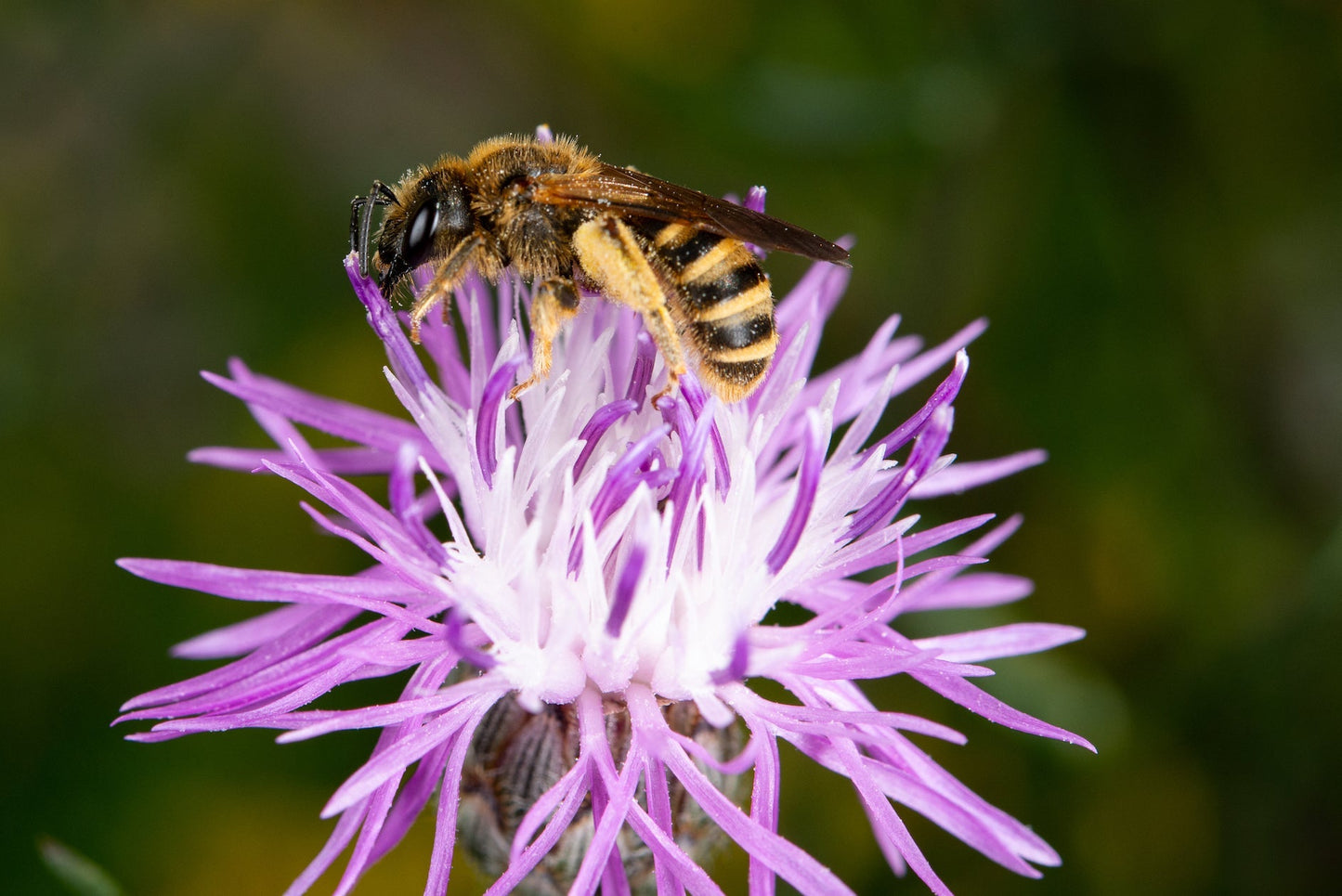
Why are wild bees important for our biodiversity?
Without wild bees, biodiversity lacks a foundation.Over 80% of our wild plants depend on pollination – many of them on specialized wild bee species. In a world with shrinking biodiversity, wild bees make an invisible but indispensable contribution to the stability of our ecosystems.
Here you can find out why they are so important for biodiversity – and how you can contribute to preserving this diversity yourself.
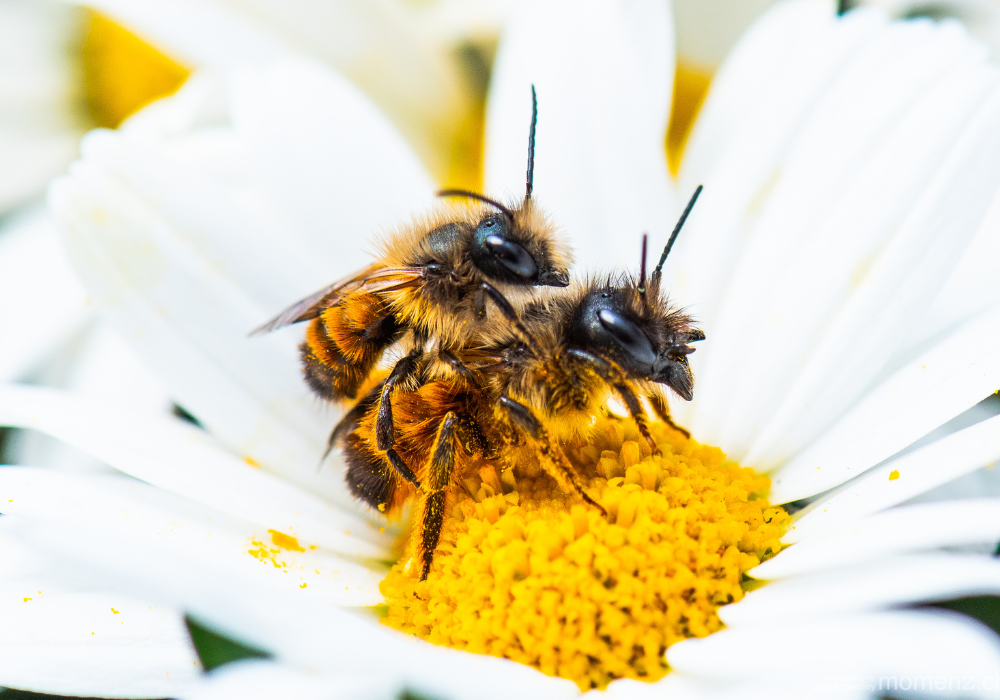
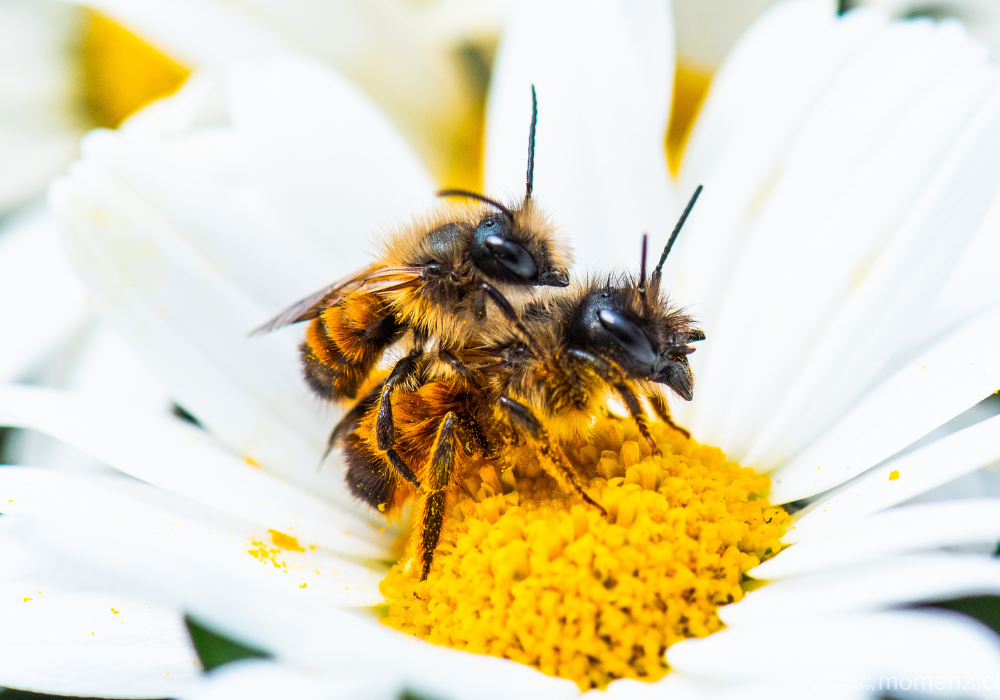
Life Cycle of Mason Bees: From Hatching to Hibernation
Just as diverse as wild bees are their lifestyles and life cycles. On this page, we introduce you to the life cycle of the Red Mason Bee (Osmia bicornis) and the European Orchard Bee (Osmia cornuta). The flight period for the Red Mason Bee is between March and June, depending on the respective weather conditions. The early-flying European Orchard Bee emerges even before the Red Mason Bee.
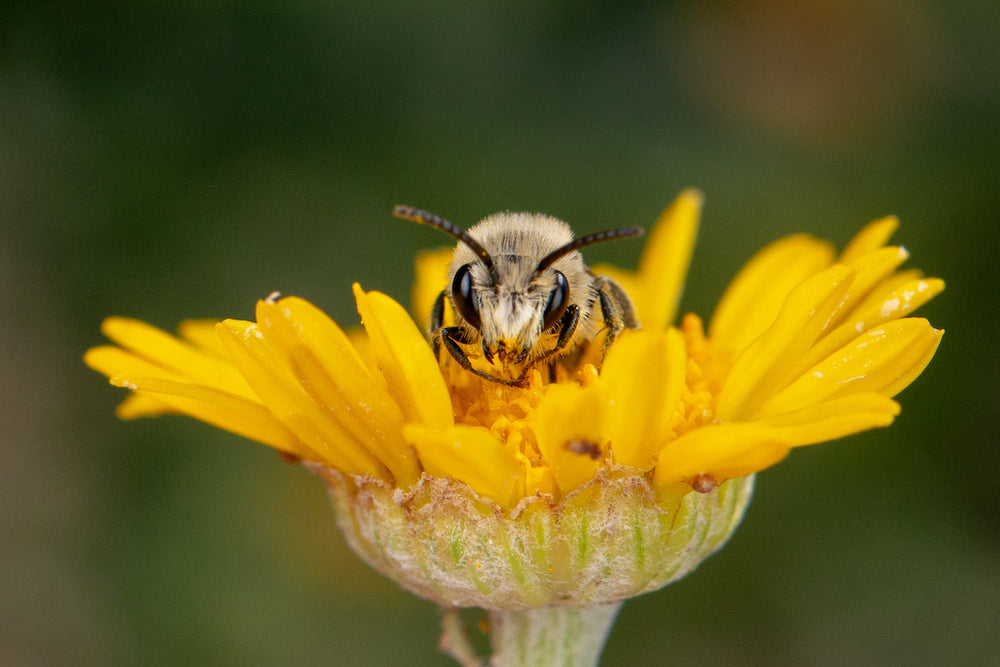
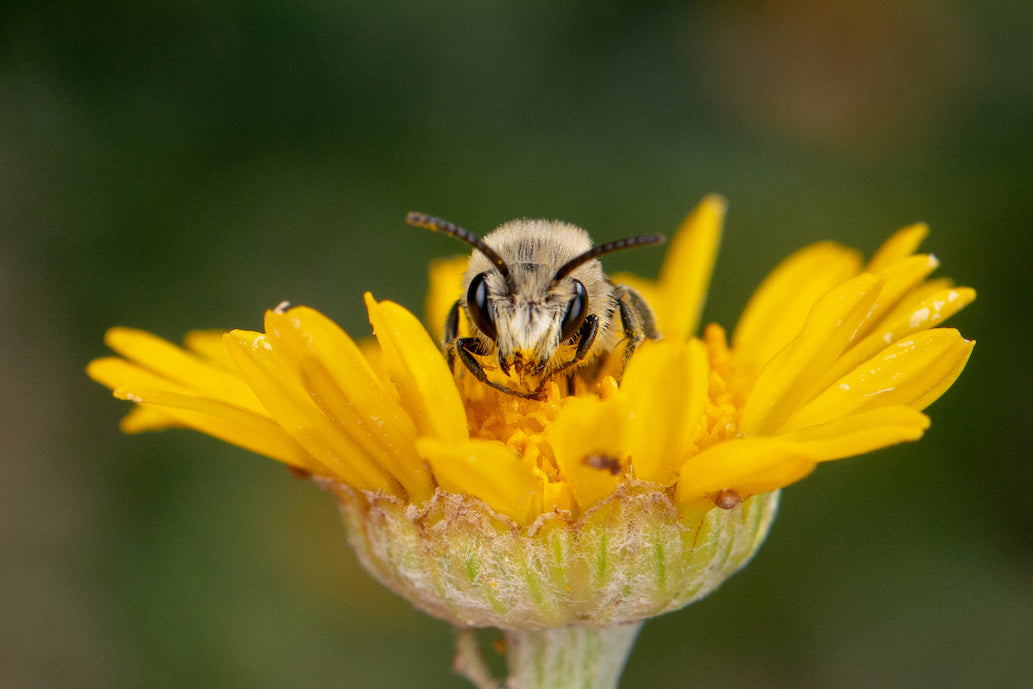
The Wonder of Pollination and the Crucial Role of Wild Bees
Pollination mechanisms are essential for plant reproduction and thus a guarantee for securing our food supply. For insects like wild bees, this is a trade-off. Plants attract with showy flowers and offer nectar and pollen as food. In return, insects act as pollen carriers: while collecting nectar, pollen adheres to their bodies and is thus transported to the next flower.
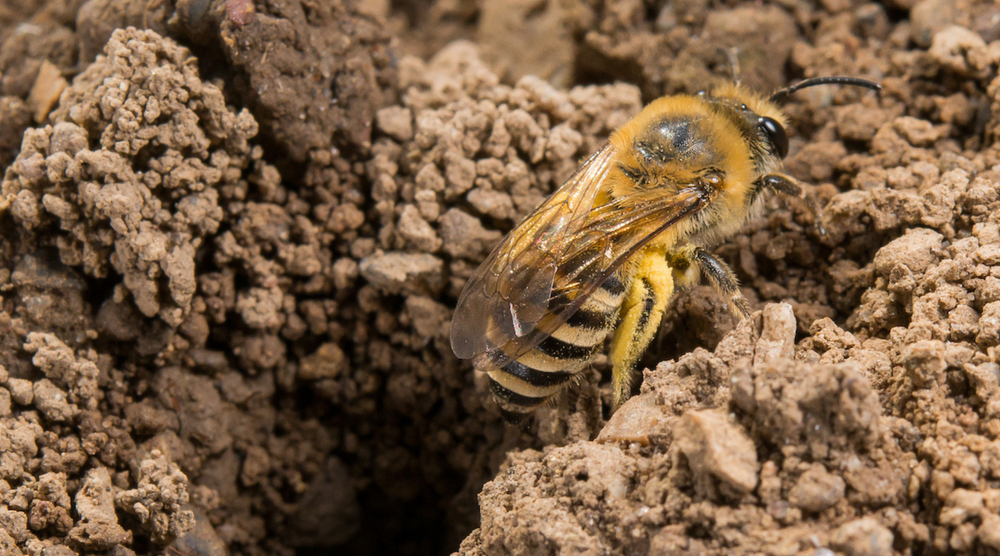
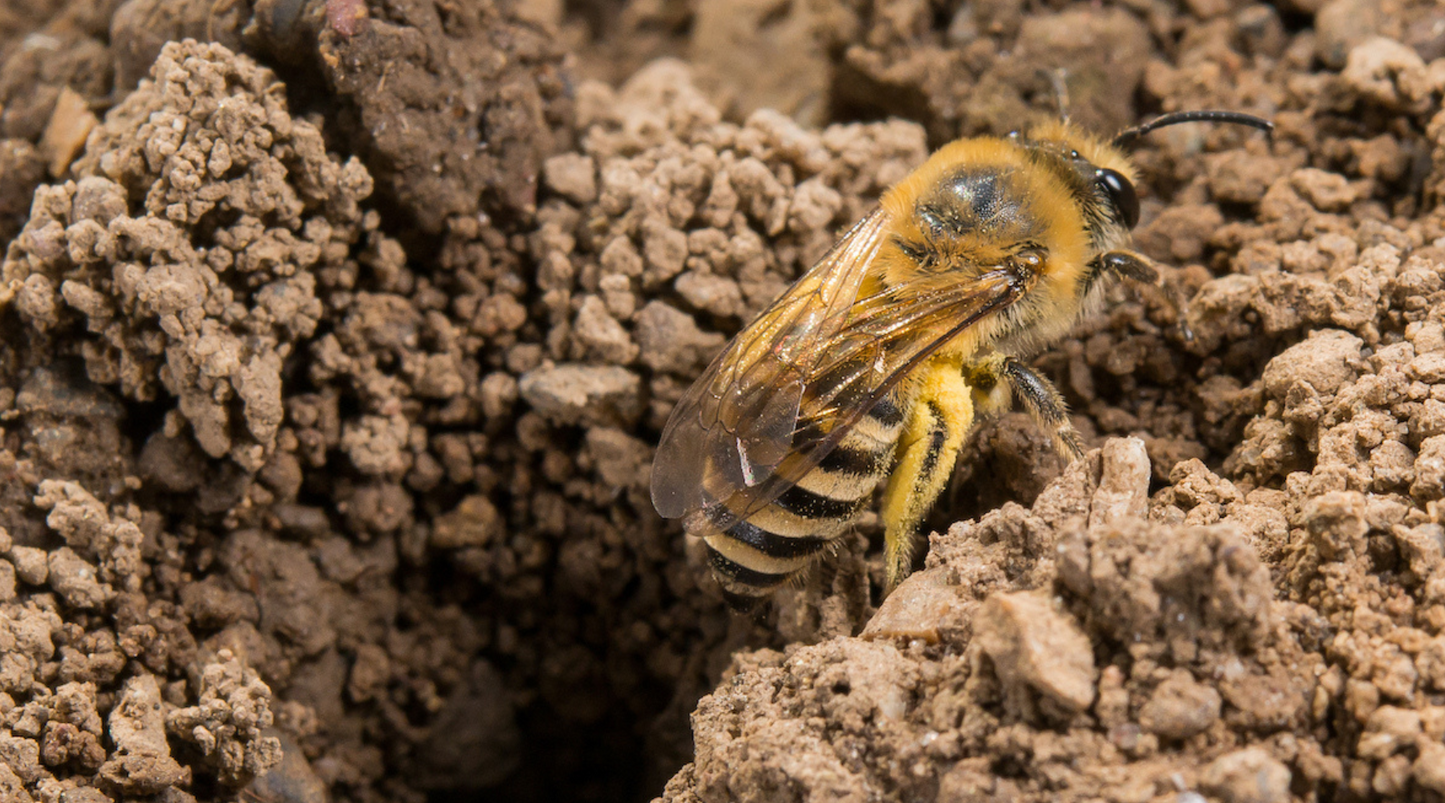
Creating nesting sites for ground-nesting wild bees
Around three-quarters of our native, nest-building wild bee species use the ground as a nesting site and require specific conditions for this. Learn how you can protect these wild bee species.
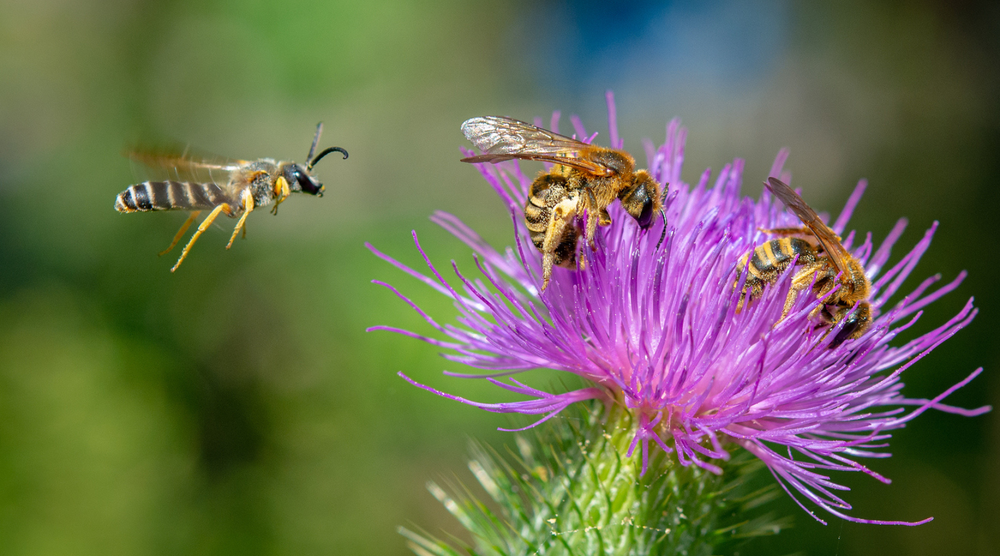
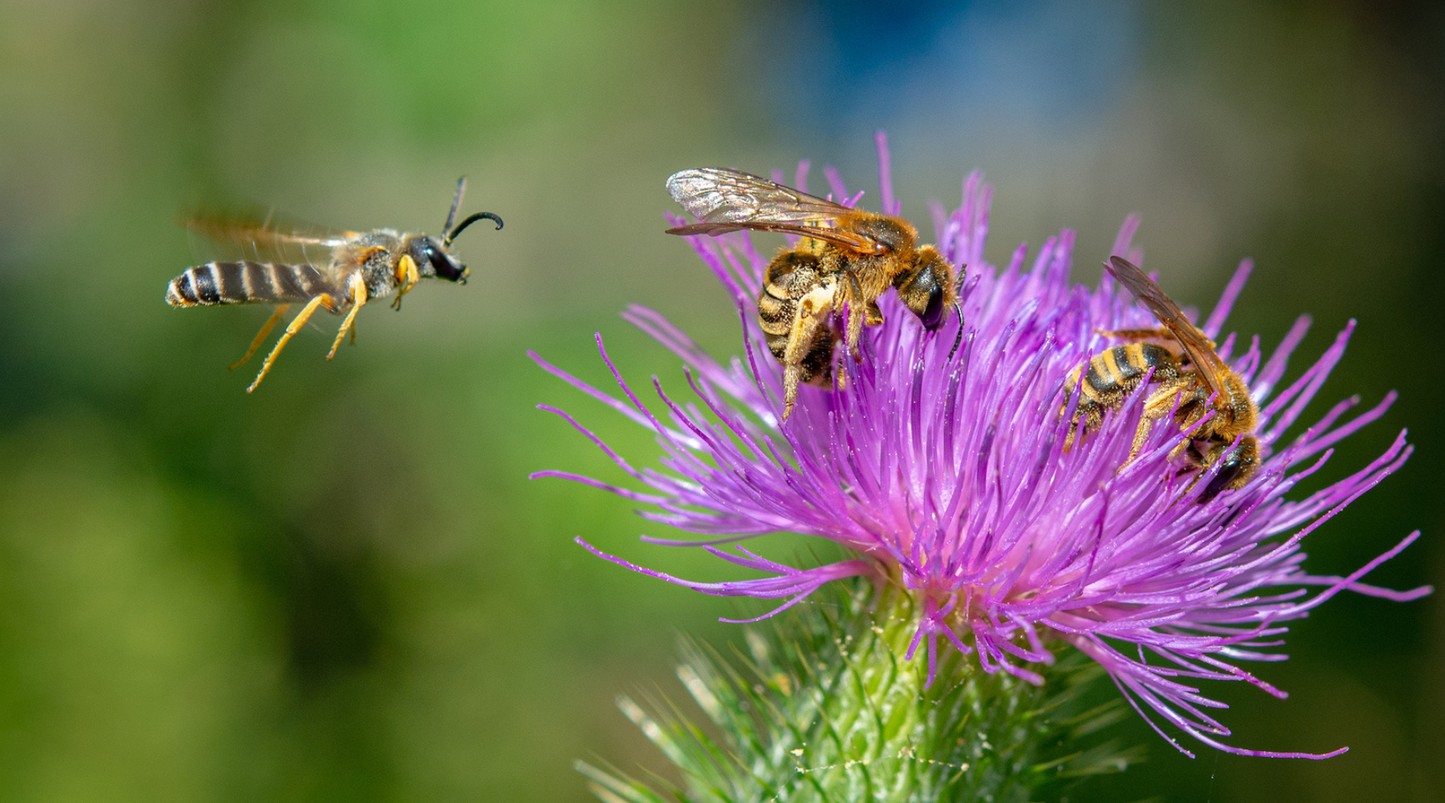
Bee-Friendly Plants for Your Balcony and Garden
Native plants such as wildflowers, perennials, shrubs, and trees are an important basis of life for wild bees. On this page, you will find tips on how to create wildflower meadows and beds, as well as how to plant and care for shrubs, hedges, and trees.
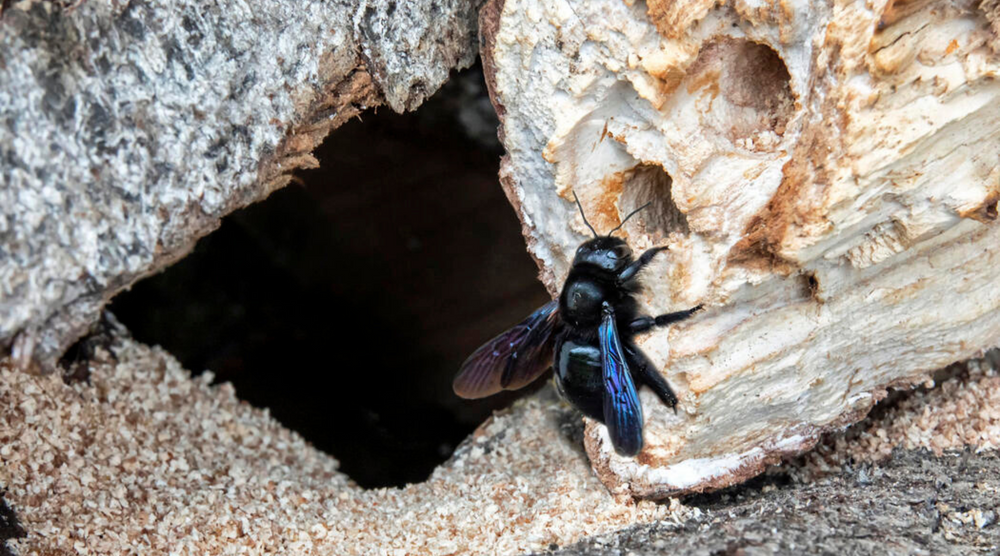
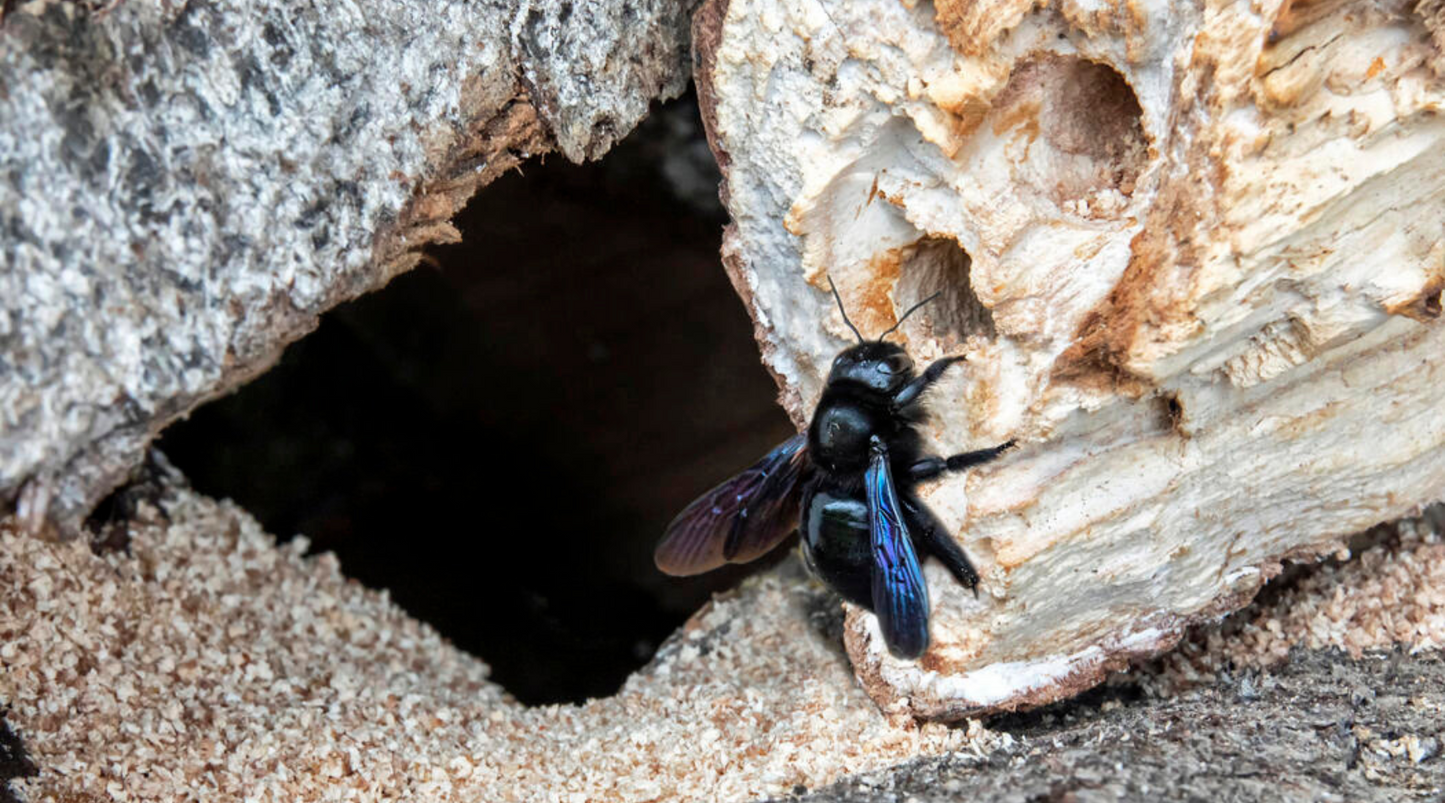
Creating nesting sites for cavity nesters & other species
Within the fascinating world of wild bees, cavity-nesting bees form a significant group, accounting for about twenty percent of native wild bees. Learn how you can protect this type of wild bee.
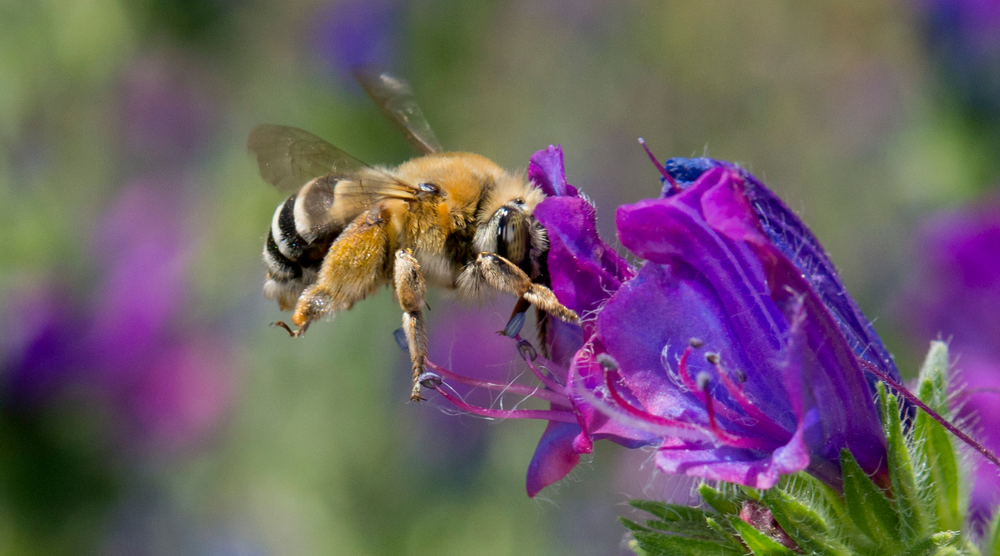
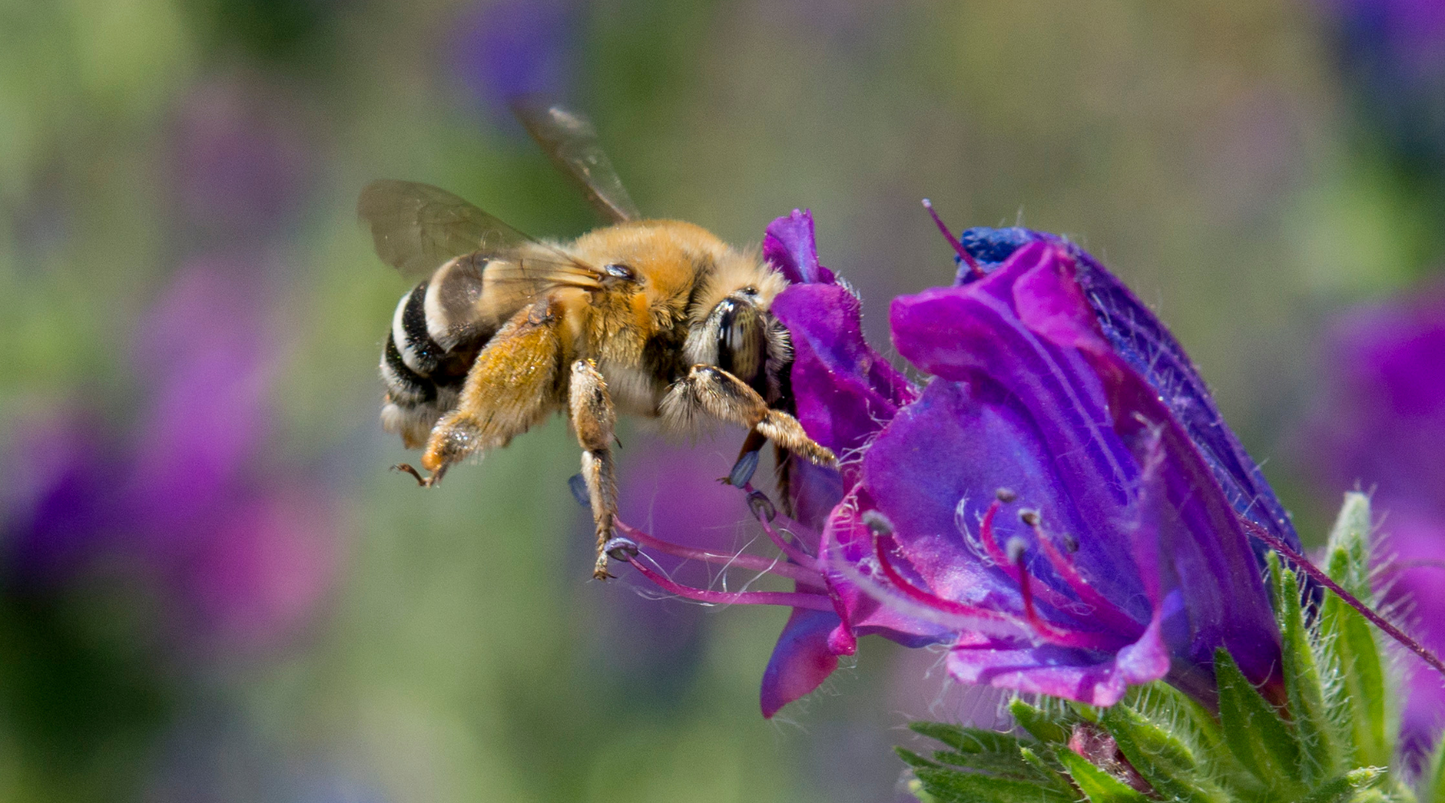
This is how you can help combat bee mortality
Wild bees play an important role in our natural world, as they are crucial pollinators for plant reproduction and the production of fruits and vegetables. Unfortunately, their numbers are declining in many parts of the world, a phenomenon known as "wild bee mortality."

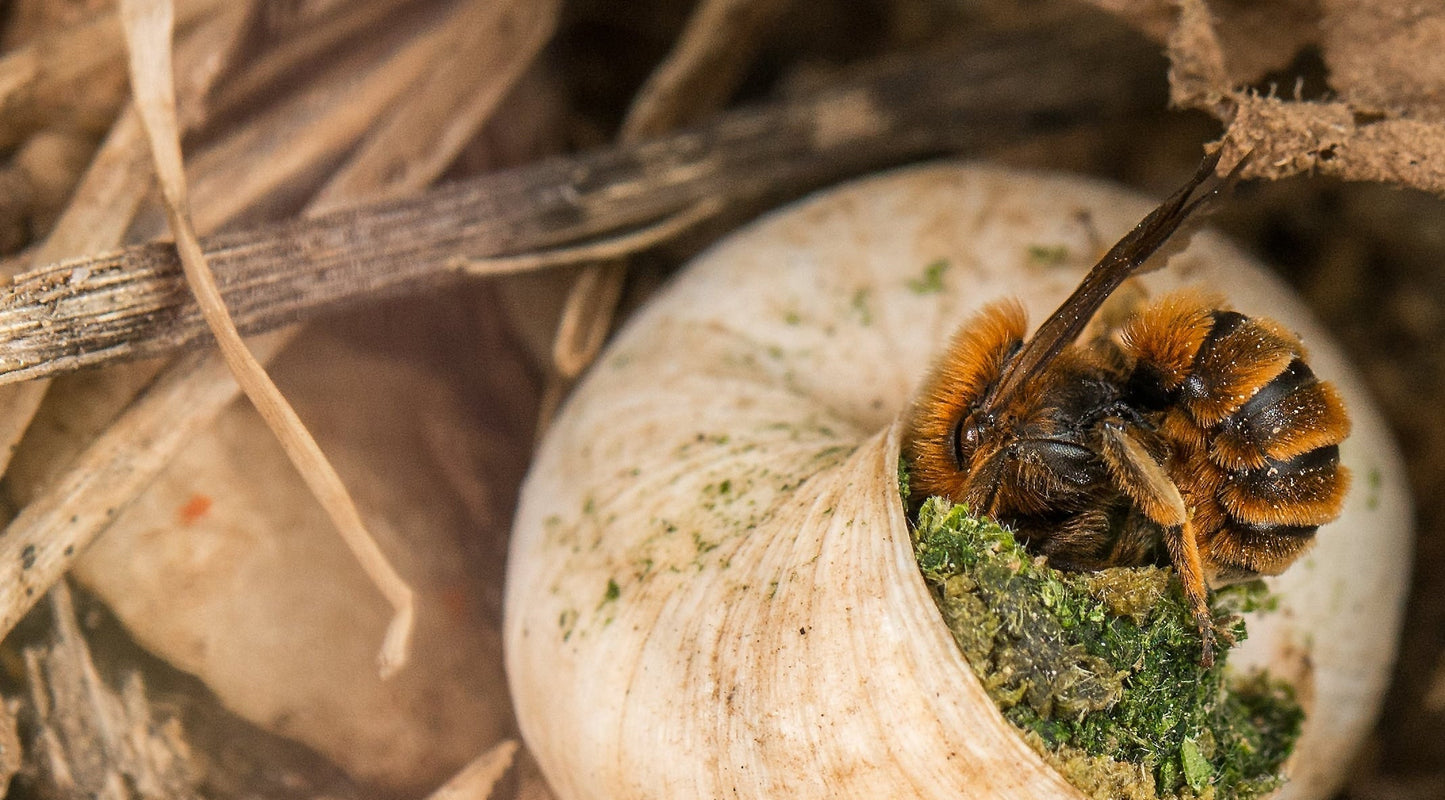
Insect-Friendly Autumn: How to Prepare Your Garden Optimally
Insect-Friendly Autumn: How to Help Wild Bees Now with Food, Nesting Sites & Retreats. Sustainable & easy to implement. Get your garden and balcony autumn-ready!
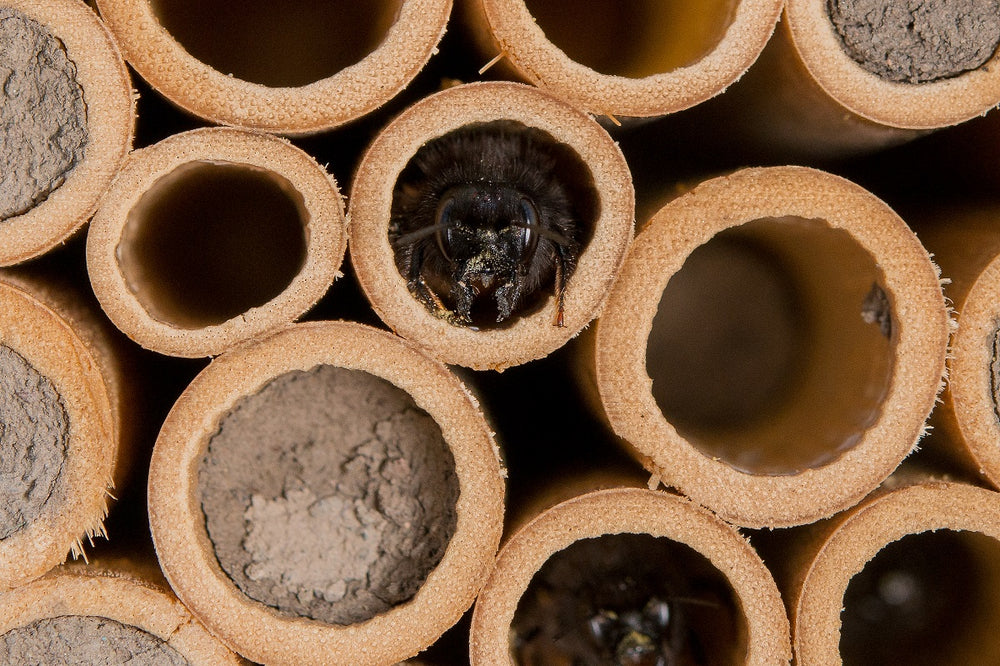
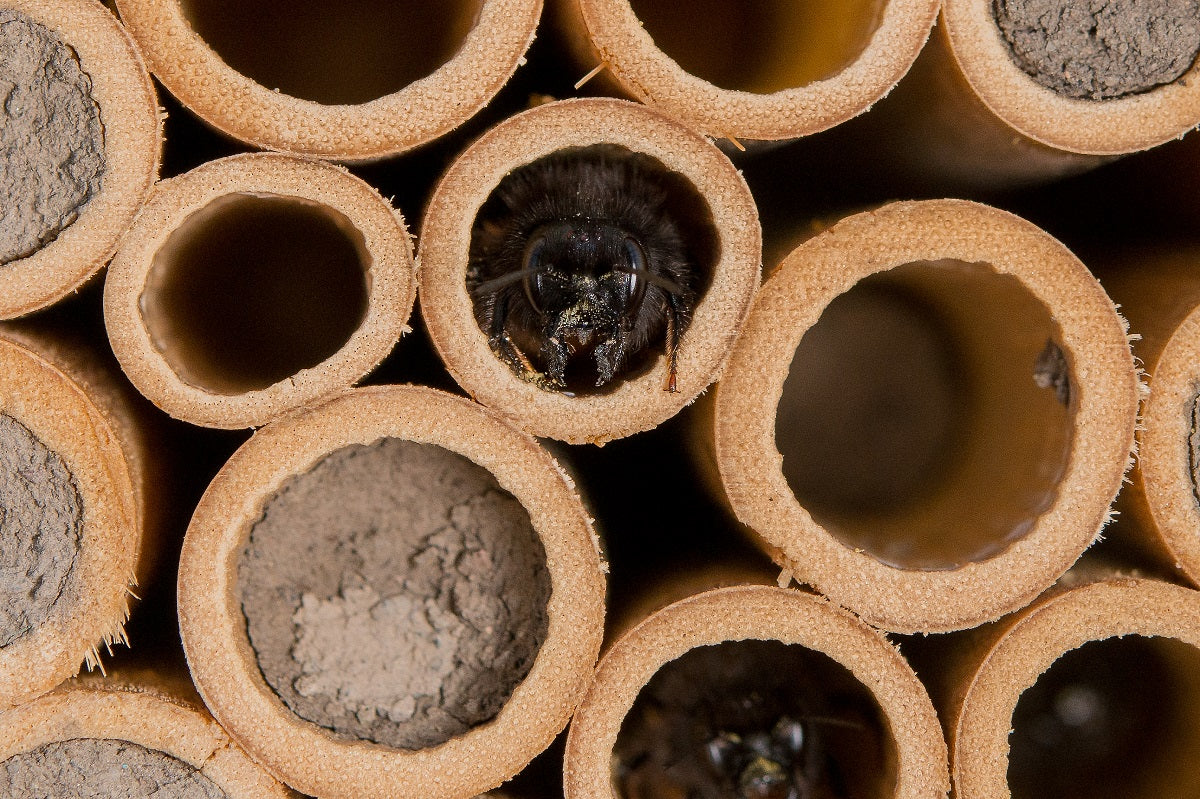
Who wakes the mason bees, anyway?
In the lives of young wild bees, everything goes according to plan: they hatch from their eggs in spring, eat their food supply, spin a cocoon, and finally enter winter dormancy from autumn onwards – and all mason bees of a species do this almost simultaneously. But how do wild bees in their dark chambers know that it's time for the next stage of life?

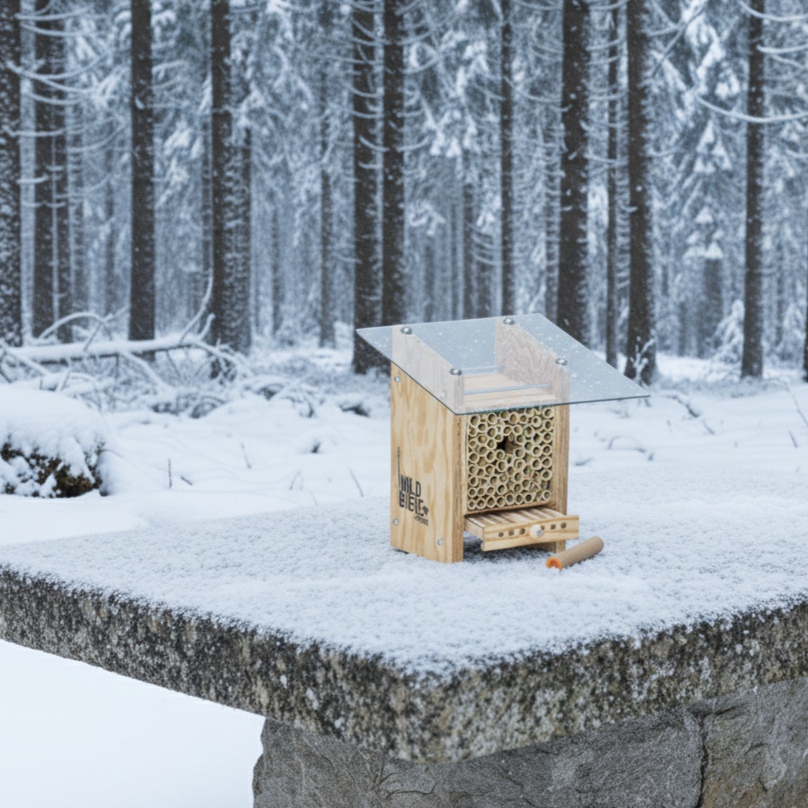
How do wild bees overwinter? 5 interesting facts about hibernation
When it's freezing and snowing outside, many people wonder if their wild bees will survive the cold winter well. But don't worry: like many other creatures, wild bees have found excellent tricks to start spring unscathed.
Recent articles