

Promoting wild bees
Creating nesting sites for ground-nesting wild bees
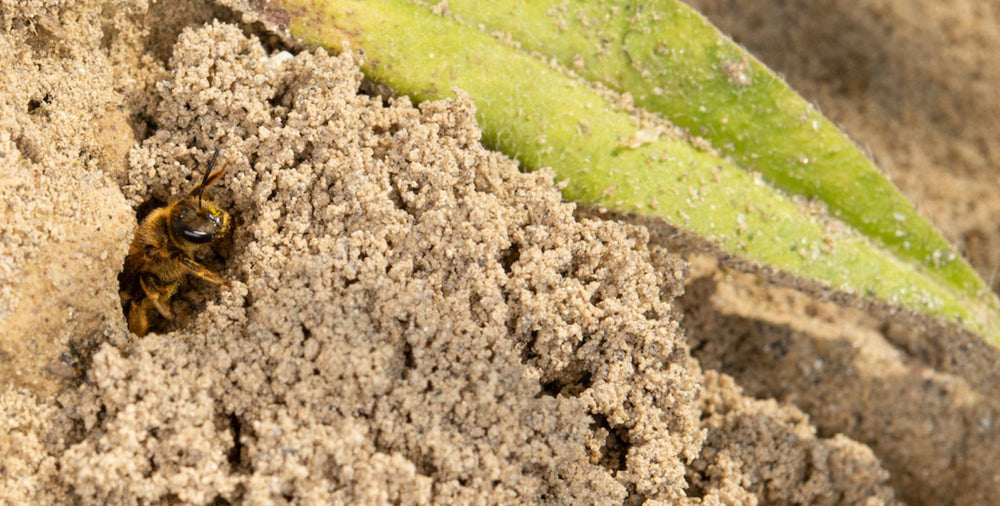
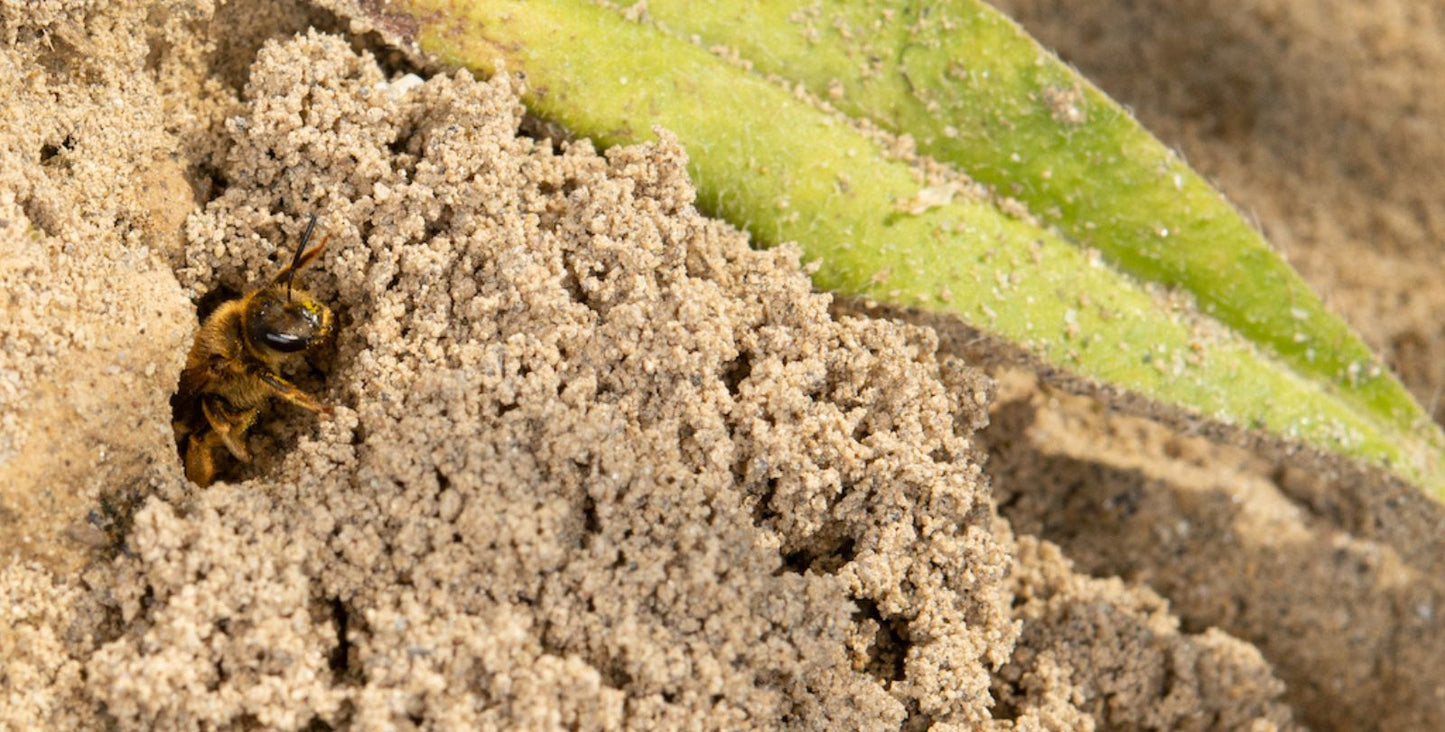
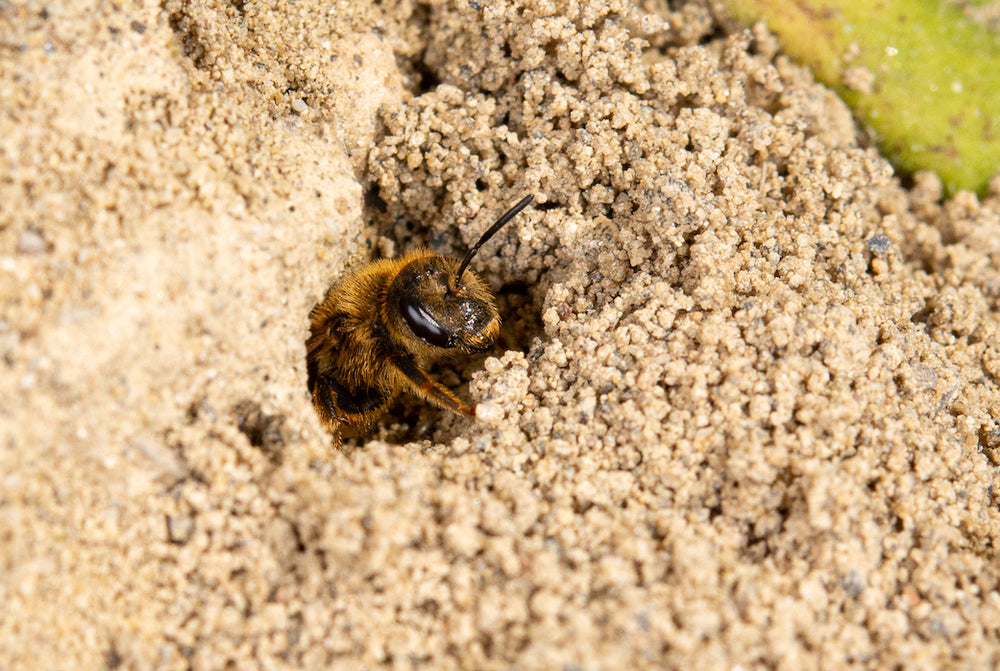
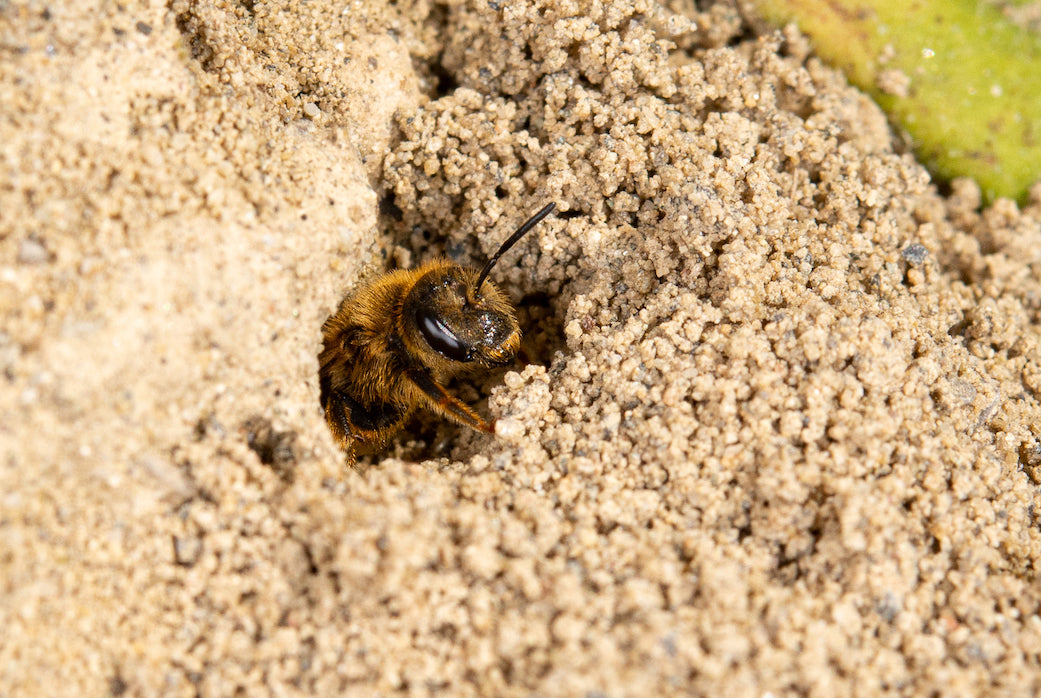
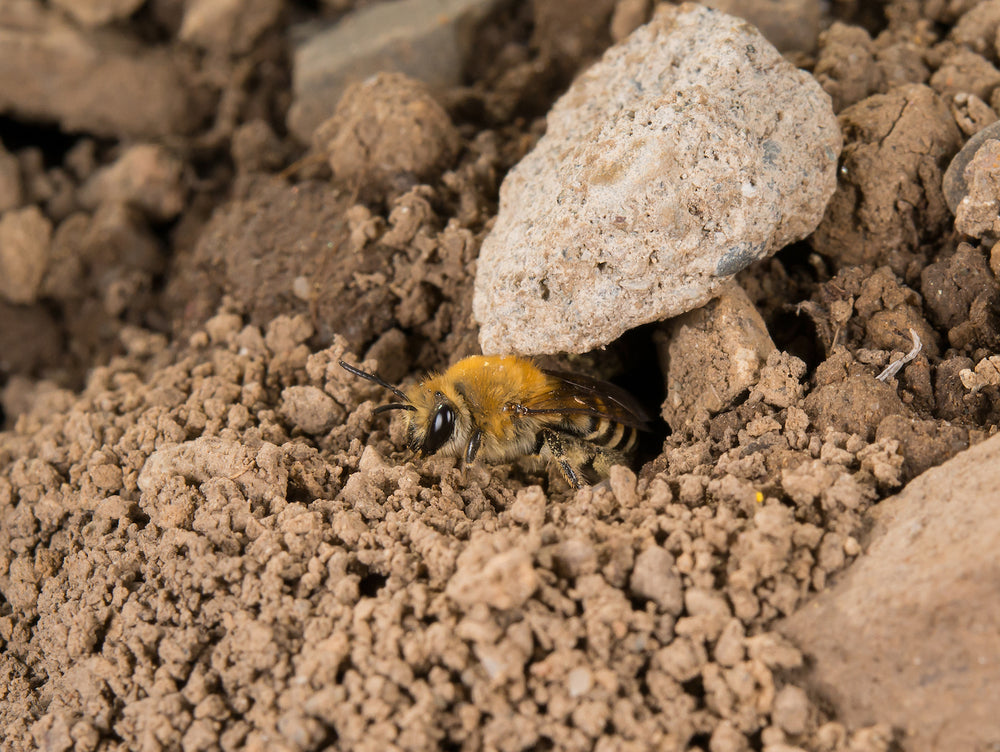
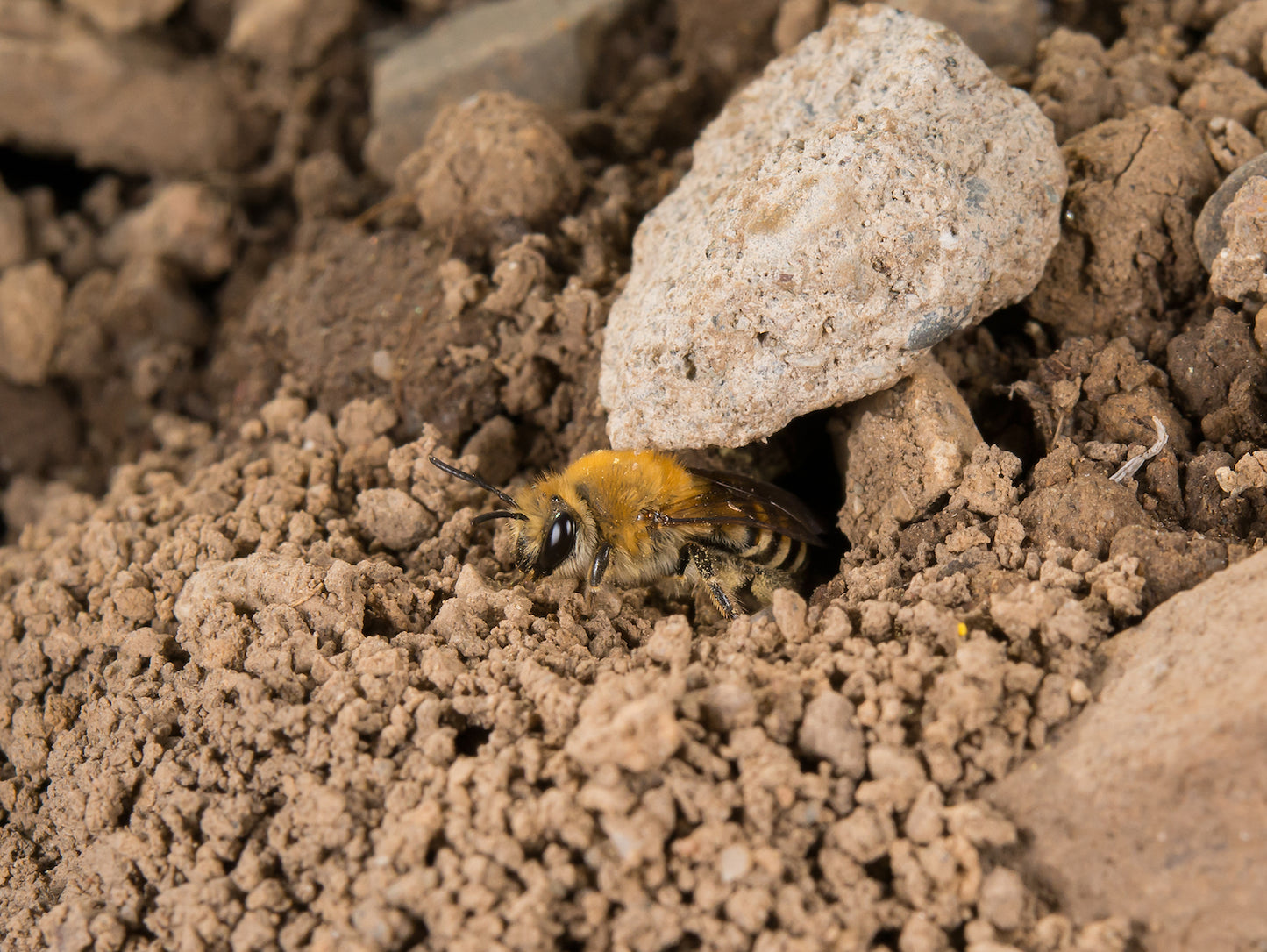
About three-quarters of our native, nest-building wild bee species use the ground as a nesting site and require specific conditions for this. Since many endangered wild bee species belong to this group, it is of great importance to promote their habitats. On this page, we explain how you can create a sand lens and contribute with natural erosion edges.
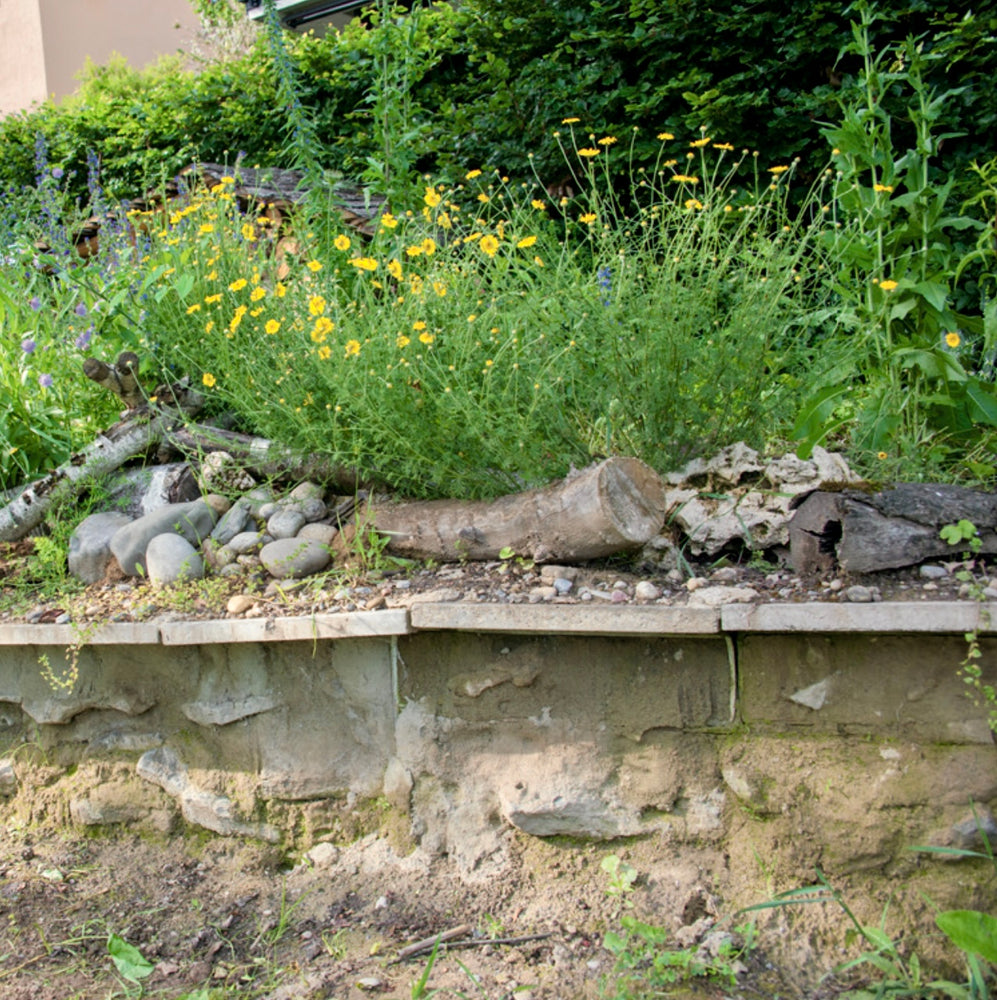
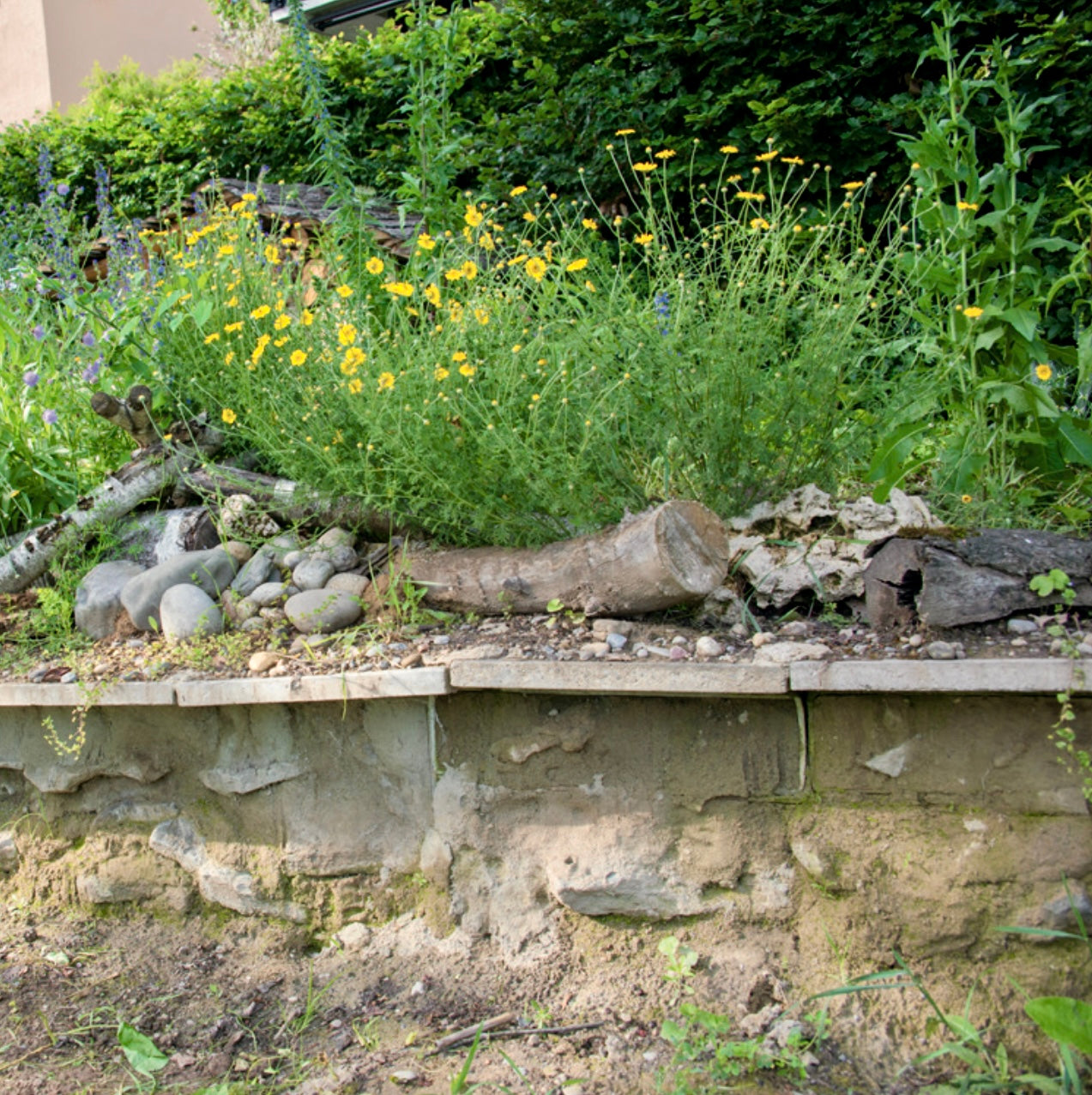
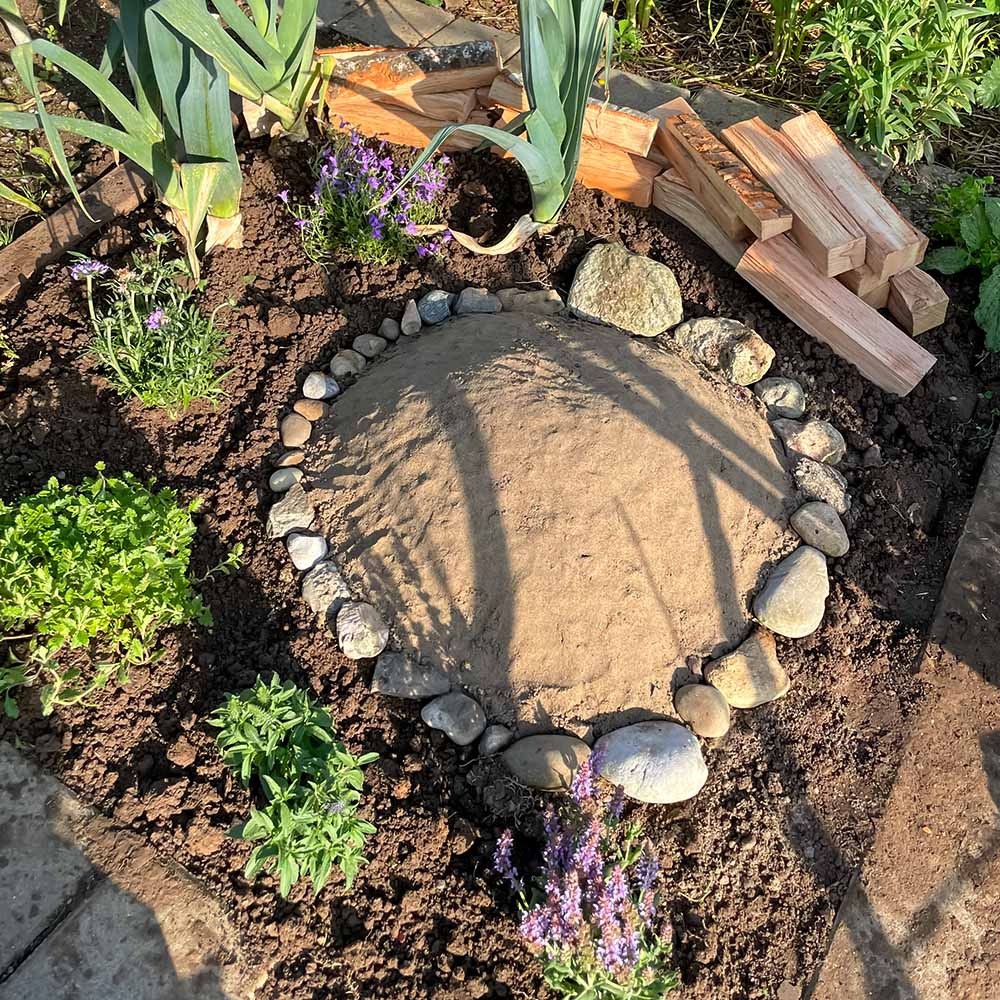
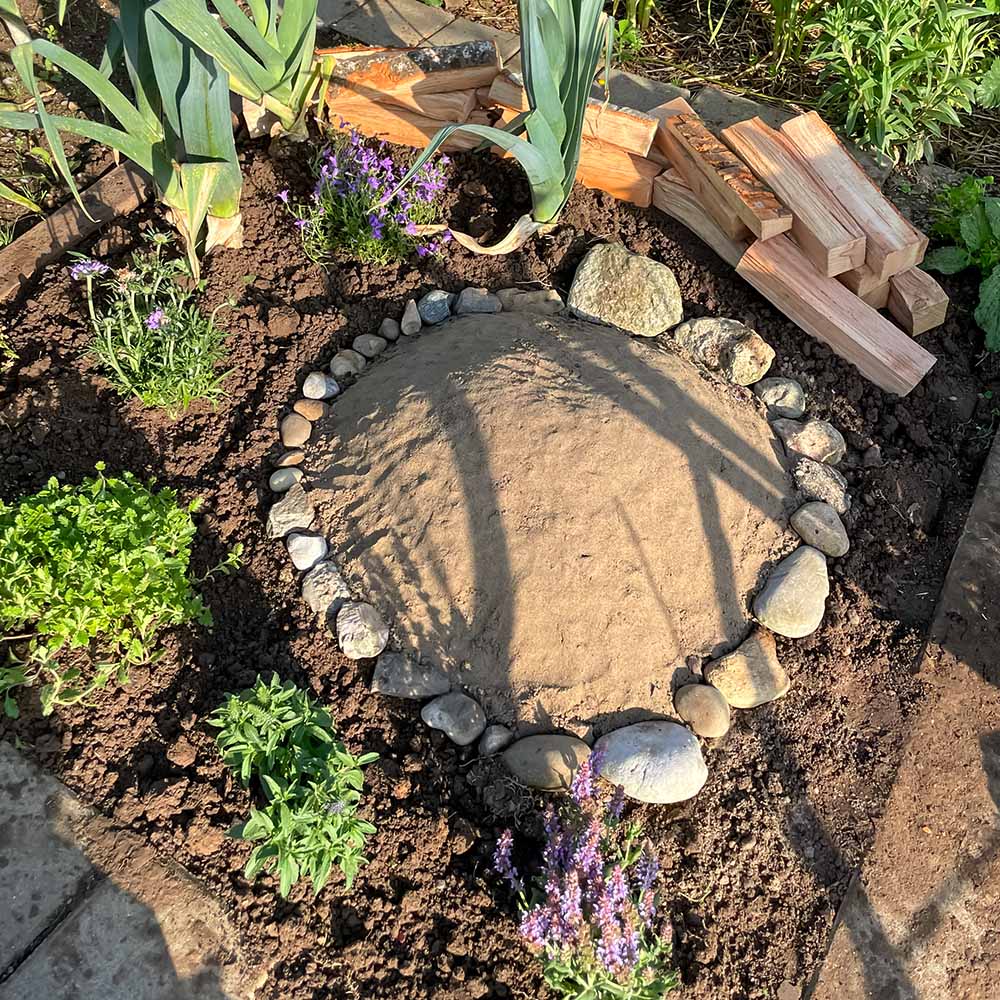
Building sand mounds or surfaces
Location:
A sunny and dry spot – whether in the garden, on the patio, or the balcony. This is because bee sand can also be used excellently in pots, thus helping even in smaller spaces. However, an area of at least 2–3 m2 (50–100 cm high) is recommended. Less frequented areas are particularly suitable, as the sandy area should not be stepped on. Ruderal areas are ideal.
Material:
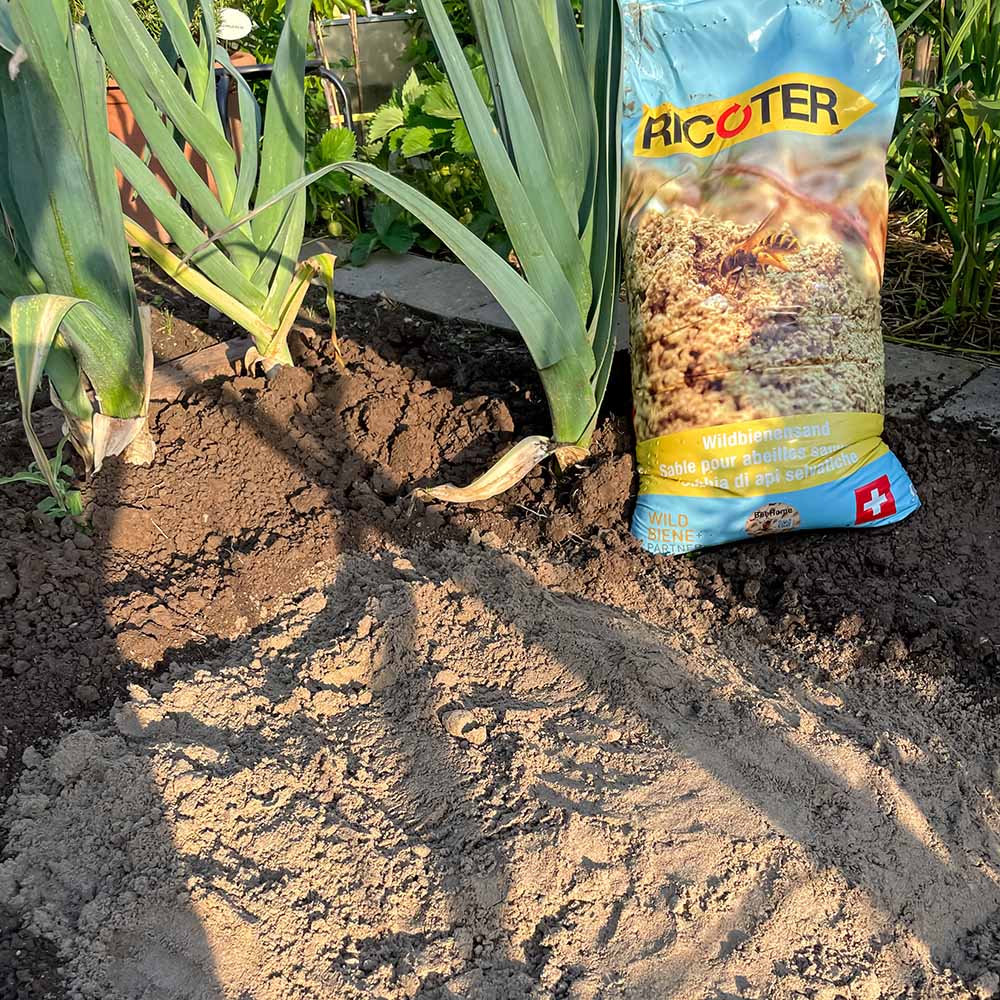
We recommend unwashed sand with a slight clay content. Yannick will show you in our explanatory video how to recognize the right sand. Even better: In cooperation with Ricoter Schweizer Erde, we have developed a special wild bee sand that optimally meets the requirements of ground-nesting bees. The sand is available online here. Washed gravel or "play sand" available in hardware stores are not suitable as nesting substrates.
Creation & Care:
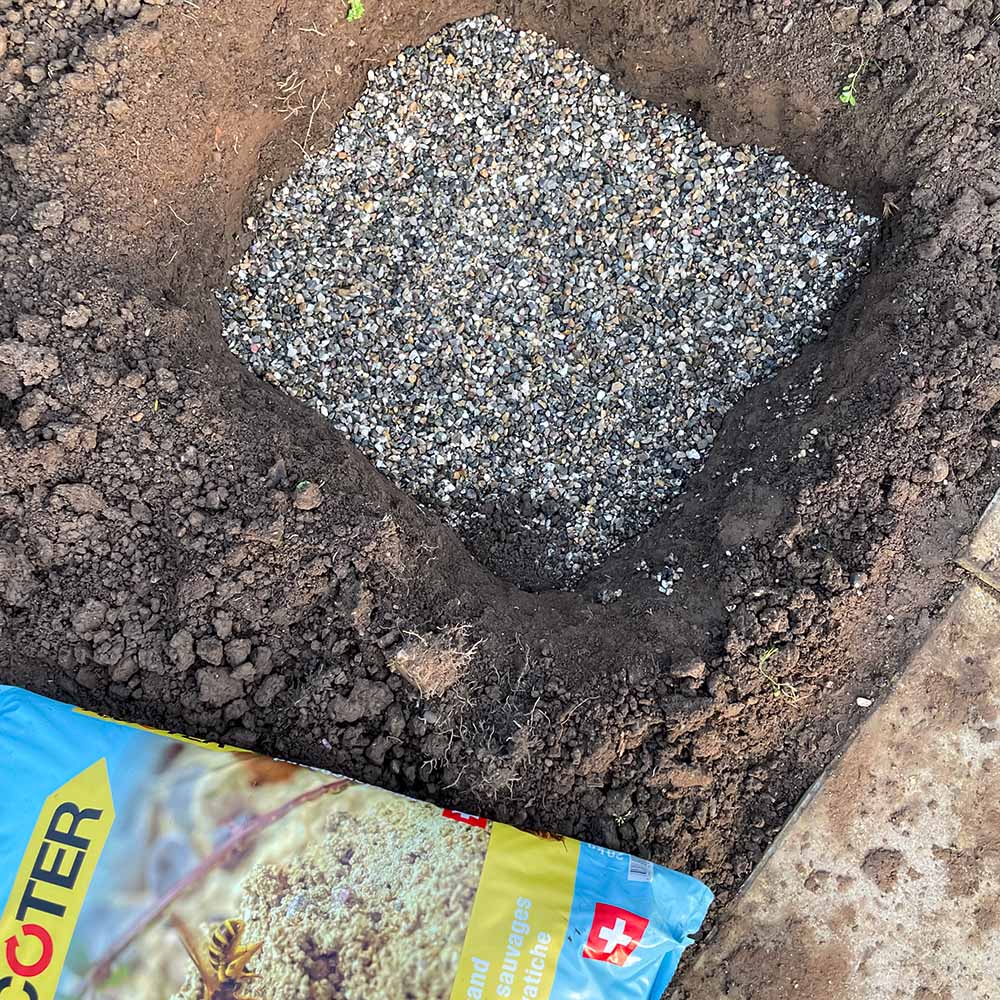
Creating a sand lens involves very little effort. You can build up areas or mounds and compact the sand well. Depending on the conditions, you can create drainage beforehand. You can find the instructions further down on this page. Additionally, individual larger stones can be placed on your sand lens.
You can clear the mounds of overgrown vegetation every three years or alternatively build new mounds. Do not use herbicides. Minimal maintenance is useful but not absolutely necessary.


Partnership with RICOTER
Wild Bee Sand for Insect-Friendly Gardens
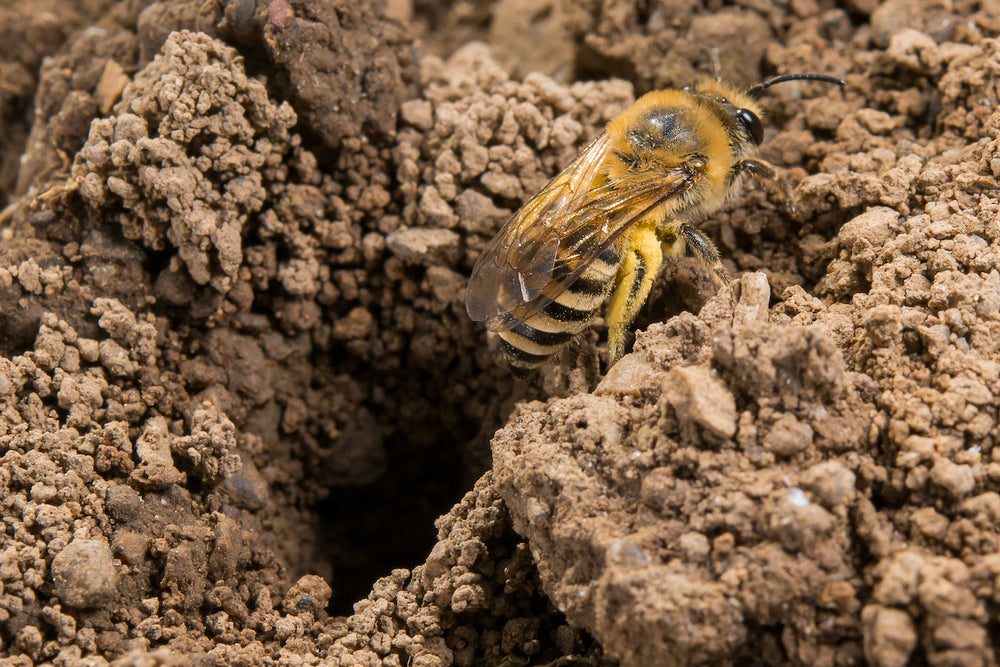
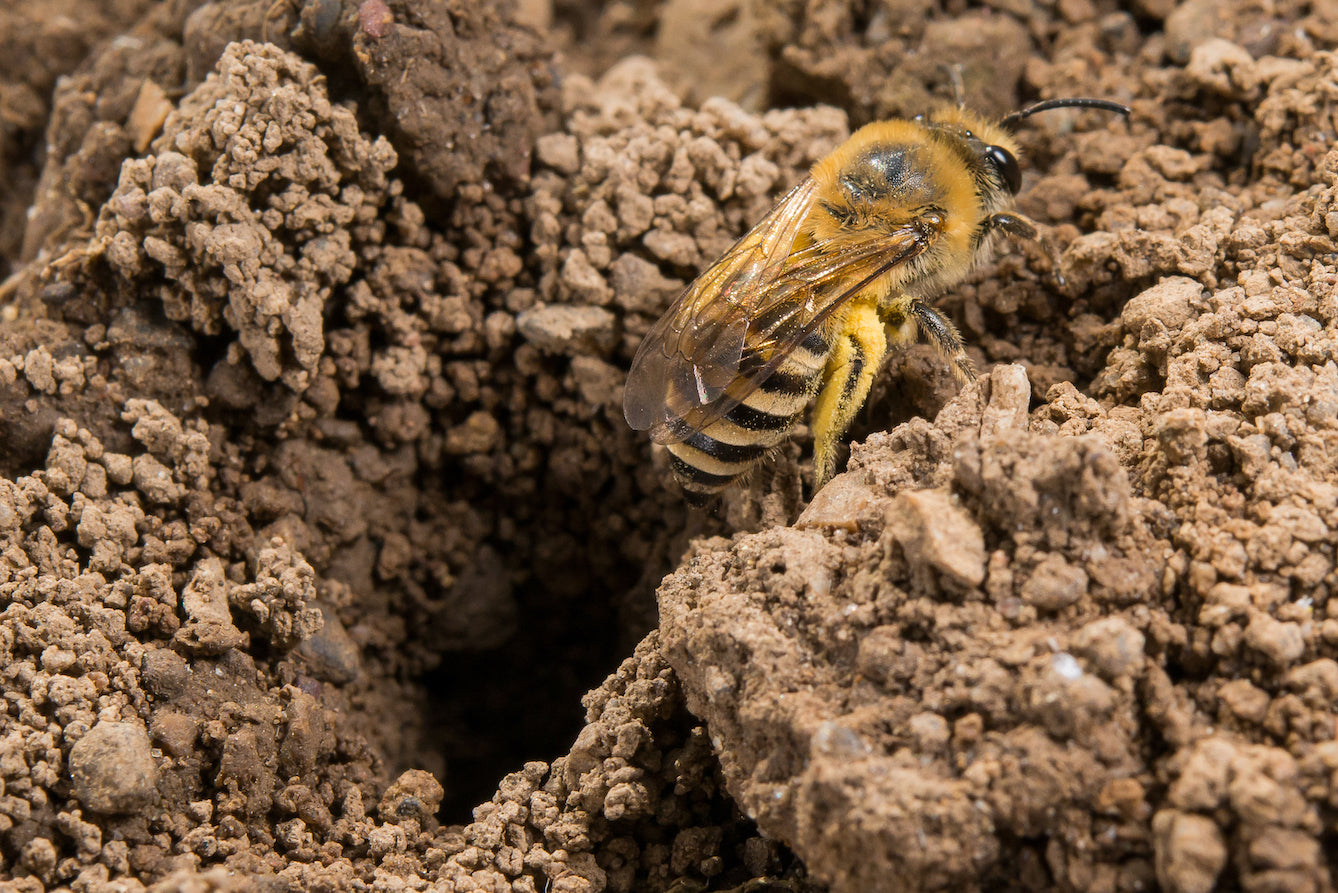
Since 2022, RICOTER has offered a special wild bee sand in its product range, developed in collaboration with us to promote wild bee species that use the soil as a nesting site and require specific conditions for this purpose.
We spoke with Manuela Müller, Product Manager at RICOTER, about the collaboration between Wildbiene+Partner and RICOTER.
Wild Bee Sand for Supporting Ground-Nesting Species
Our wild bee whisperer Yannick helped develop the wild bee sand. In this video, he explains what's important when creating a sandy area for ground-nesting species.
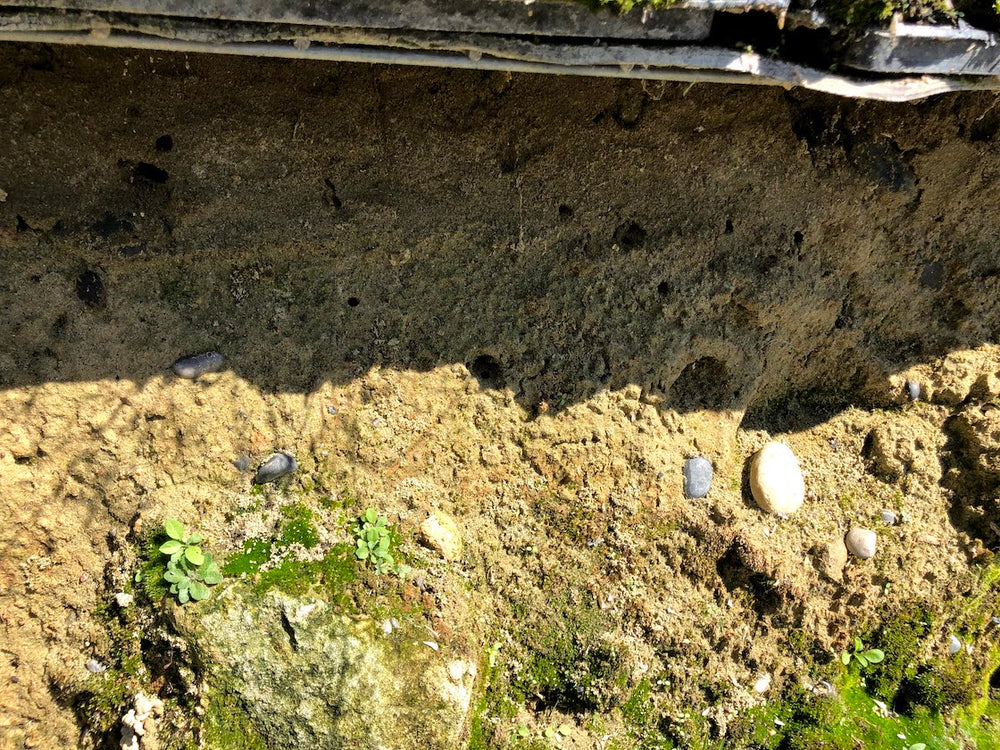
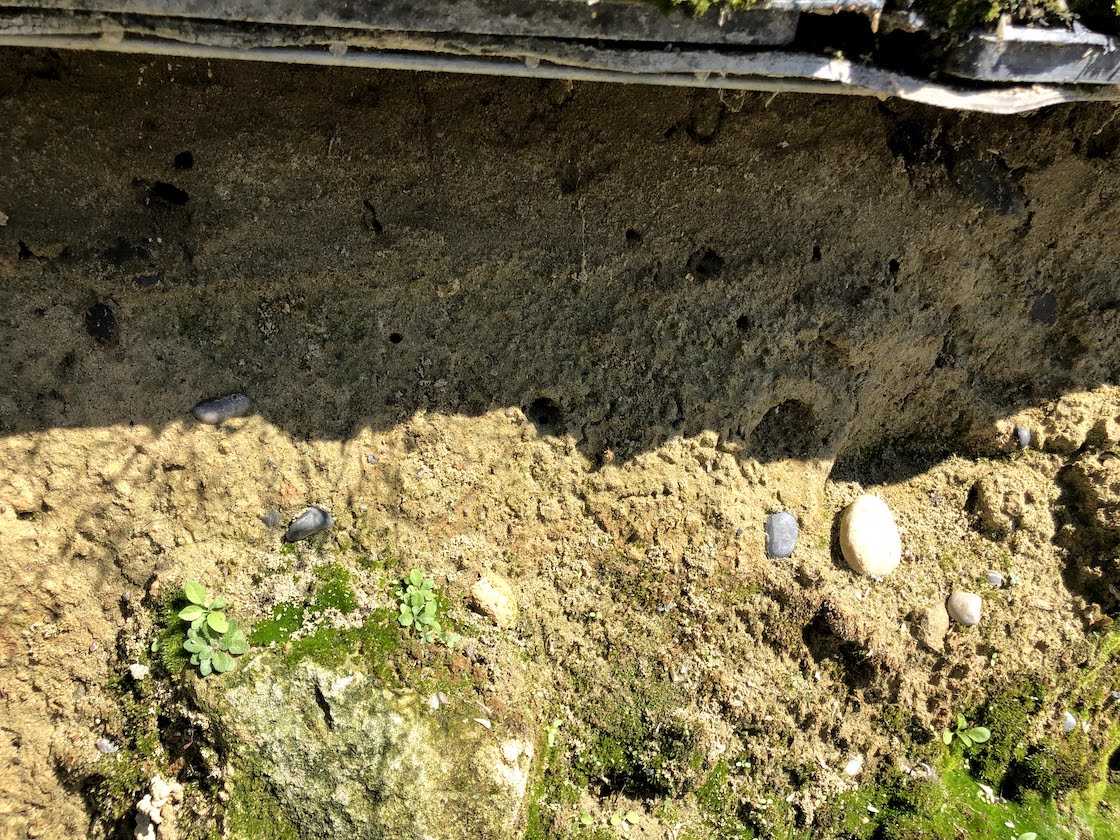
Create tear-off edges
Location:
Choose sunny embankments, especially those along roads and paths. Note that the scarps can be washed out by precipitation. Consider this risk when choosing a location.
Creation & Maintenance:
Remove vegetation from the appropriate areas and cut vertically with a shovel to create vertical scarps at least 30–50 cm high. In professional settings, an excavator or wheel loader can also be used. Particularly with the use of machinery, creating scarps is very easy to implement.
Minimal maintenance is useful but not absolutely necessary. If needed, you can clear the open ground of overgrown vegetation every three years. This is done by superficially scraping it away. Alternatively, you can create new scarps. Do not use herbicides.
Create a wild bee oasis
Create a wider variety of nesting opportunities, and soon even rare species will settle in your area. Design a part of your garden or balcony for wild bees and other insects and let the valuable pollinators bring it to life!