

Promoting wild bees
Creating nesting sites for cavity nesters & other species
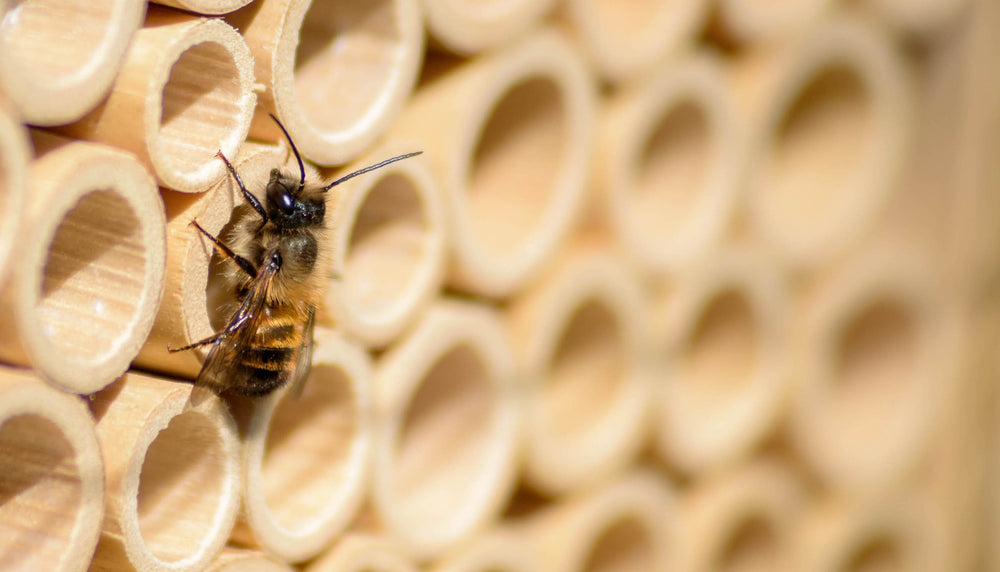
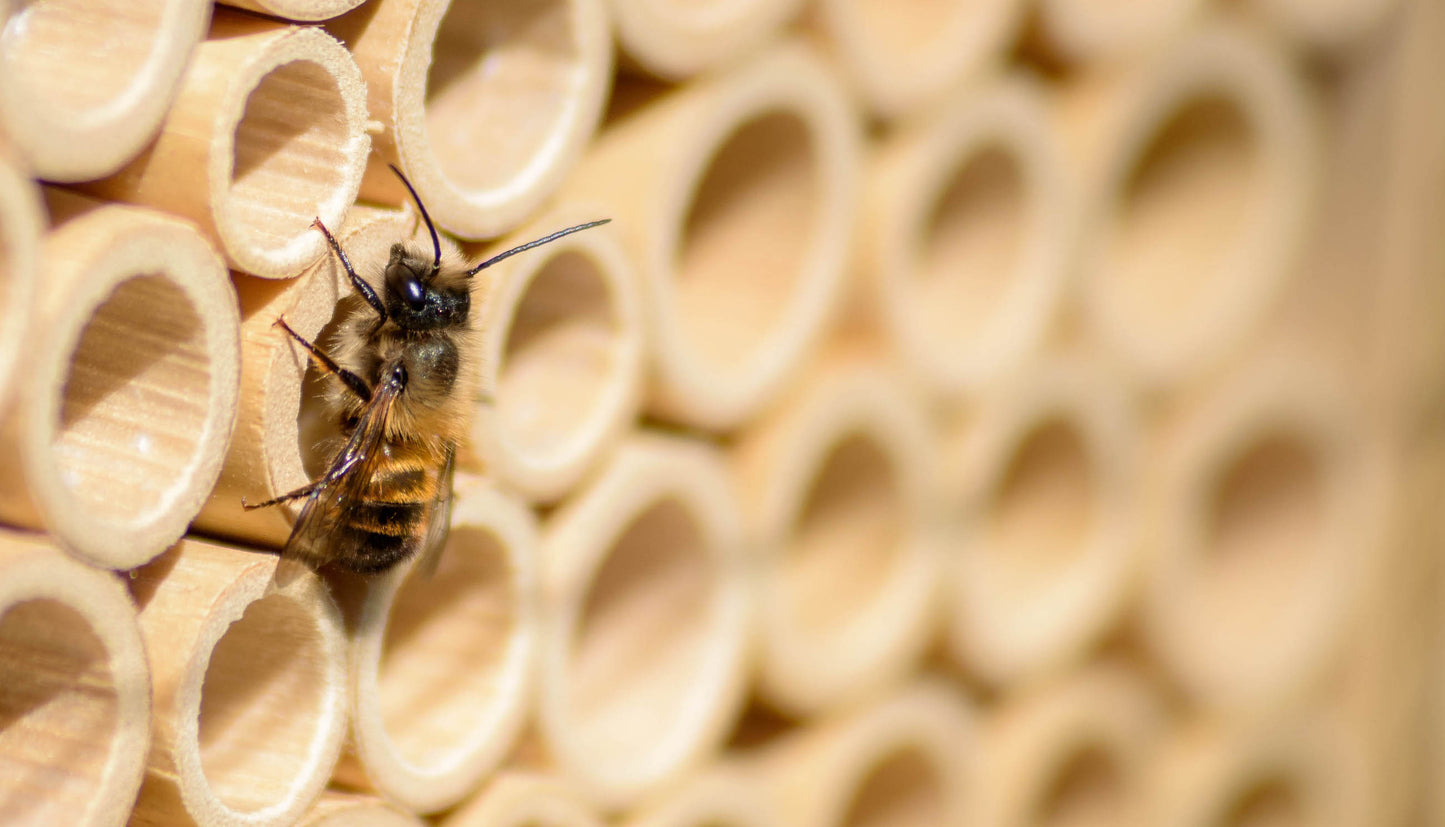
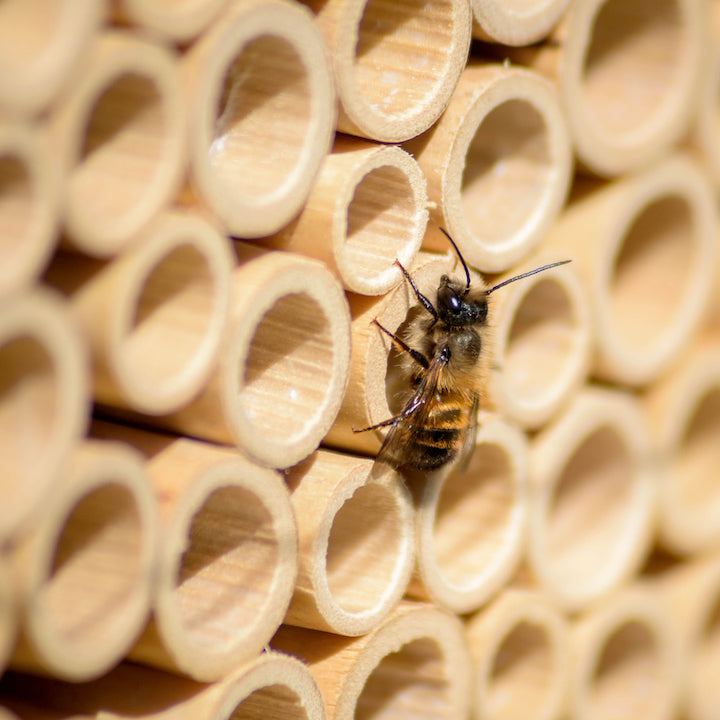
Within the fascinating world of wild bees, cavity-nesting bees form a significant group, accounting for about twenty percent of native wild bees. Unlike other species that are capable of drilling their own holes, cavity-nesting bees rely on existing passages. On this page, we explain how you can support specific wild bee species with deadwood, a BeeHome, pithy stems, and even snail shells.
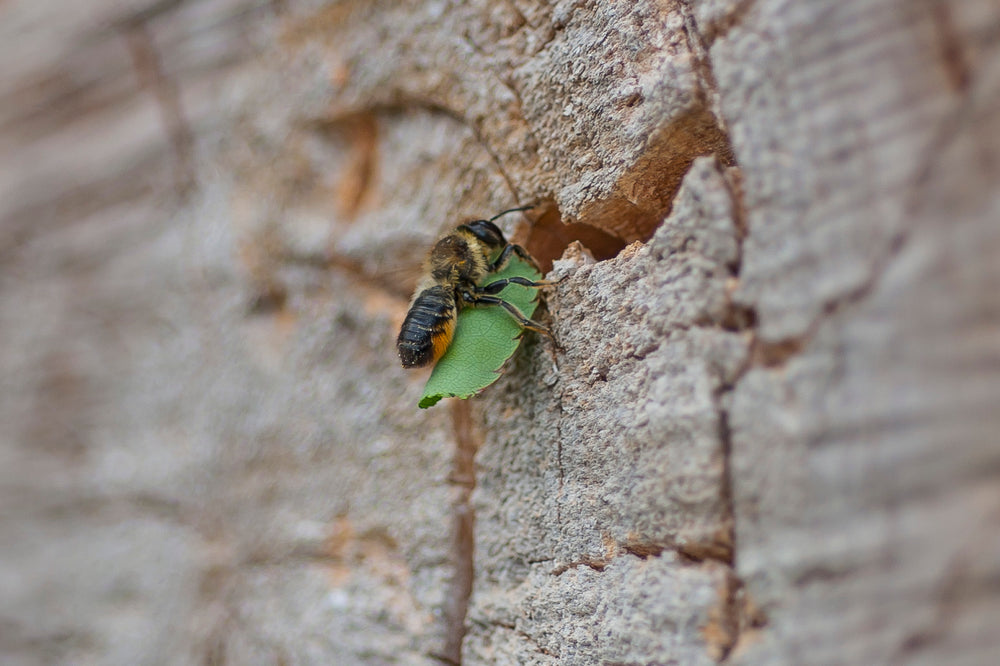
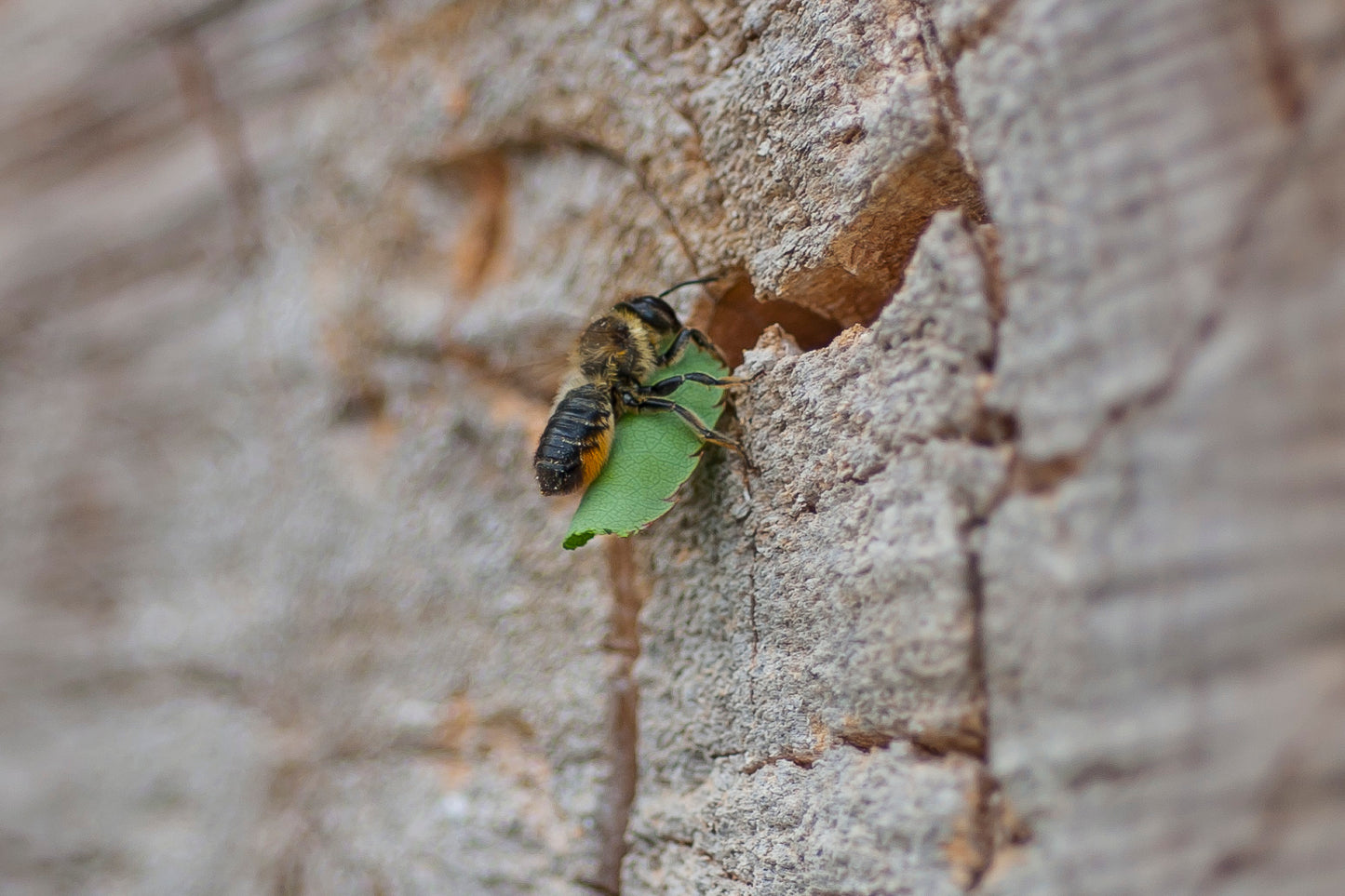
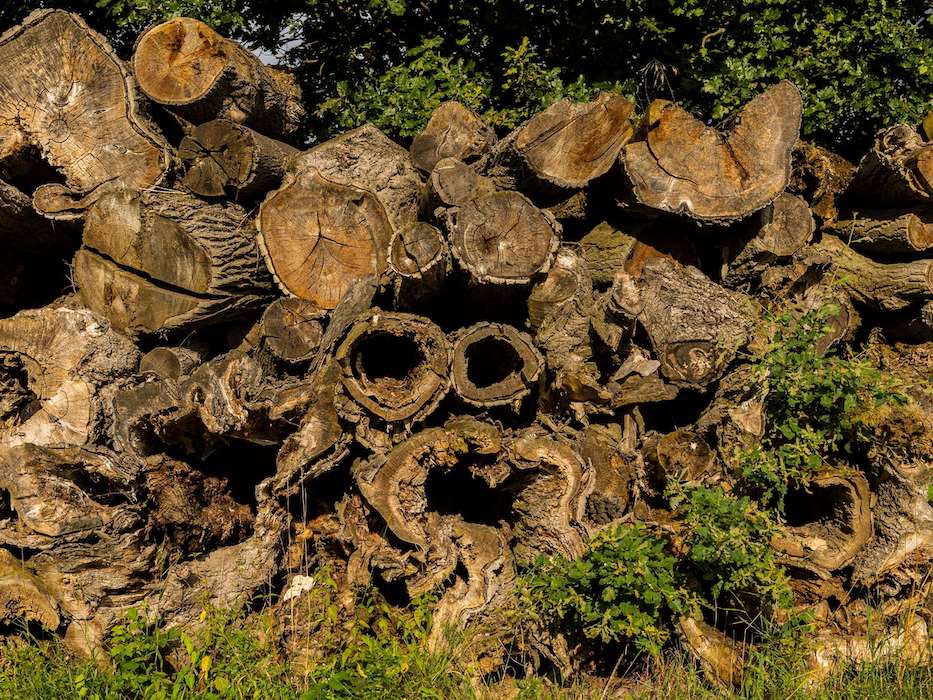
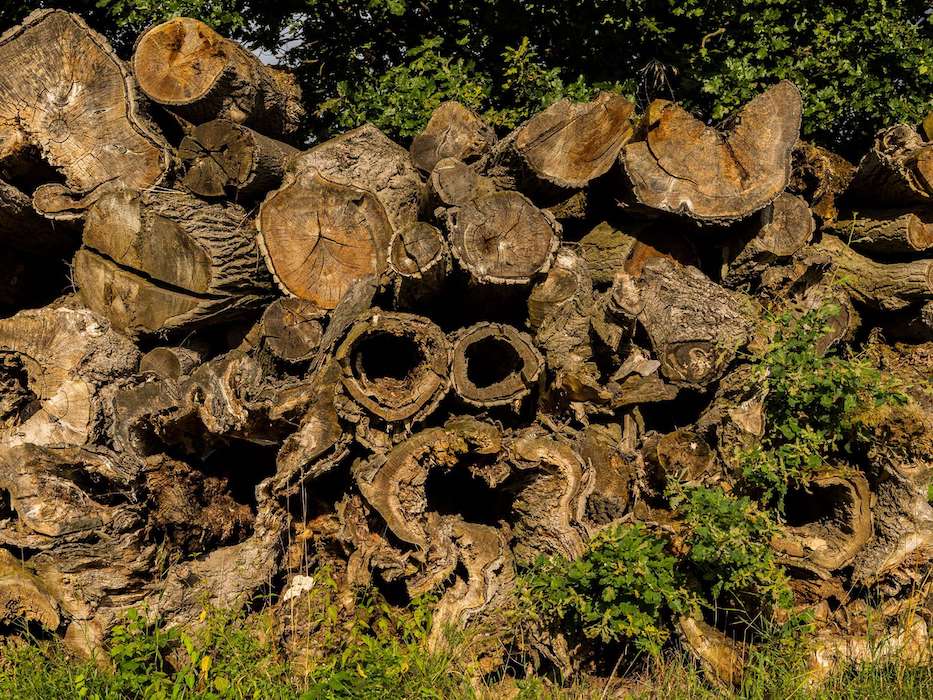
Deadwood as a nesting site for wild bees
When tree fungi attack dead wood, it becomes rotten. Many bees love this so much that they build their nests exclusively in such rotten logs.
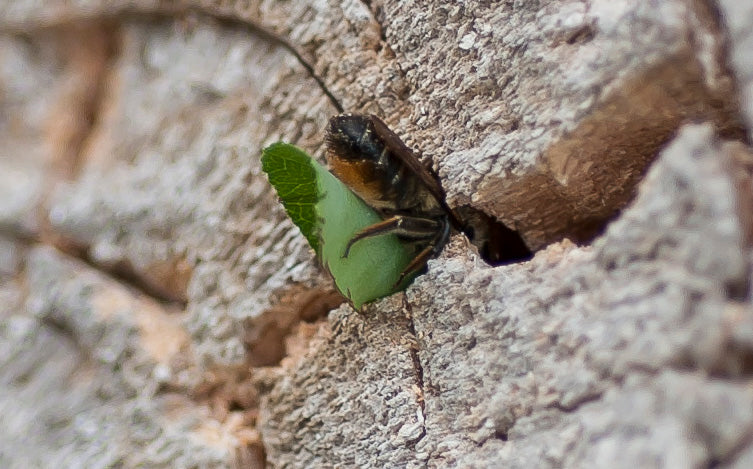
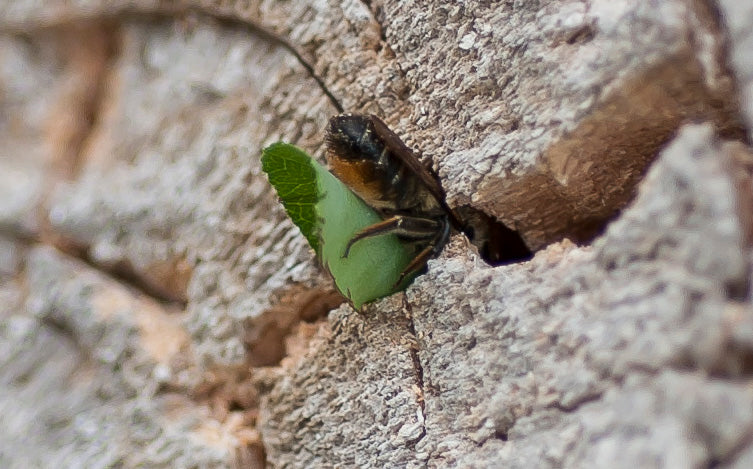
They use their strong biting tools to gnaw tunnels into the soft, yet stable material. If rotten wood lies in dry, sunny places, it acts like a magnet for bees, as they love warmth above all else.
Common inhabitants of these nesting sites include various species of leafcutter bees, the carpenter bee, or the forest furrow bee.
Accumulating deadwood - Here's how
Location:
For your deadwood project, choose sunny spots with dry ground.
Material:
Use stumps, logs, and thick branches from hardwoods. Larger pieces of wood perforated with insect boreholes or with white rot are particularly suitable as nesting sites for wild bees.
Creation & Care:
Promoting wild bees with deadwood is particularly easy if you have access to larger pieces of deadwood. Stack the deadwood and build it up. The goal is to create a structure with little ground contact to avoid moist decomposition. You can also set up logs vertically, similar to totem poles.
Minimal care is useful but not necessary. If necessary, you can clear the piles of overgrown vegetation every three years.
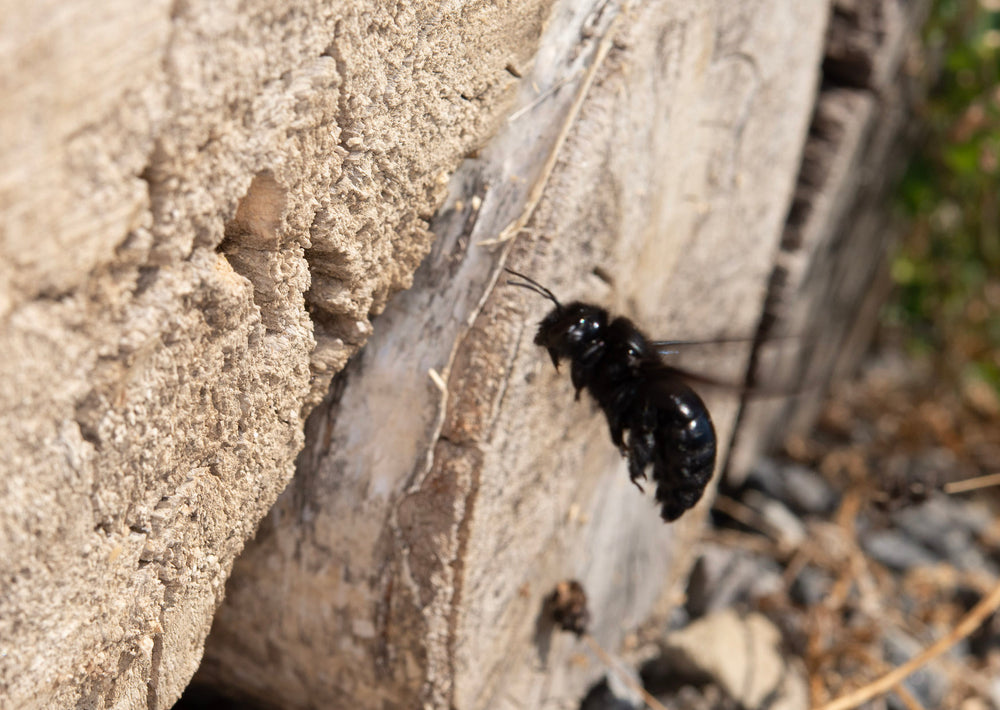
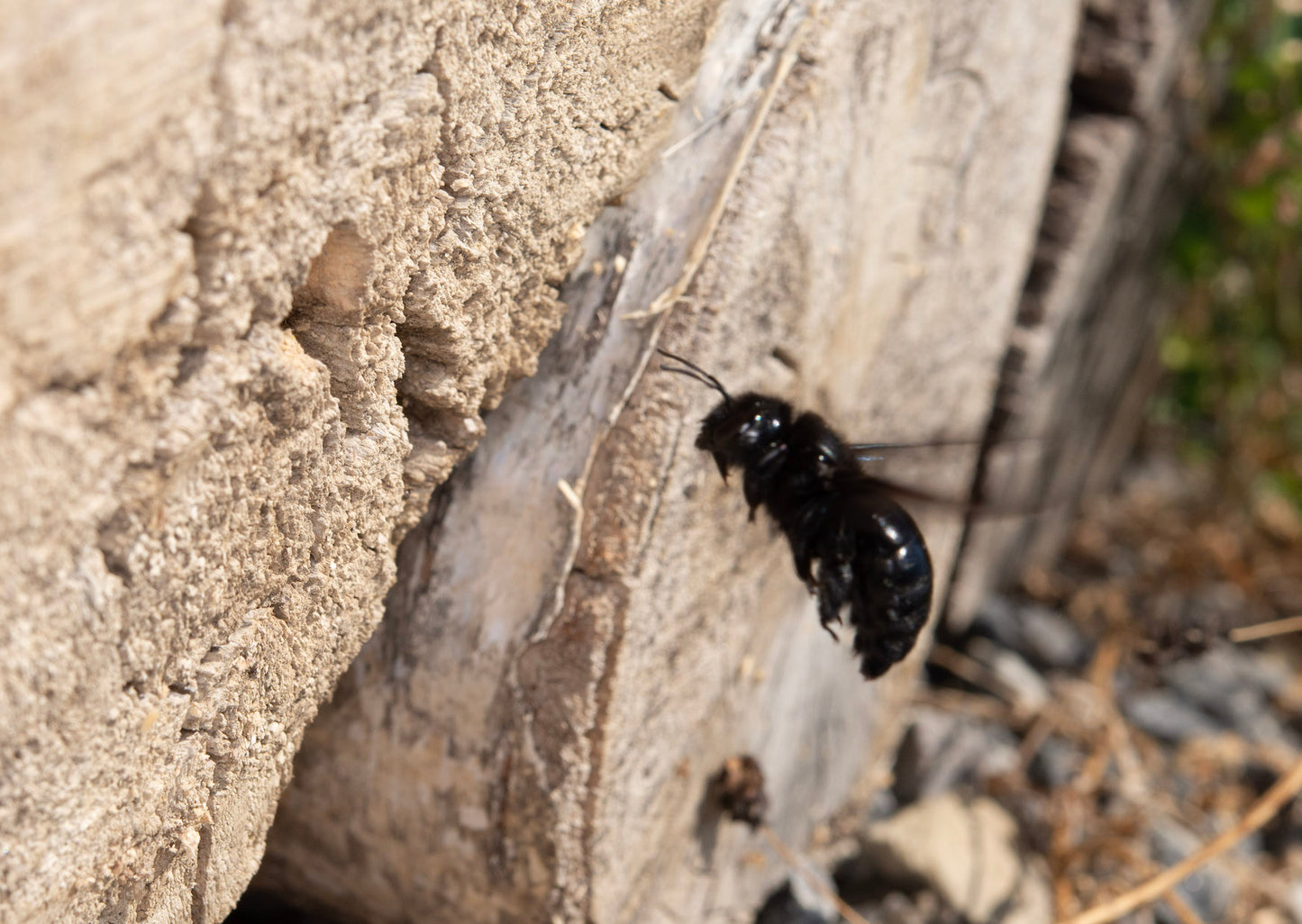
Explainer video: Yannick shows you how it's done
BeeHome Diversity as a nesting site for numerous wild bees
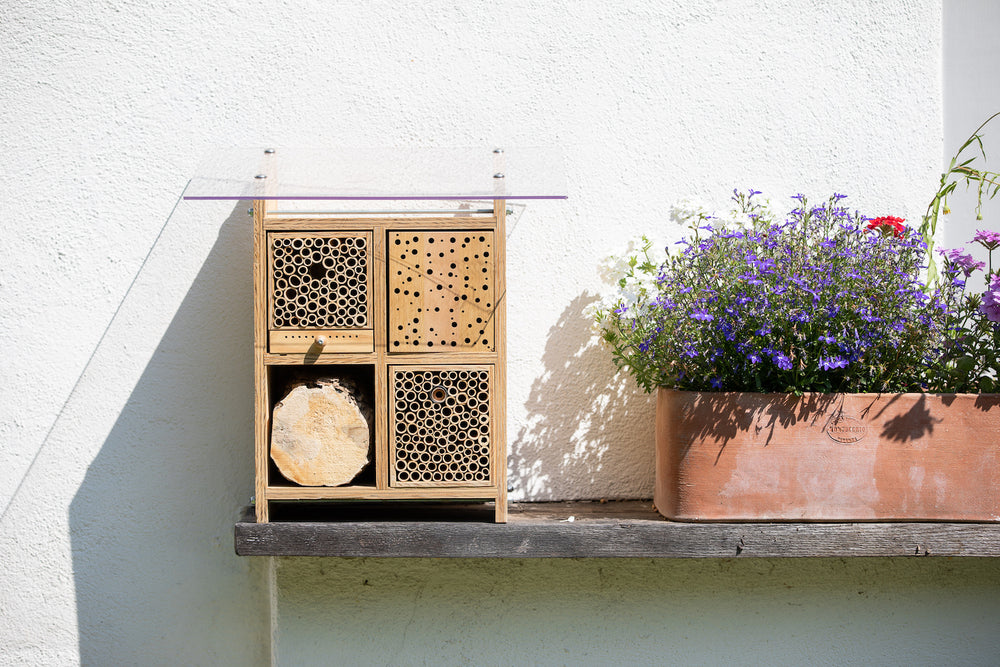
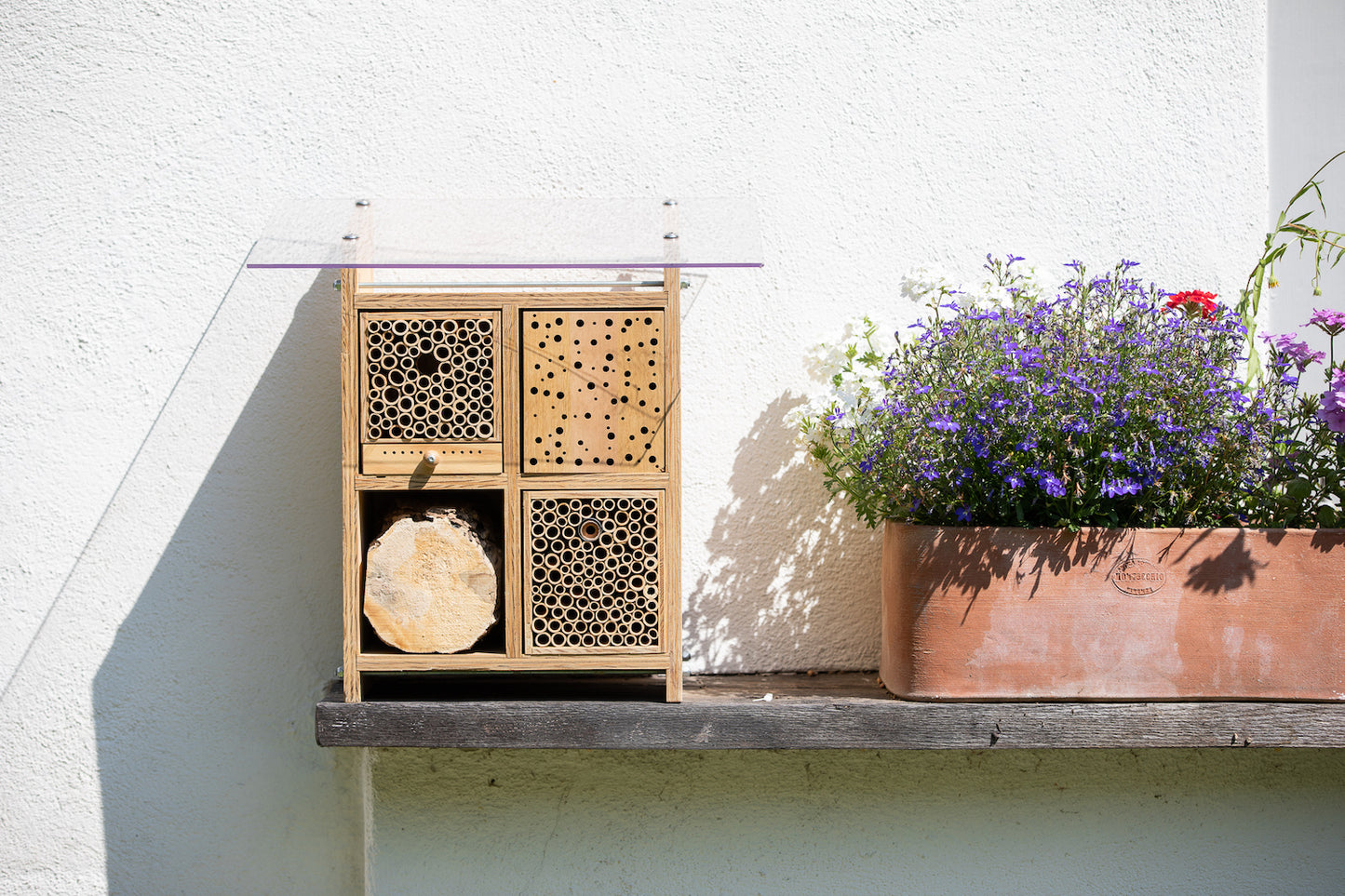
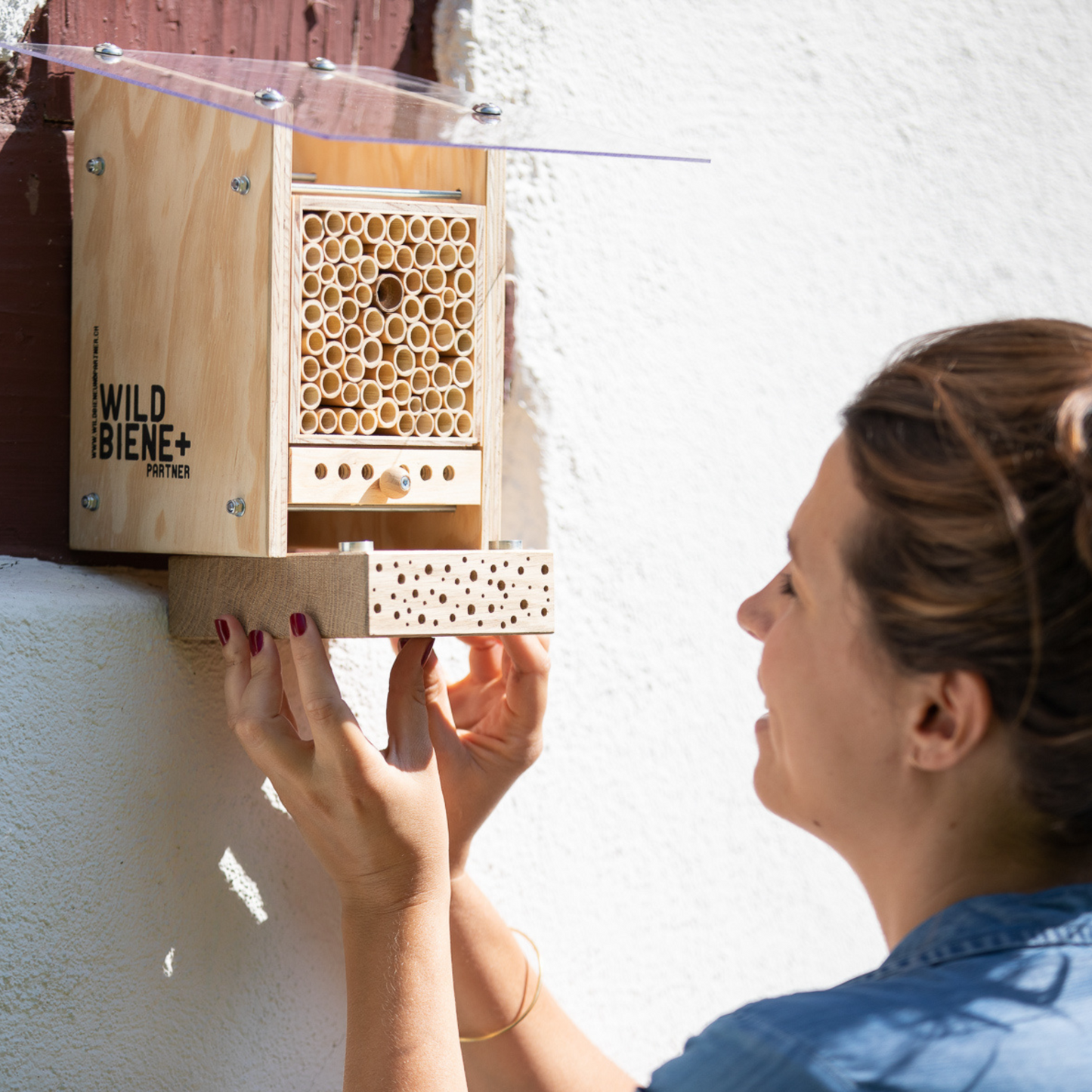
The BeeHome Diversity has been specially developed to meet the needs of as many cavity-nesting species as possible. With giant reed tubes and solid wood borings, offering diameters from 2 to 11 mm and carefully sanded, it provides an ideal home for numerous species. The deadwood module also enables the colonization of species that bore their own tunnels, such as the large carpenter bee.
Start your wild bee adventure with a BeeHome




Pithy Stems as Nesting Sites for Wild Bees
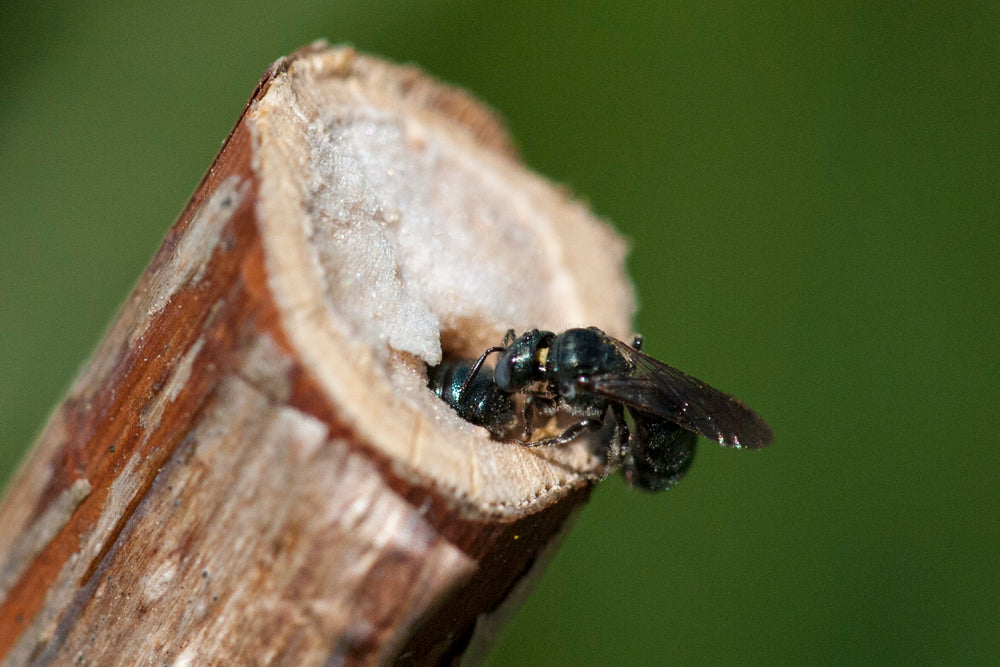
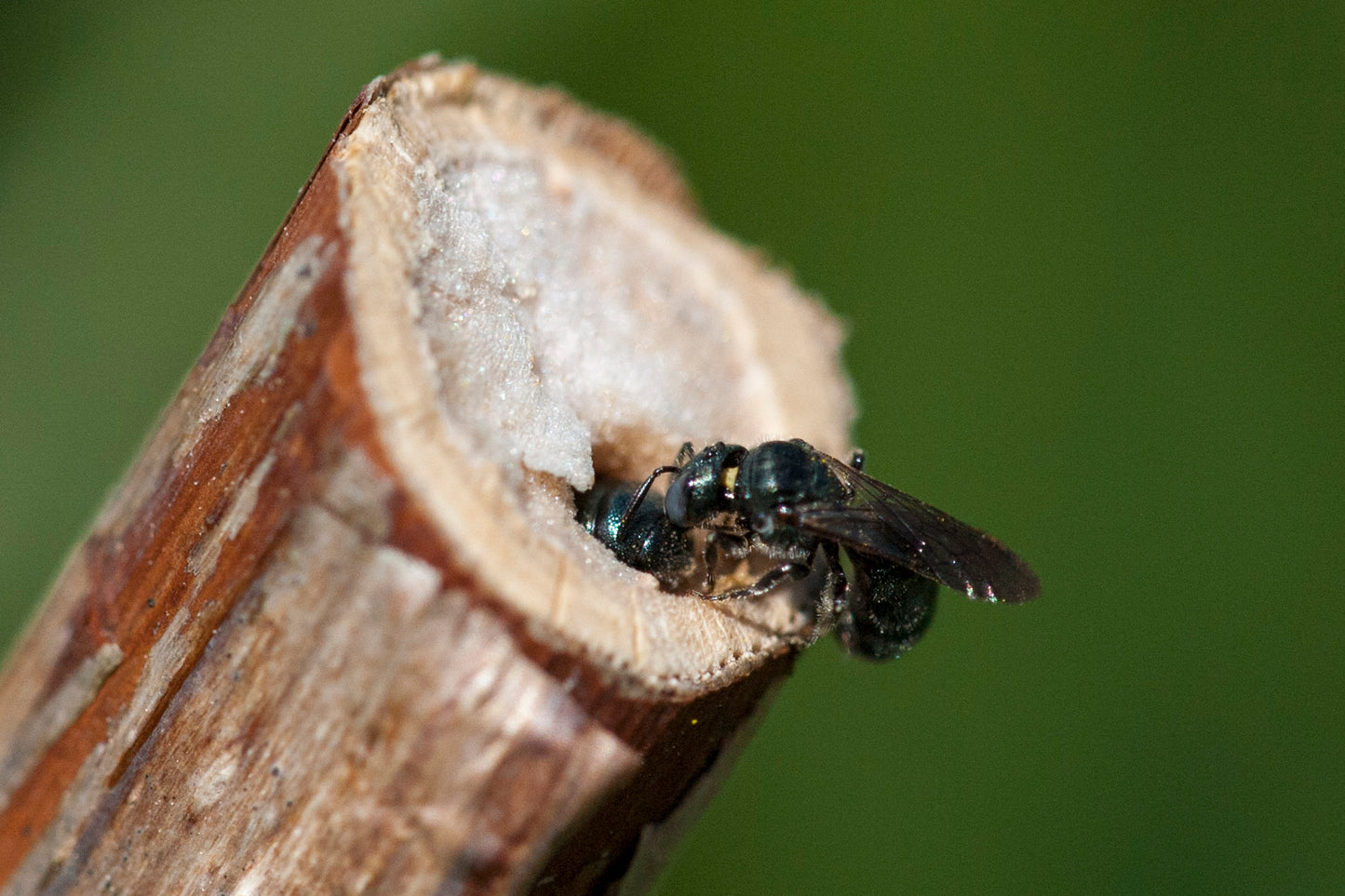
There are about ten wild bee species that prefer to build their brood cells in predominantly vertical, pithy stems. These bee species show an impressive ability by gnawing and digging their nesting tunnels through the pith. Common species that use this type of nesting site include the Small Carpenter Bee, the Pith-nesting Mason Bee, and the Club-horned Bees.
Offering stem structures - here's how
Material:
Use pithy, withered plant stalks to encourage wild bees. Plants with pithy stems suitable for nesting include: raspberries, blackberries, wild roses, mullein, thistles, burdocks, mugwort, elderberry.
Creation & Care:
Cut pieces 30–50 cm long and mount them individually or
in bundles vertically in a sunny location. You can also place the stem pieces in the crevices of a stone pile.
Alternatively, you can plant plants with pithy stems and leave them for several years. Prune dead, brown blackberry canes with garden shears. This makes it easier for wild bees to access the
pithy interior of the canes.
Explainer video: Yannick shows you how it's done
Snail shells as nesting sites for wild bees
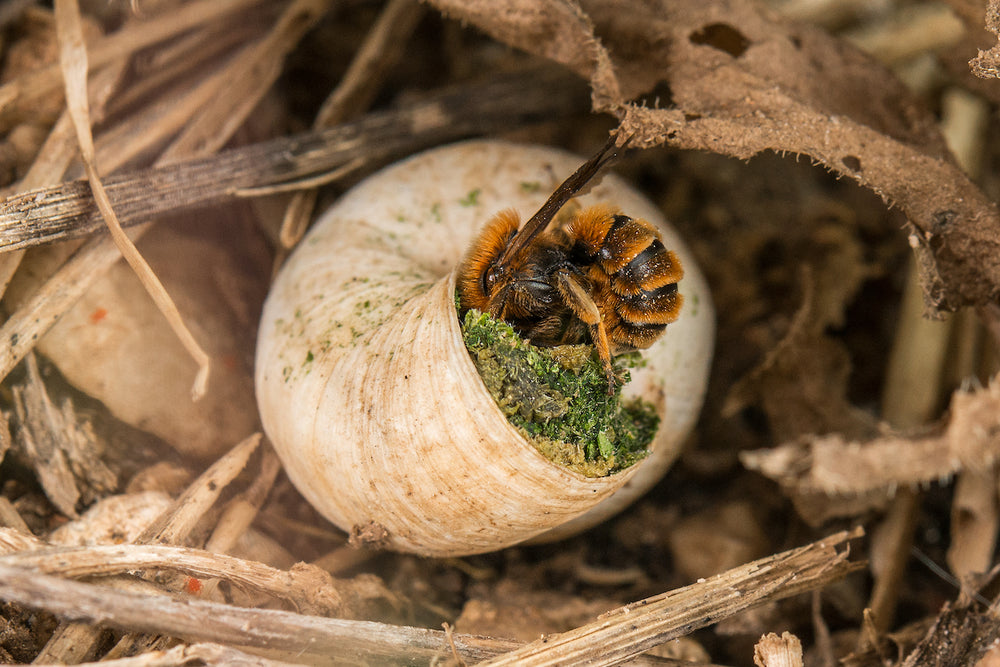
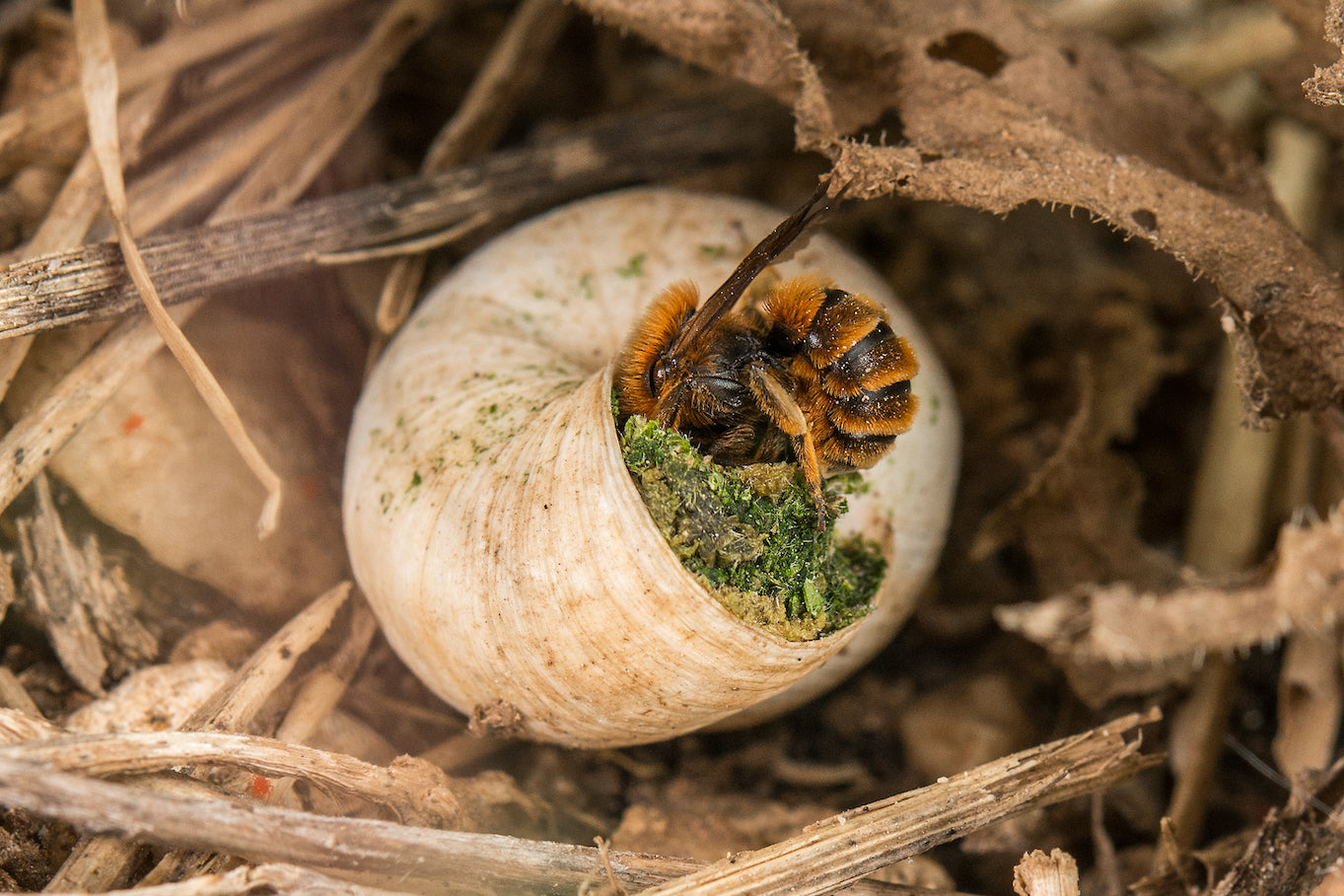
There are indeed wild bee species that only nest in abandoned snail shells. If you place empty snail shells in sparsely vegetated and dry areas, with a bit of luck, they will be colonized by species such as the Golden Snail Shell Mason Bee or the Two-colored Snail Shell Mason Bee (Osmia bicolor).