
Insect-Friendly Autumn: How to Prepare Your Garden for Wild Bees & Insects
When temperatures drop and leaves turn golden yellow and brown, many plants go into winter dormancy. For insects in autumn such as wild bees, bumblebees, or butterflies, however, a particularly important phase begins. Even if fewer pollinators are out and about, you can now lay the foundation for a species-rich spring with simple measures.
In this article, you will learn how to design your garden with insect-friendly perennials and autumn plants – and thus help wild bees, butterflies, and many other insects.
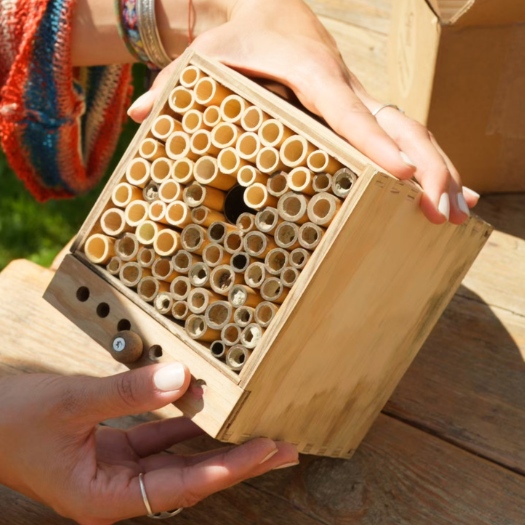
1) Autumn is maintenance time - here's how to keep your BeeHome usable for a long time
Over time, due to moisture, the wood of your BeeHome may turn black. In our blog post "How to care for your BeeHome", we provide you with some tips to maintain your BeeHome and extend its lifespan. To avoid disturbing the wild bees, we recommend carrying out this maintenance when they are in hibernation – ideally between September and January.
Our Wild Bee Care 2.0:
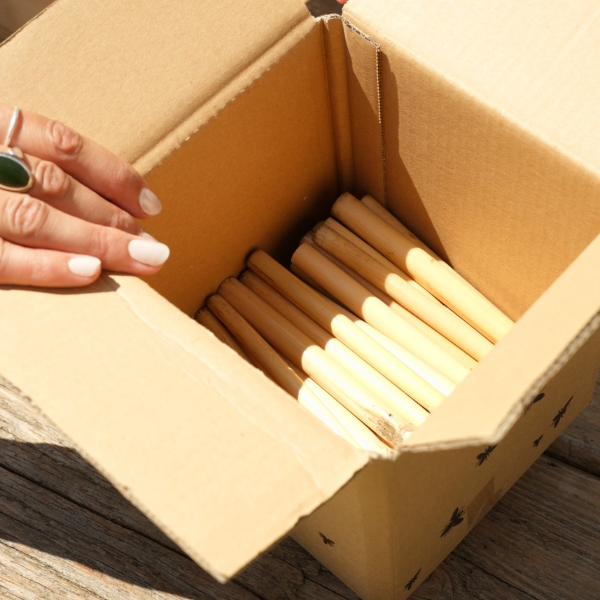
In addition to professional care and overwintering of your mason bees, we now also offer a BeeHome refresh, the replacement of all empty nesting tubes, or even an extra boost of mason bee power.
Video: How to care for your BeeHome in autumn
Over time, the wood of your BeeHome can darken due to moisture. Autumn is ideal for maintaining your BeeHome and replacing nesting tubes – we won't disturb the wild bees now because they are in hibernation.
2) Planting wildflowers & early bloomers in autumn – the best basis for insect diversity
Perennial wildflowers are perfect for planting in autumn. Perennial wildflowers are defined as biennial to perennial native flowering plants, many dozens of species of which are especially important for our pollinating insects.
The plants can establish well over winter and will bloom beautifully in the coming year. When choosing, look for single-petal flowers, because although double-petal flowers may look pretty, they offer no food for insects. You can read which early bloomers and perennial wildflowers are particularly suitable for wild bees on our page "Native Plants as a Livelihood for Wild Bees".
Autumn is also the perfect time to plant flower bulbs. Grape hyacinths (Muscari) in particular are great nectar sources and ideal as early bloomers for wild bee species, such as the early-flying European hornfaced bee (Osmia cornuta).
Wild Hedges & Woody Plants for Long-Term Insect Diversity
In addition to flower bulbs and native perennial wildflowers, it's worth planting an easy-care wild hedge. For an evergreen hedge, there are two excellent native candidates: Holly is suitable for shadier spots and privet for sunnier locations. Both have small white flowers and offer abundant pollen and nectar for native wild bee species.
Where the hedge doesn't necessarily have to be evergreen, a wide variety of other options open up: Blackthorn, hawthorn, barberry, common buckthorn, and alder buckthorn are particularly valuable for wild bees. All these shrubs also produce nutritious fruits for native birds.
Early-blooming native shrubs and trees not only provide flowers in spring but also fruits that serve as food for various insects and other animals. They also create important retreats for insects, which can protect themselves from predators and cold in the leaves or branches. If you have the opportunity, plant suitable woody plants in your garden in autumn.
Selection of suitable trees for wild bees
Native trees are valuable early bloomers and food sources: Willows, wild cherry, sweet cherry, (wild) apple, pear, quince, plum, apricot, Norway maple, sycamore maple, field maple, rowan, bird cherry, whitebeam, service tree.
Selection of suitable shrubs for wild bees:
Hawthorn, blackthorn, wild roses, buckthorn, alder buckthorn, blackberry, raspberry, serviceberry, barberry, shrub willows (e.g., purple willow), currant, crownvetch.
3) Preserving Habitats: Pithy Stems
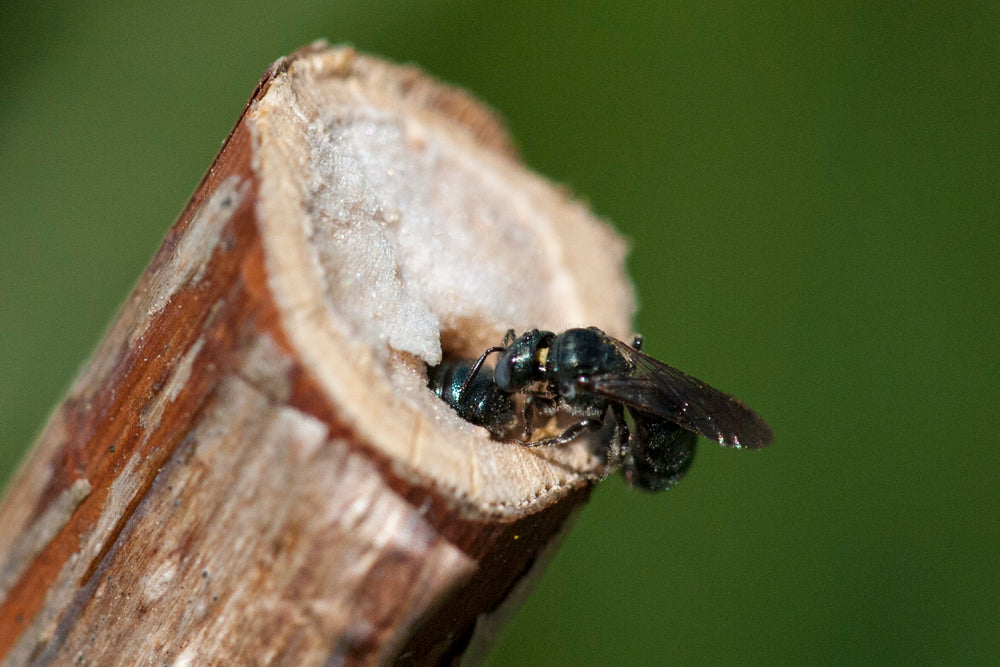
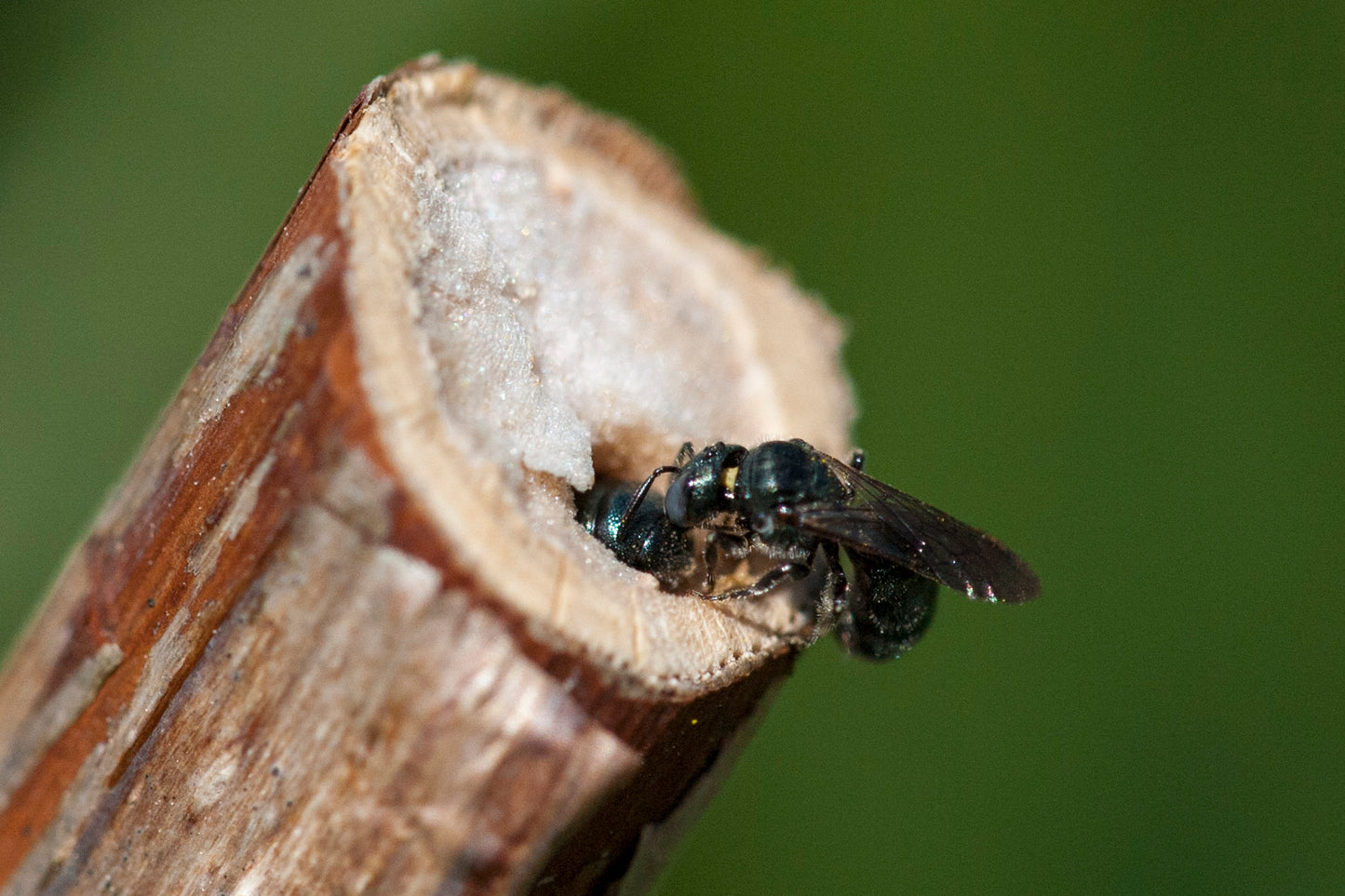
Wild bees and other insects look for nesting sites in spring. Use autumn to collect and put aside pithy stems of elderberry, blackberries or raspberries. Instead of composting them, you can offer these stems to wild bees as nesting sites in a sunny spot the following year. They and other insects bore into the pith and lay their brood there. For example, you can attach individual stems vertically to a fence. Wild Bee Whisperer Yannick explains how easy this is in this short video.
4) Deadwood in the Garden – Valuable Habitat for Insects
Deadwood is also a valuable habitat for insects. Autumn storms often bring down branches or even entire trees – ask farmers or neighbors if you can secure some pieces for your garden. Wild bee expert Yannick explains what to look out for in this video.
5) A Home in Snail Shells
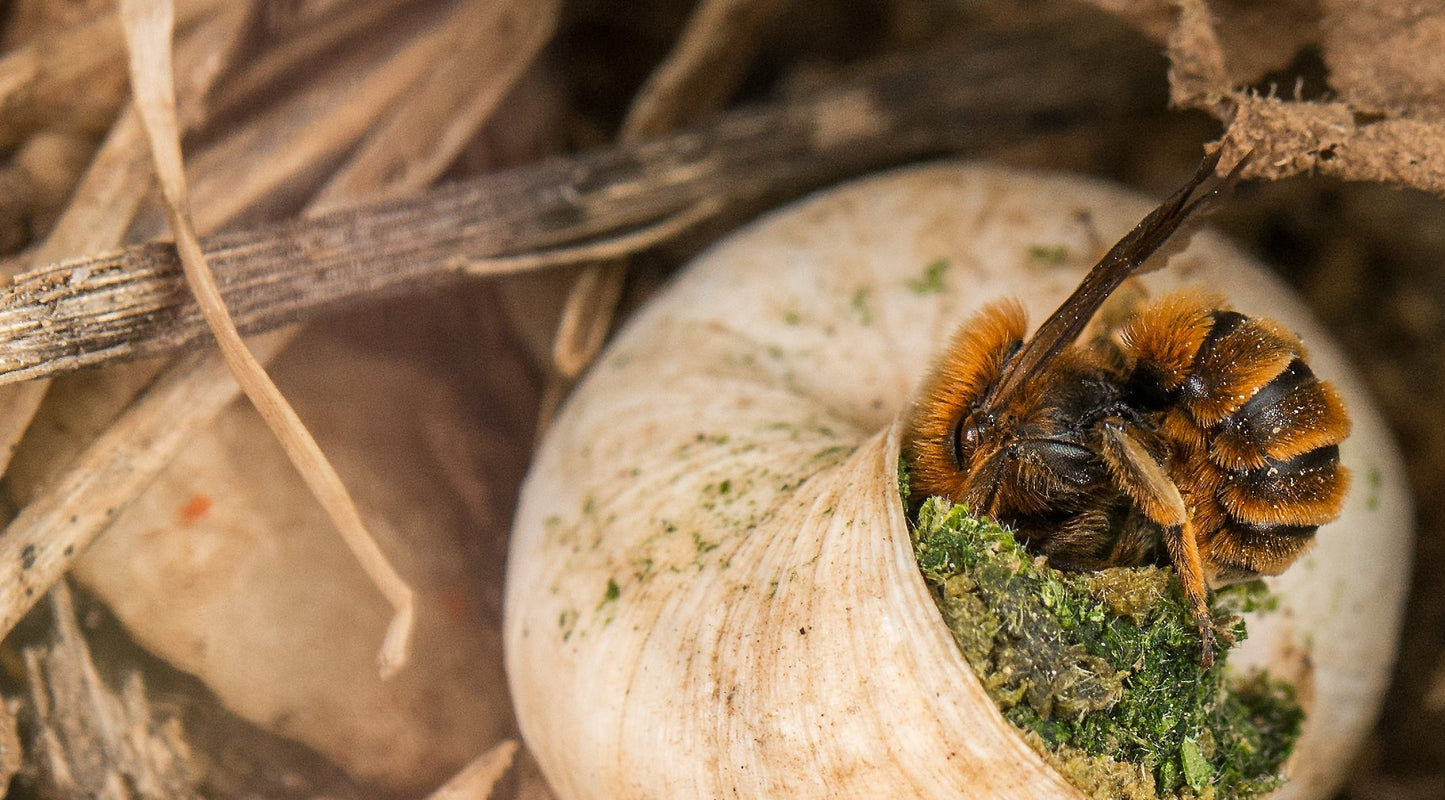
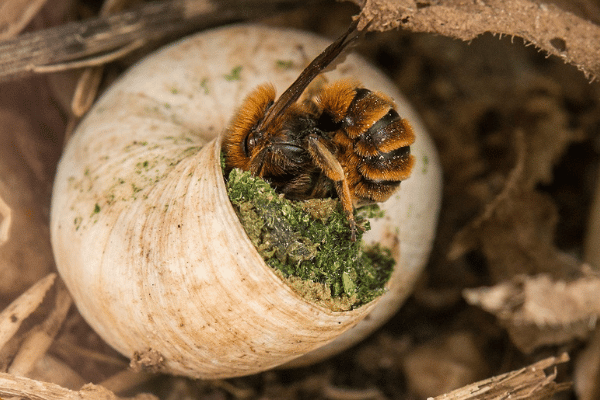
Did you know that some wild bee species nest in empty snail shells? Now in autumn, empty snail shells are particularly visible. Collect them and place them in sheltered spots in your garden in spring. Of course, only take empty snail shells – wild bee whisperer Yannick explains in this film how to do it. This way, you not only support wild bees but also other insects that use these special nesting sites.
6) Collect and Sow Seeds
Many native plants release their seeds in autumn. You can collect the seeds now and sow some directly in your garden. Some seeds need winter frost to germinate in spring, while others can be stored until spring. This will create a sea of flowers that will attract insects and provide them with food next year. Of course, you can also sow our colorful wild bee seed mix with organic quality seeds. Some perennial plants benefit from autumn sowing between August and the end of September.
7) Leave Leaves – Simple Protection for Insects in Autumn
Fallen leaves, branches, and plant stalks are valuable habitats – not waste. Many wild bees, butterflies, and beetles overwinter in them, protected from cold and predators. If you clear everything away now in autumn, you take away their necessary refuges – and often even animals that have already settled in. Instead, you can:
- Leave leaves in beds, under bushes, or around trees – they serve as an insulating layer and improve the soil.
- Stack branches and twigs into a small deadwood or brush pile – an ideal winter quarter for insects.
- Leave perennial stalks standing until spring – wild bees and other insects nest in them.
This is how easily you can make your garden insect-friendly in autumn, without much work – and thus secure habitats for the coming spring.
Professional care and overwintering of your mason bees
Have you ever wondered how many mason bees you've bred or if other inhabitants have settled in your BeeHome?
- Remove parasites
- overwinter mason bee cocoons
- record nesting success
- replace nesting tubes
- provide a starter population for next season (min. 30 cocoons)
You see: Autumn is a great time to give wild bees and other pollinating insects in your area an even better start to spring.
And with the right sustainable BeeHome, the anticipation for spring grows even more. Why not give this anticipation as a Christmas gift?