

Promoting wild bees
Promoting native plants for wild bees
Native plants such as wildflowers, perennials, shrubs, and trees are an important basis of life for wild bees. On this page, you will find tips on how to create wildflower meadows and beds, as well as how to plant and care for shrubs, hedges, and trees.
Native Plants as a Livelihood for Wild Bees
To effectively support native wild bees, the protection and restoration of their diverse habitats is of great importance. Native plants play a key role in this. These include wildflowers, perennials, hedges, and trees. On our page about native plants as a basis for wild bee habitats, you will find information on which plants and woody plants are suitable for promoting wild bees in your area.
Creating Wildflower Meadows - Here's How
Location:
For your wildflower meadow, choose green spaces that are not frequently walked on, instead of lawns or areas on embankments.
Creation & Care:
Start by preparing the soil for sowing: remove all plants and loosen the soil. Then, if possible, let it rest for four to six weeks. If the soil is nutrient-rich, it is important to remove the topsoil.
Choose a native seed mix that suits your location. You can find information on native plants that are important for wild bees here. The best time for sowing is between April and early June.
In the first year, pay special attention to the care of your meadow. Follow the instructions for the necessary clearing cuts carefully. From the second year onwards, mow the meadow once a year after flowering (from August) if the soil is lean, or twice (from July) if the soil is somewhat more nutrient-rich. It is best to use a scythe mower and leave the mown material (hay) for a few days before removing it. Mow in sections and leave islands of old grass standing over winter so that animals have places to retreat.
If you wish, you can mow certain areas or paths freely throughout the year to ensure the accessibility of your meadow. Remember not to use fertilizers, herbicides, or pesticides to maintain the natural balance.
Planting a wildflower bed - Here's how
Location:
Sunlit spots, small lawns, or residual areas are suitable for your wildflower bed.
Creation & Care:
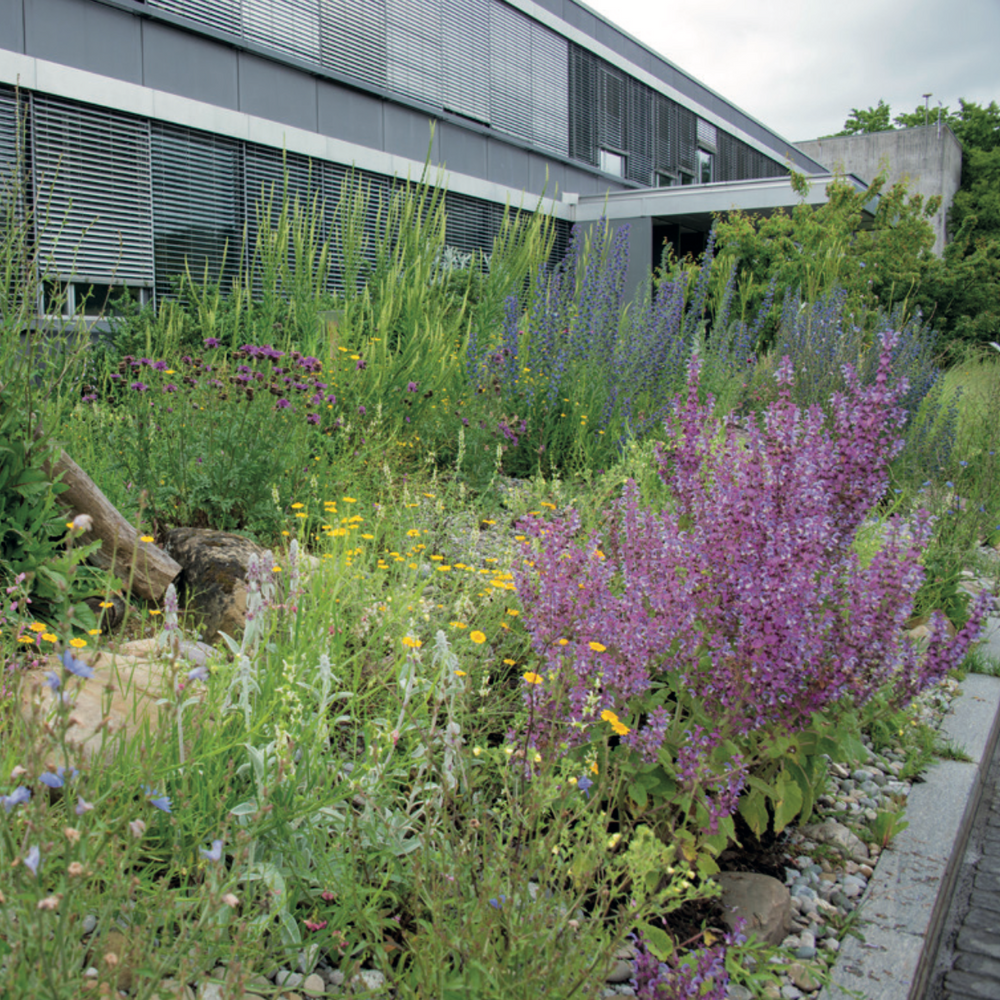
Plant native wild perennials suitable for wild bees. Do you have nutrient-rich soil? Then you should first remove about 10–20 cm of humus and fill the planting pit with a nutrient-poor substrate.
Once a year, you should remove competing plants. Make sure to leave useful plant species. It is important that you do not use any fertilizers, herbicides, or pesticides to avoid harming bees and other insects.
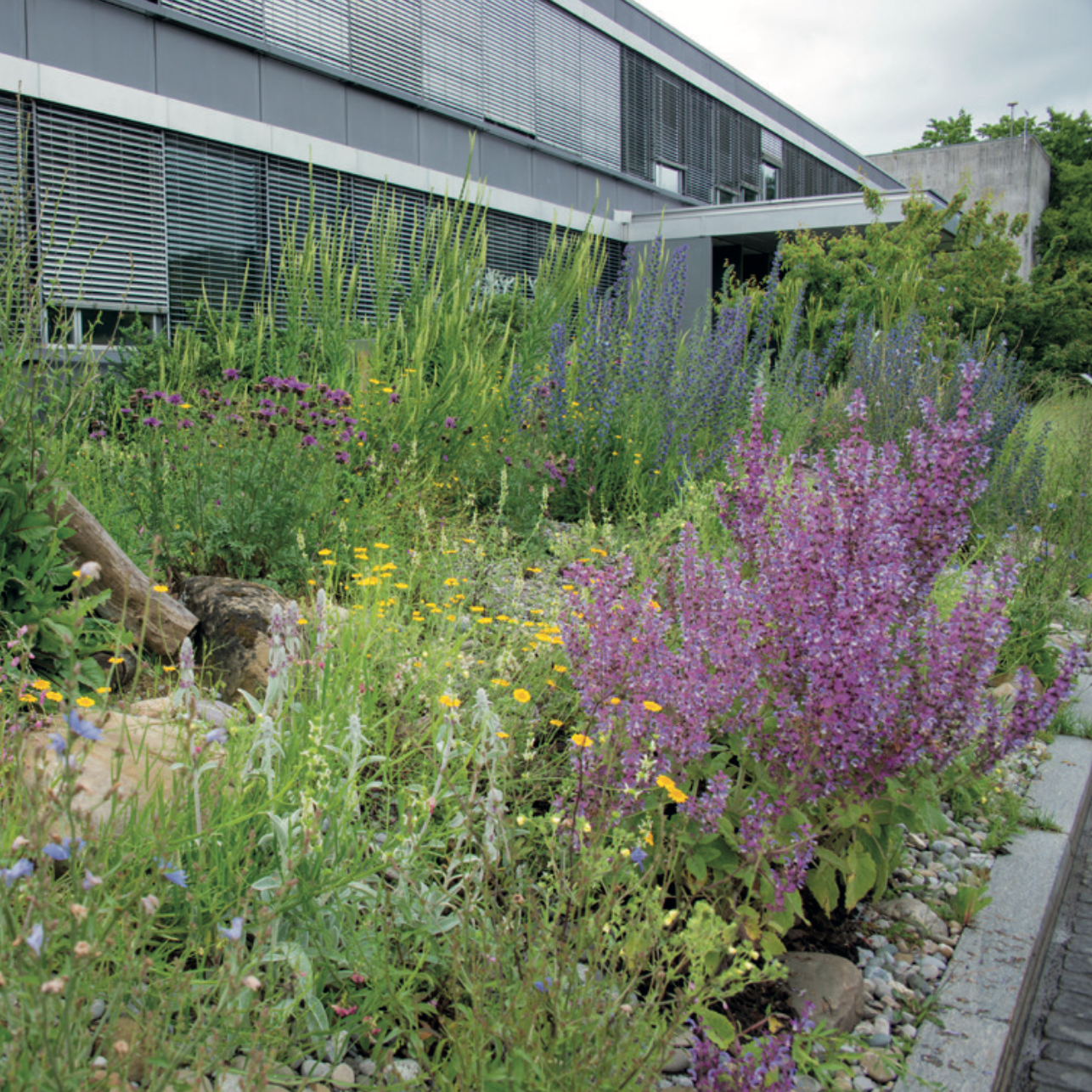
You can wonderfully integrate sandy areas and deadwood as nesting structures for wild bees in your flower bed.
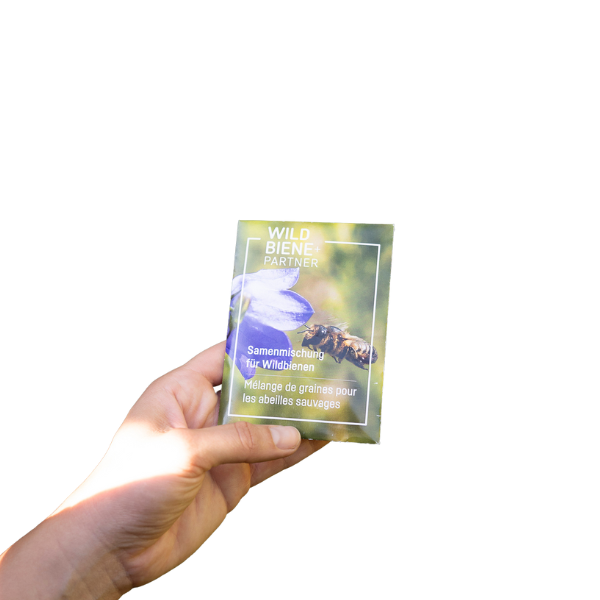
Our Selected Plant Products for Wild Bees


Planting and Caring for Shrubs and Hedges
Location:
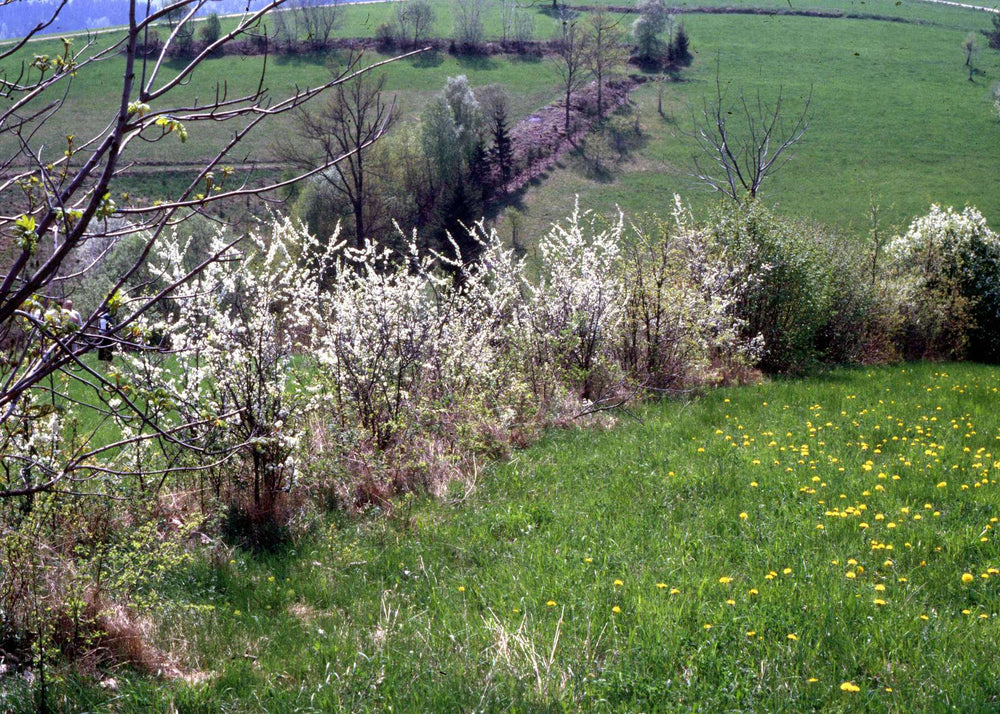
Shrubs and hedges are suitable for sunny spots, serving as natural boundaries for areas and gardens. Bee-friendly shrubs and hedges are a wonderful alternative to boxwood, cherry laurel, or thuja hedges.
Establishment & Care:
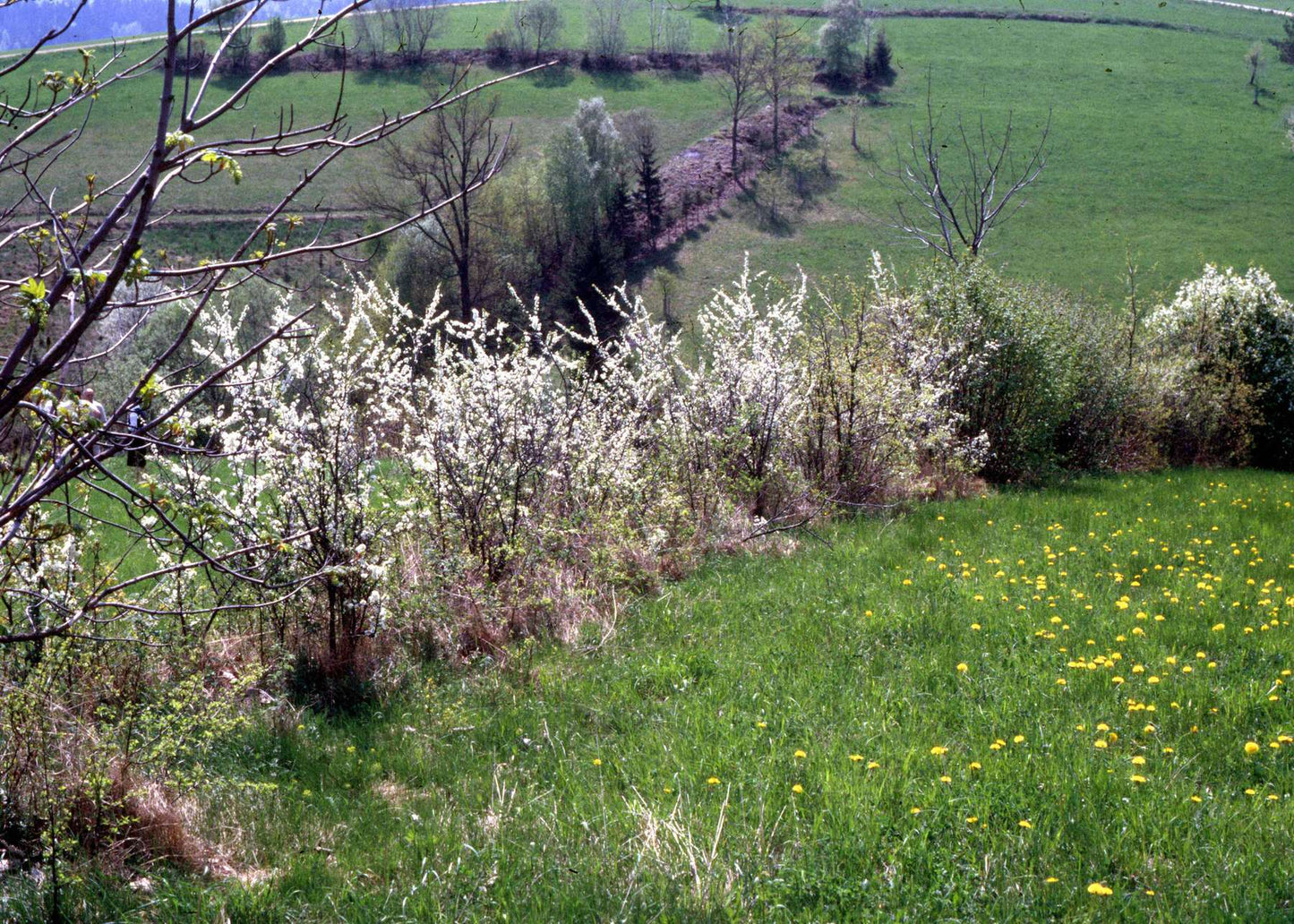
Start by planting bee-friendly, native shrubs. Try to plant these shrubs individually or as a hedge. If you can, surround the shrub groups with a 1–2 meter wide herbaceous border or create a wildflower meadow.
It is important to thin out dense hedges every 2–3 years. Especially fast-growing species, such as hazel, should be cut back vigorously. For long hedges, it is best to prune them in stages over several years and outside the birds' breeding season (April to mid-July) to avoid harming the birds.
As for the effort involved, planting the shrubs is somewhat laborious, but maintenance is generally less than with conventional hedges. And an added bonus: by replacing boxwood hedges with these alternatives, you save yourself the trouble of treating them against the boxwood moth.
Planting and caring for trees
Creation & Maintenance:
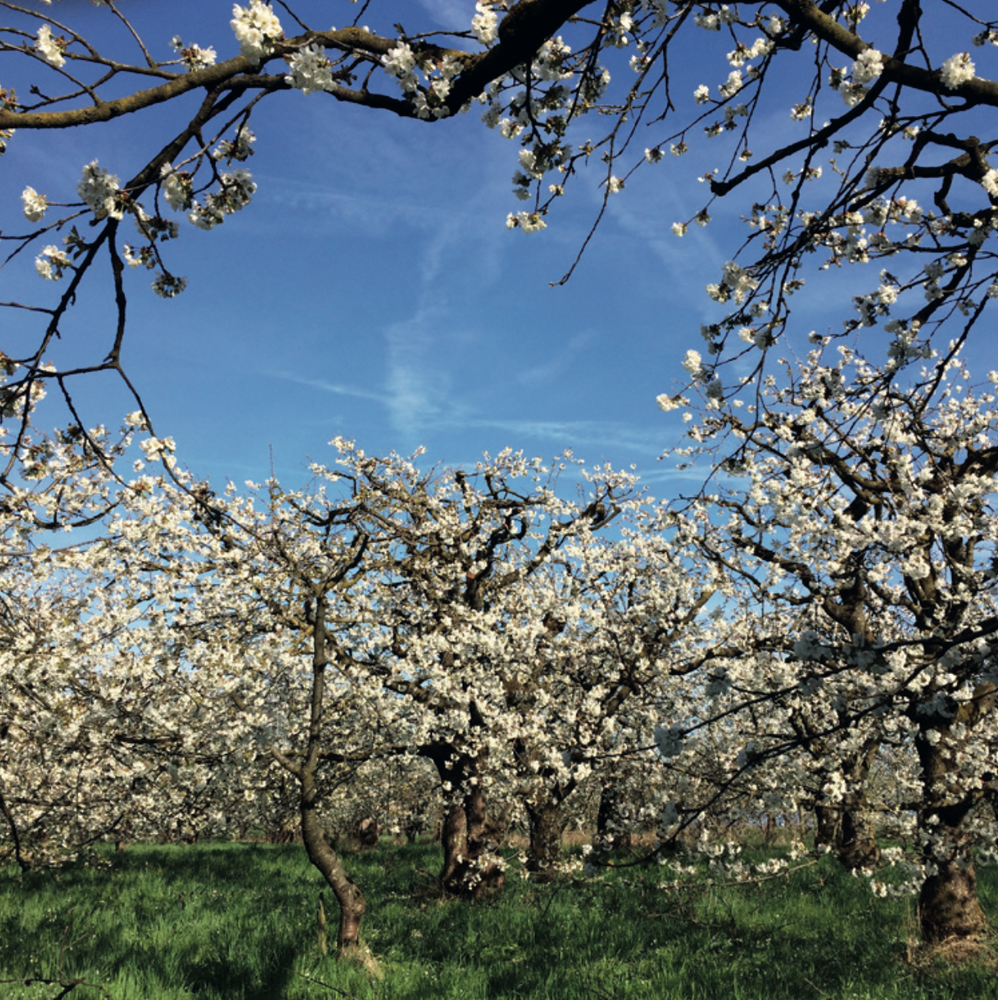
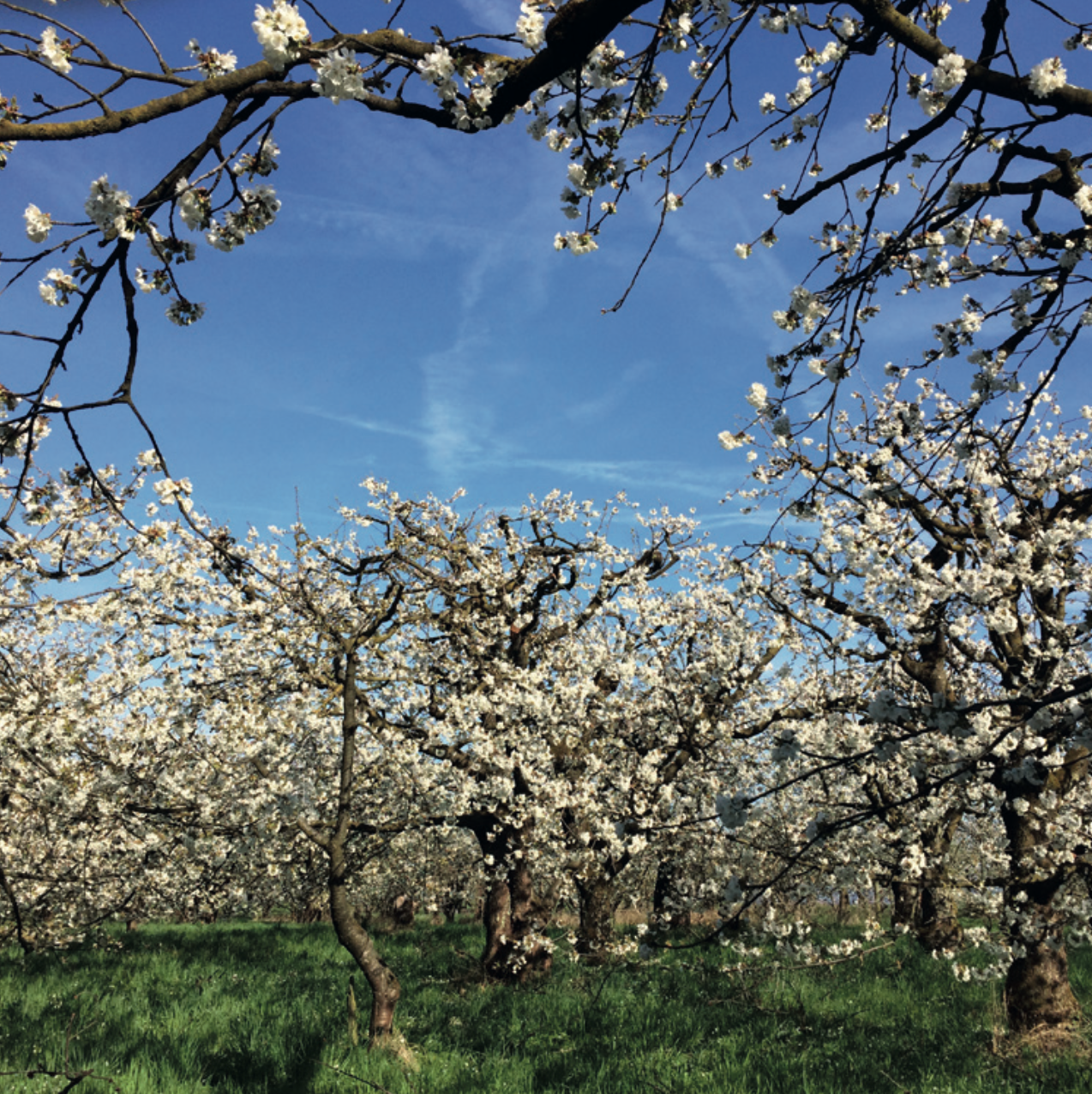
Start by planting new trees. When choosing tree species, pay special attention to those that are beneficial for wild bees. You can find information on this on this page.
It is important to leave dead branches on trees for as long as possible and to leave dead trees standing as long as they do not pose a danger. If you have to fell a tree, try to cut it as high as possible, about 2–3 meters above the ground. If possible, leave the cut branches or trunk sections directly under the tree.
Notes:
An important note for you as a hobby gardener: Please avoid chemical pesticides on your fruit trees. As a professional gardener, you should avoid bee-hazardous agents (check the label) and, if absolutely necessary, do not use these agents during flowering, when bees are flying, in strong winds, or before and after heavy rainfall. For more information and recommendations, check out the Bienenzukunft platform. There you will find fact sheets on wild bees and pesticides that are helpful for both hobby and professional gardeners.