Habitat
Wildflowers & native plants for wild bees in Switzerland
Wild bees not only need safe nesting sites but, above all, diverse food sources. The most valuable for this are native plants such as wildflowers, perennials, shrubs, and trees, which offer abundant pollen and nectar. On this page, you will find a list of native wildflowers for wild bees, tips for selecting them based on location and flowering time, and recommendations for plants in Switzerland with which you can transform your garden or balcony into a vibrant habitat.
Thriving Diversity – Why Wildflowers Are So Important for Wild Bees
Above all, wild bees need one thing: diversity. Within their small radius of action, usually only 200–300 meters, they must find everything – from nesting sites to food sources such as pollen and nectar. Therefore, native plants are indispensable: they provide food and building materials for many species and ensure that wild bees can successfully raise their offspring.
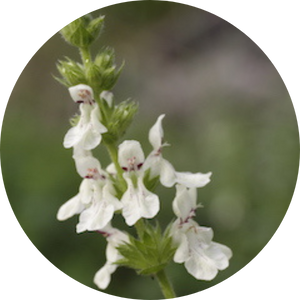
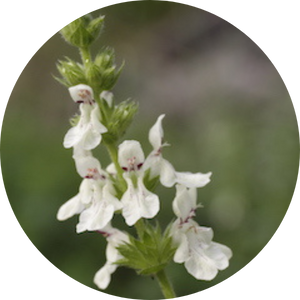
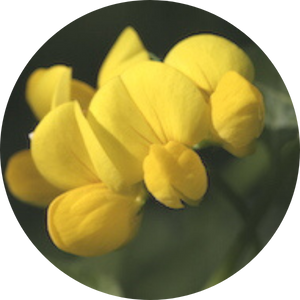
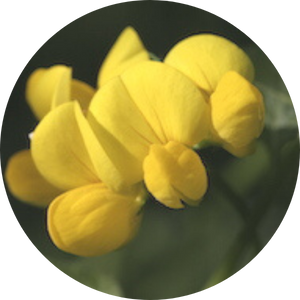
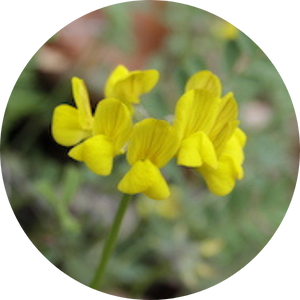
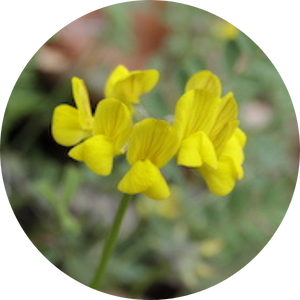
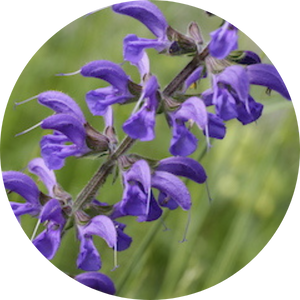
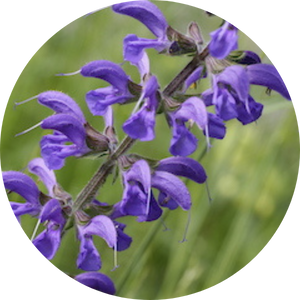
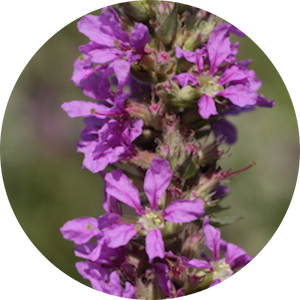
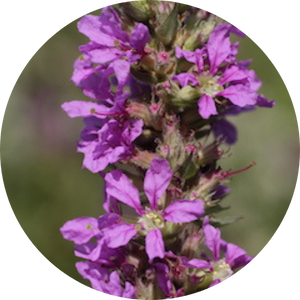
Particularly valuable are wildflowers, perennials, hedges, and trees that offer blossoms throughout the year. Some species – like bird's-foot trefoil or meadow sage – are visited by many wild bees, while others – like purple loosestrife – are vital for specialized species. For your garden or balcony, therefore: The more native wildflowers you plant, the better. A list of native plants for wild bees in Switzerland can be found below.
Who's buzzing there? – Our list of native wildflowers for wild bees
In our Plant Overview with Pollinators (PDF), you'll find a detailed list of native wildflowers and plants for wild bees. It shows you at a glance:
- the German and botanical names of the plants,
- pollen and nectar content,
- flowering time and whether the species is annual, biennial, or perennial,
- which wild bee species particularly benefit from which plant.
This overview makes it clear how closely wildflowers and pollinators are connected – and how important diversity of native plants is for the survival of our wild bees.
👉 Perfect for anyone looking for a native wildflower list and wanting to specifically design their surroundings to be bee-friendly and biodiverse.
Early Bloomers for Mason Bees – Important Plants for Wild Bees in Spring
Mason bees are among the most important pollinators of cultivated plants. They start their activity particularly early in the year and are not deterred by cold or rain. While some wild bee species are highly specialized, mason bees visit a wide variety of wildflowers and early bloomers.
To ensure they find enough food in spring, you should plant native plants that bloom early in your garden or on your balcony. Particularly valuable are bulbous plants like Scilla or Grape Hyacinths (Muscari) – these can be planted in autumn and provide abundant nectar in spring.
Other recommended early bloomers for wild bees and other early fliers such as the buff-tailed bumblebee queen or the hairy-footed flower bee are:
- Aubrieta (Aubrieta deltoidea)
- Christmas Roses (Helleborus niger)
- Stinking Hellebore (Helleborus foetidus)
- Spotted Dead-Nettle (Lamium maculatum)
- Hollowroot (Corydalis cava)
With these native wildflowers, you lay the foundation for a successful breeding season for your wild bees – and simultaneously promote more biodiversity in Switzerland.
Bluebells
Bluebells
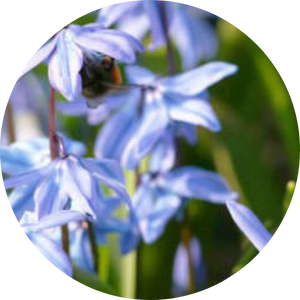
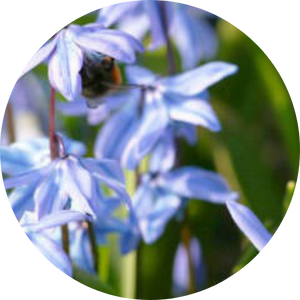
The beautiful, intensely blue blossoms of squills (Scilla) often produce blue pollen and large quantities of nectar, which makes them particularly attractive to mason bees.
Grape hyacinths
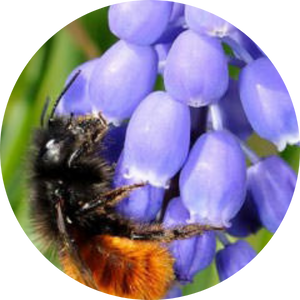
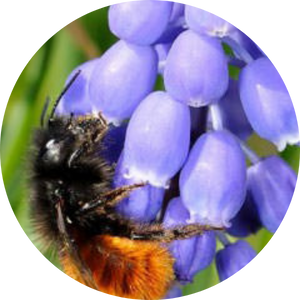
Grape hyacinths
Grape hyacinths (Muscari) are valuable nectar sources and are excellent for providing mason bees with their first energy boost in the morning.
Willow
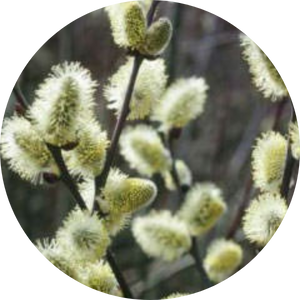
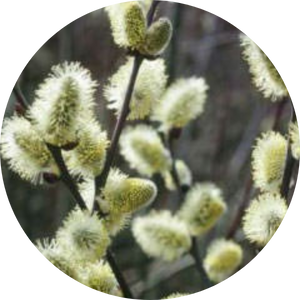
Willow
With their early-blooming catkins, willows are not only beautiful to look at but also valuable sources of pollen and nectar for mason bees.
Blackthorn
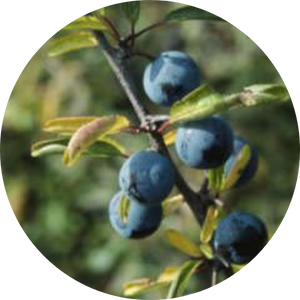
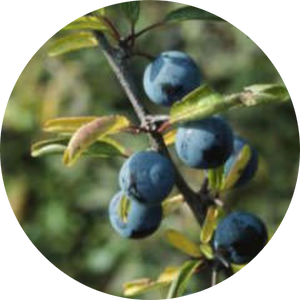
Blackthorn
The blackthorn (Prunus spinosa) – like the cherry trees to whose plant genus it belongs – offers an exceptionally abundant pollen and nectar source for mason bees thanks to its many blossoms.
Hawthorn
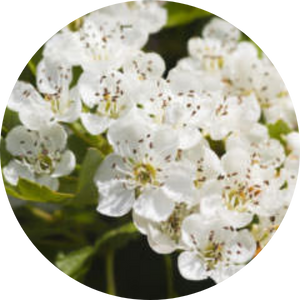
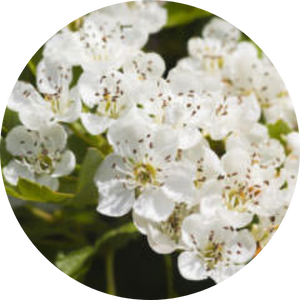
Hawthorn
The deciduous hawthorns (Crataegus) belong to the rose family and usually grow as densely branched, thorny shrubs or trees.
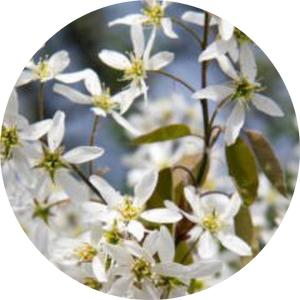
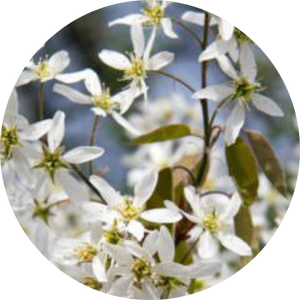
Serviceberry
Serviceberry
The common serviceberry (Amelanchier), sometimes also called Juneberry or rock serviceberry, blossoms before leaf emergence between April and May.
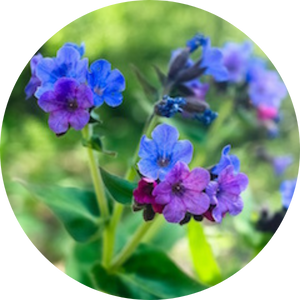
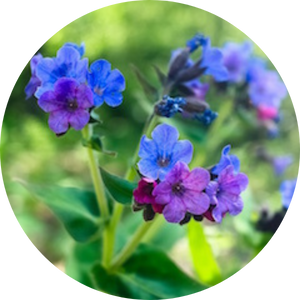
Lungwort
Lungwort
Lungwort (Pulmonaria officinalis) is an early bloomer, producing its colorful flowers as early as March – ideal for mason bees, which emerge from their cocoons around this time and immediately begin foraging for food.