

Promoting wild bees
This is how you can help combat bee mortality
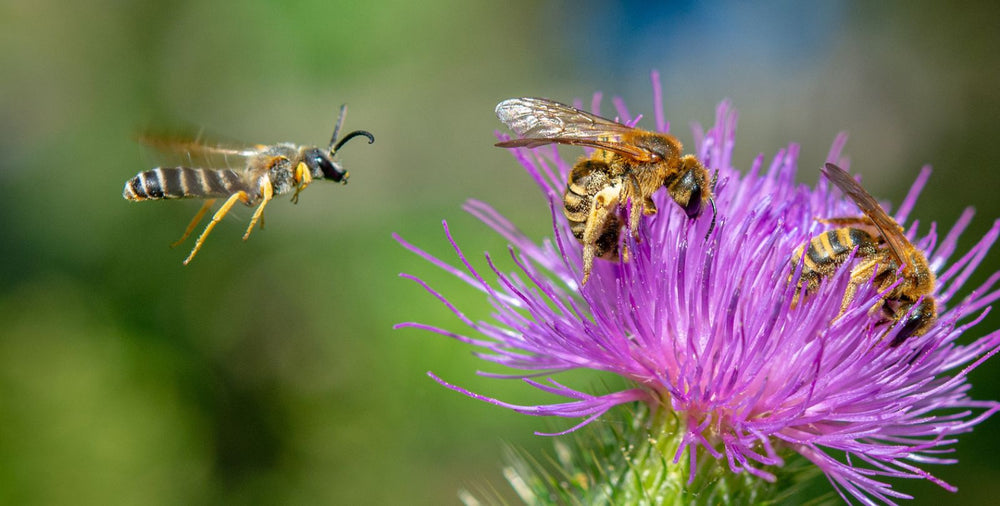
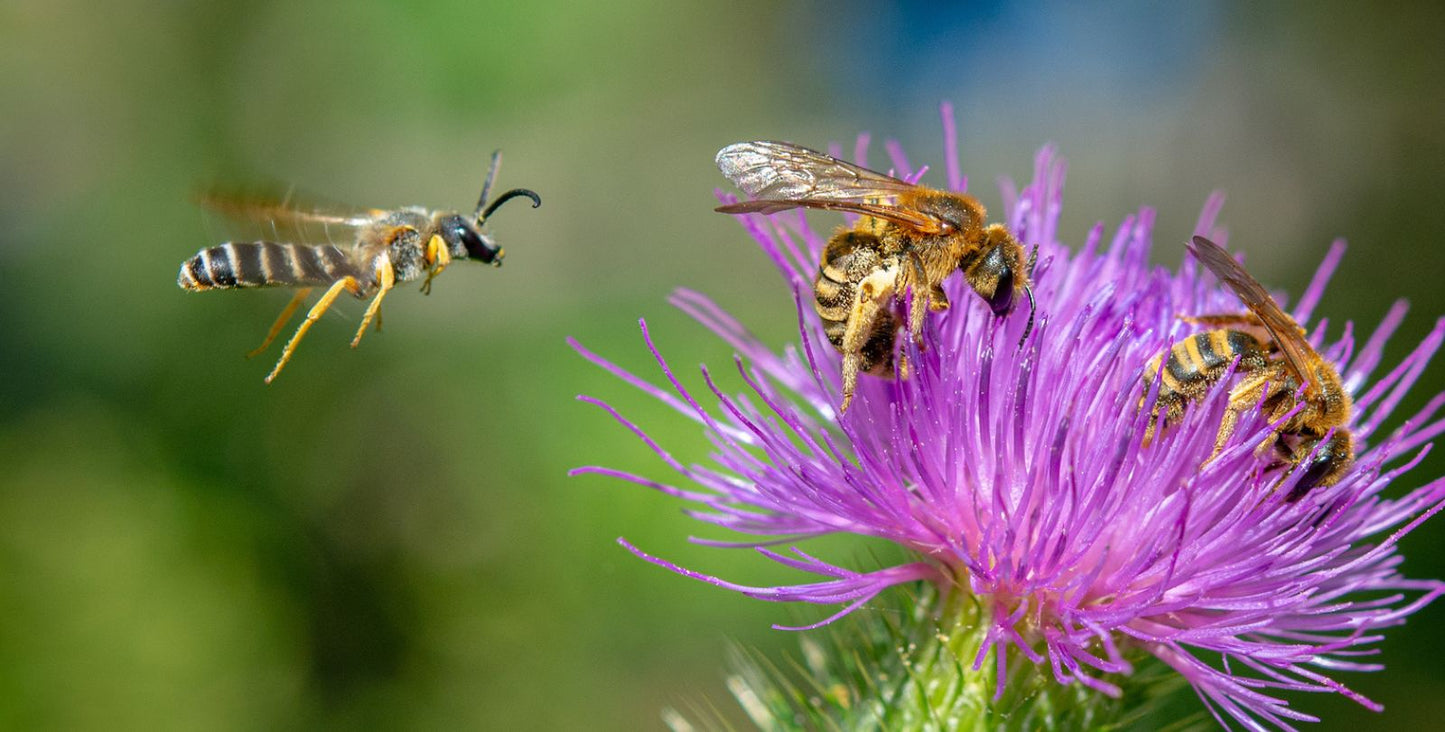
As diverse and extremely efficient pollinators, wild bees play a key role in our ecosystem. However, many once common species have become rare, and almost all species have declined sharply in number. There are indications that the total insect biomass in Switzerland has decreased by over 70 percent since the 1970s. On this page, we show you how you can contribute to preventing bee decline and promoting wild bees.
Promote native wildflowers
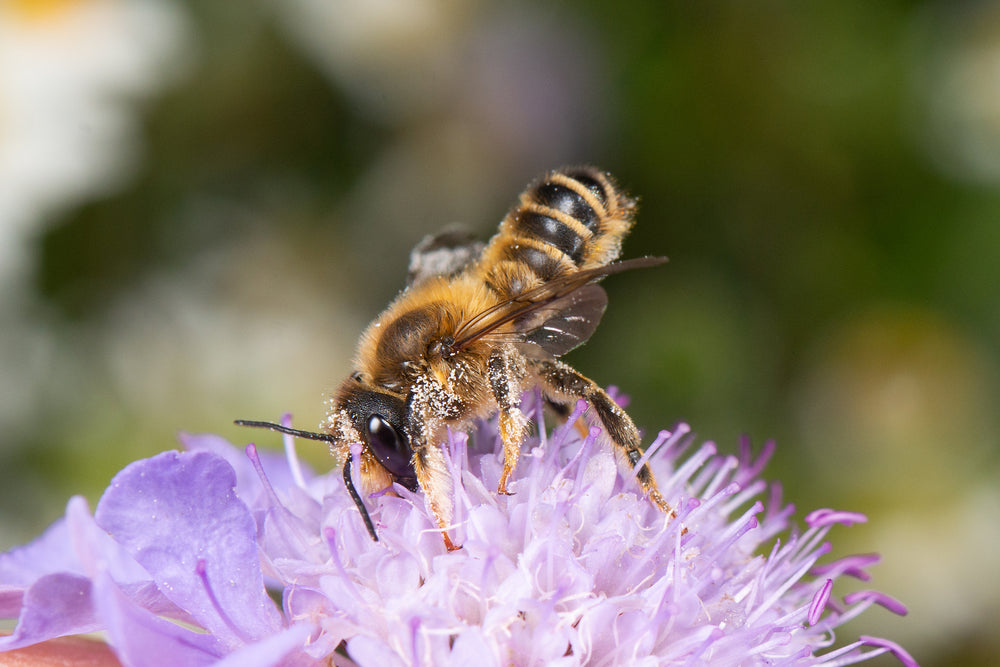
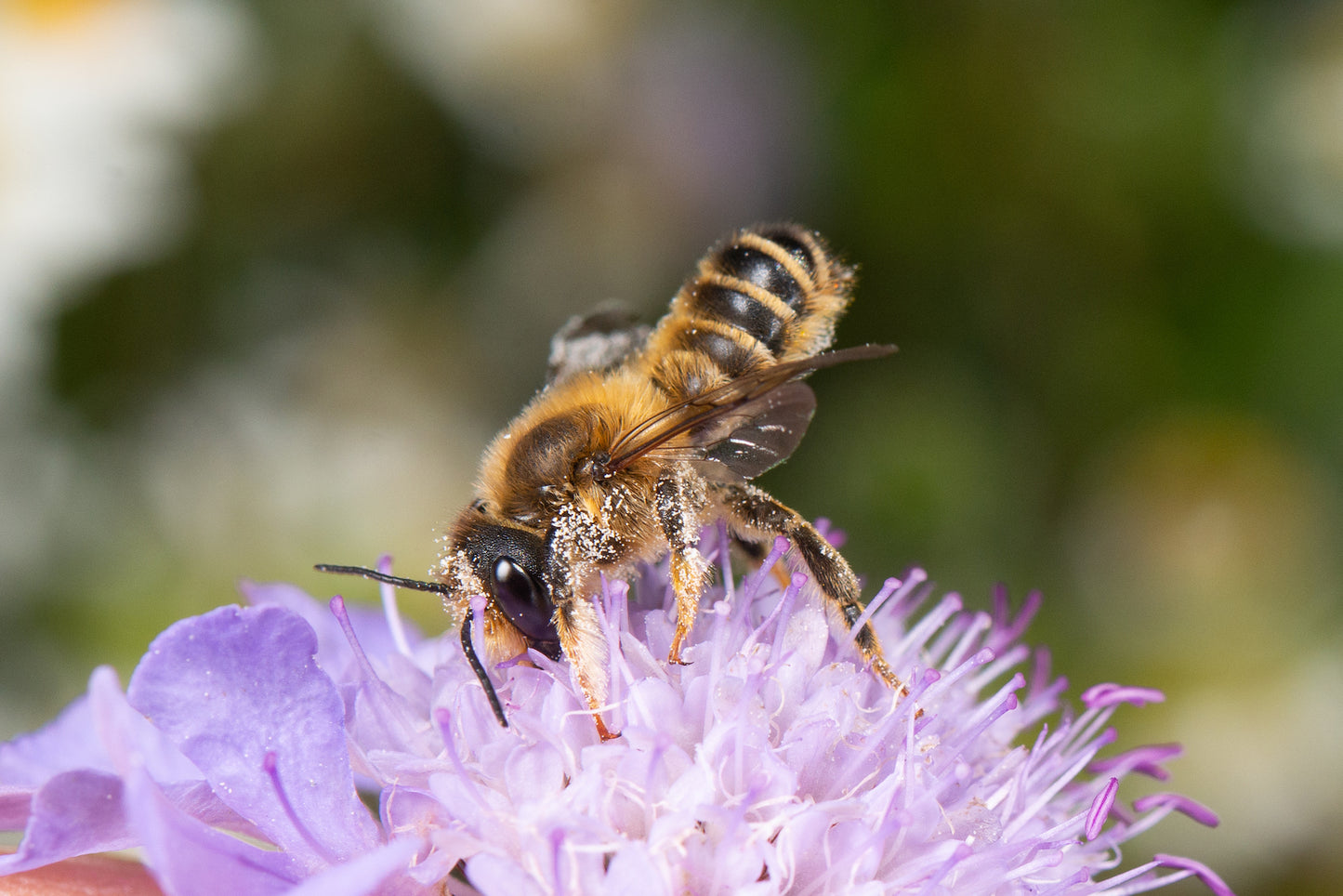
A diverse and abundant presence of native wildflowers provides the nutritional basis for native wild bees. Lean and extensively used meadows and pastures, sparse and sunny forest edges, fallow land, and also natural gardens offer a diverse range of flowers and should be promoted and protected.
Create nesting sites for wild bees
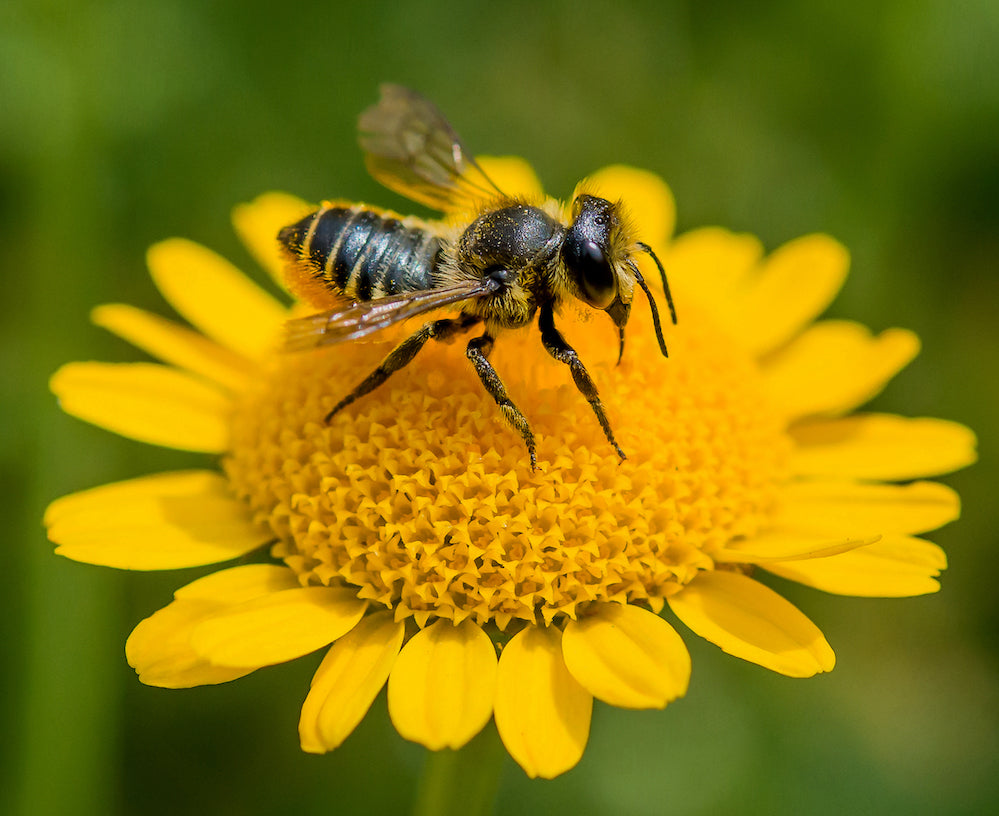
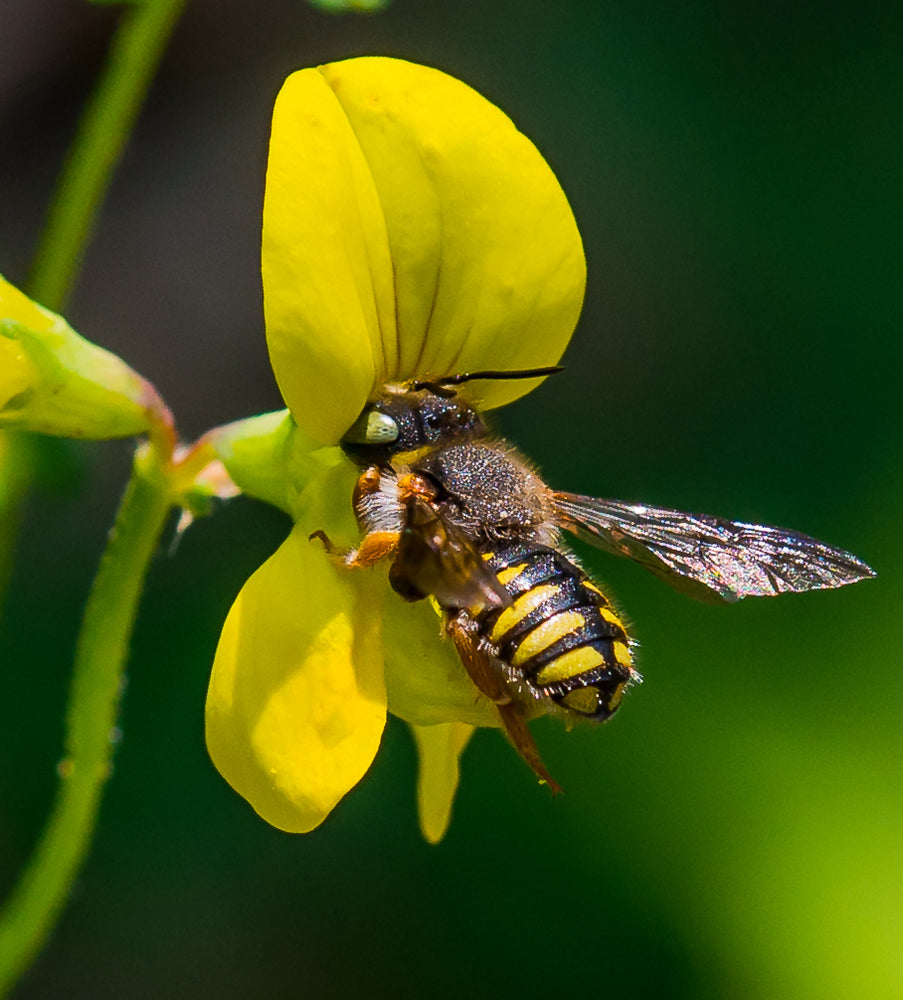
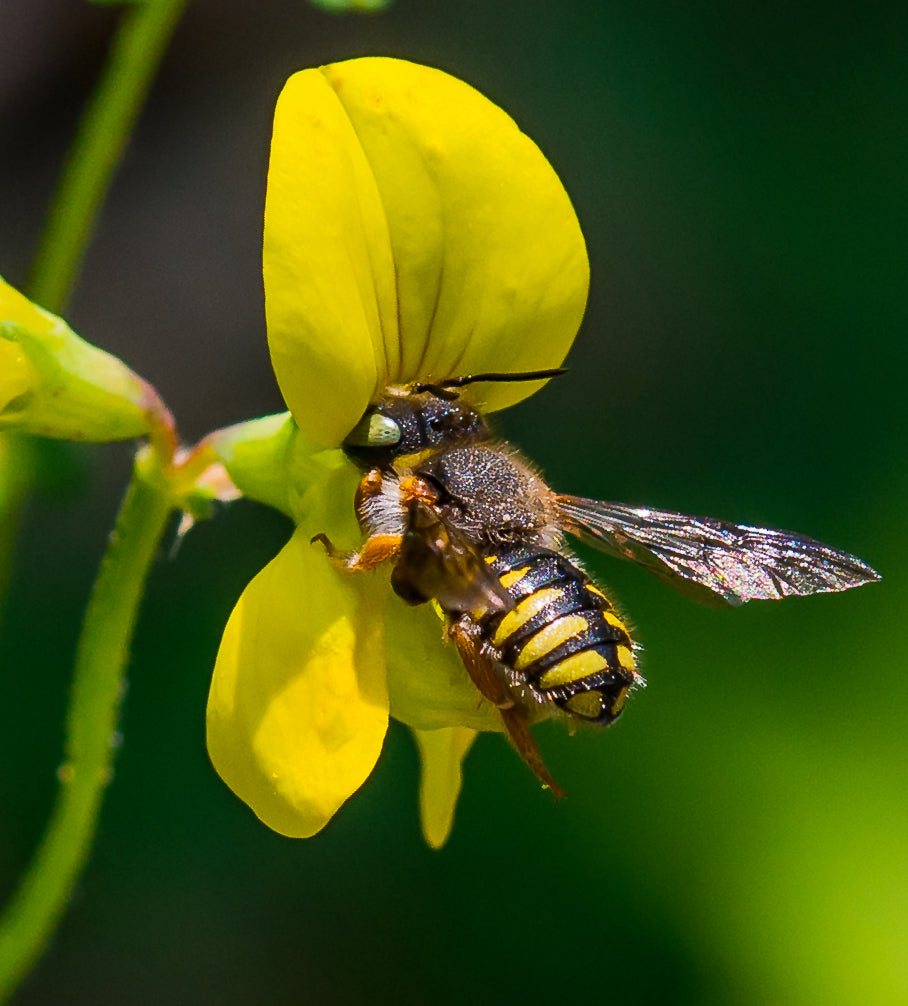
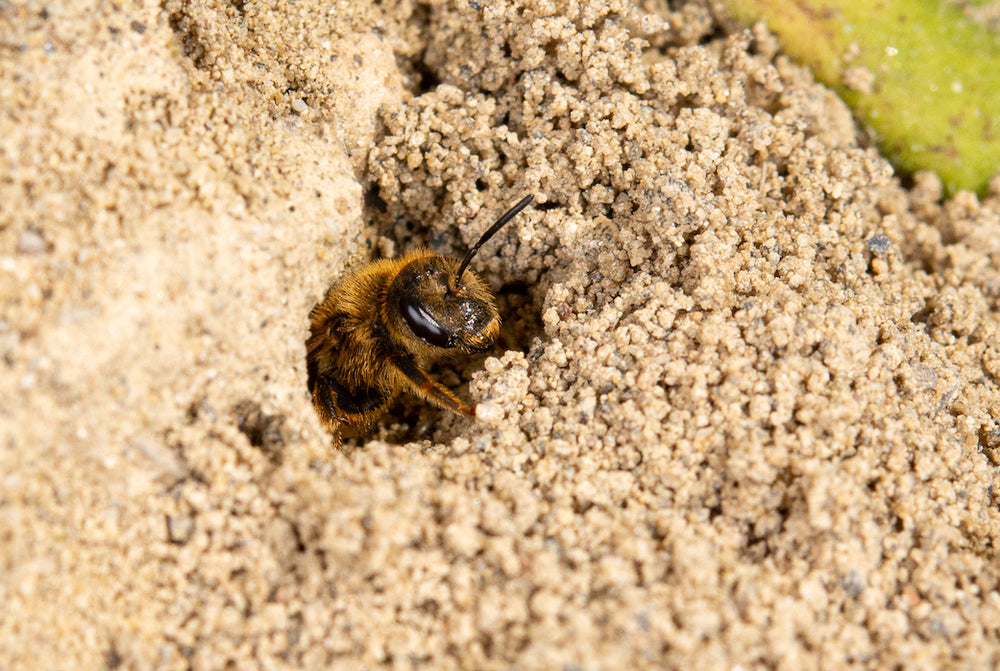
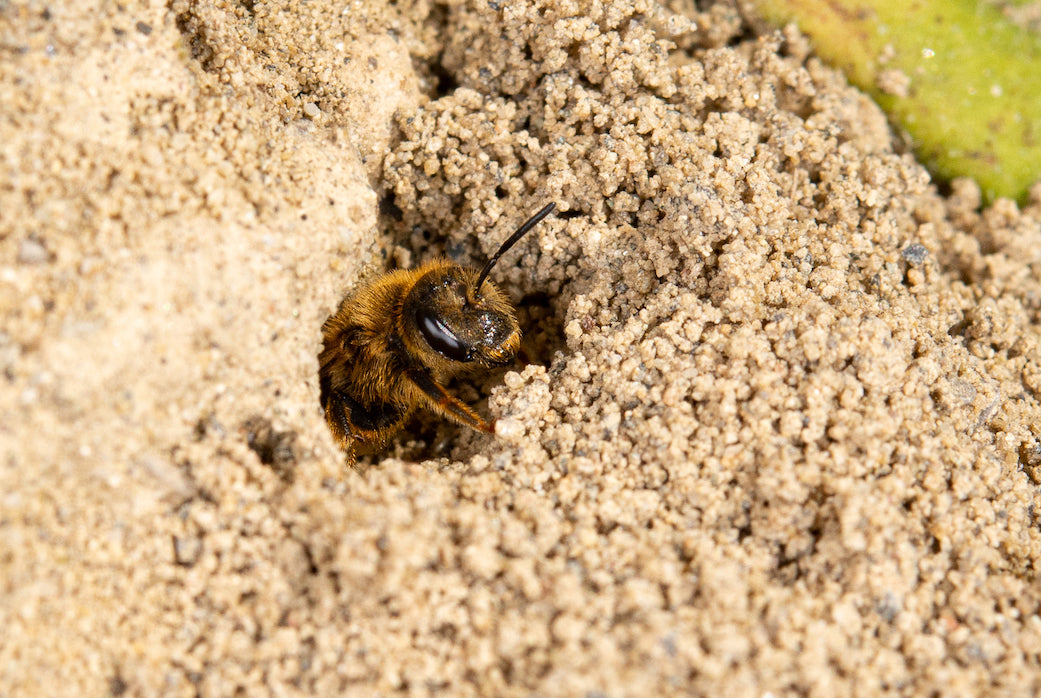
Depending on the species, wild bees use different nesting substrates to reproduce. Open, barren, and sparsely used soils are particularly important for the many rare ground-nesting species. Decaying wood and dry plant stems are also extremely valuable nesting resources. With our BeeHome, you can also support over twenty species and observe them wonderfully there.
Avoid all toxins
Toxins, over-fertilized meadows, cleared landscapes, and our urge to keep nature "in order" at all costs are the biggest threats to our wild bees. Whether insecticides or herbicides – chemical pesticides should be avoided as much as possible. Today, there are biological and environmentally friendly alternatives for all applications of these chemical toxins.
Protect near-natural areas
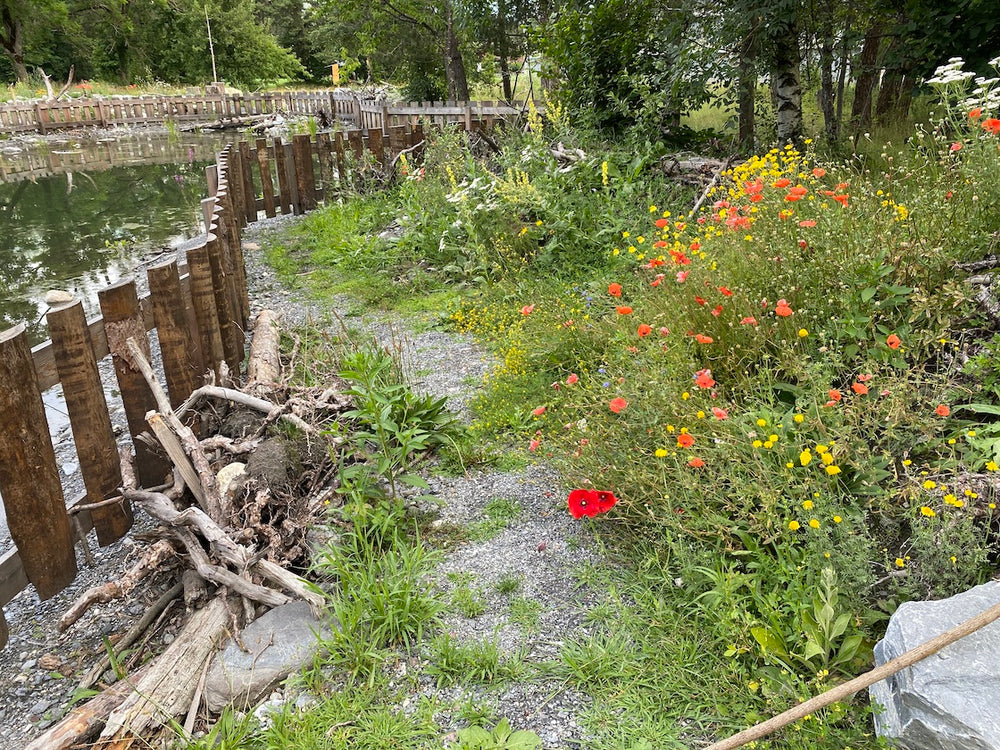
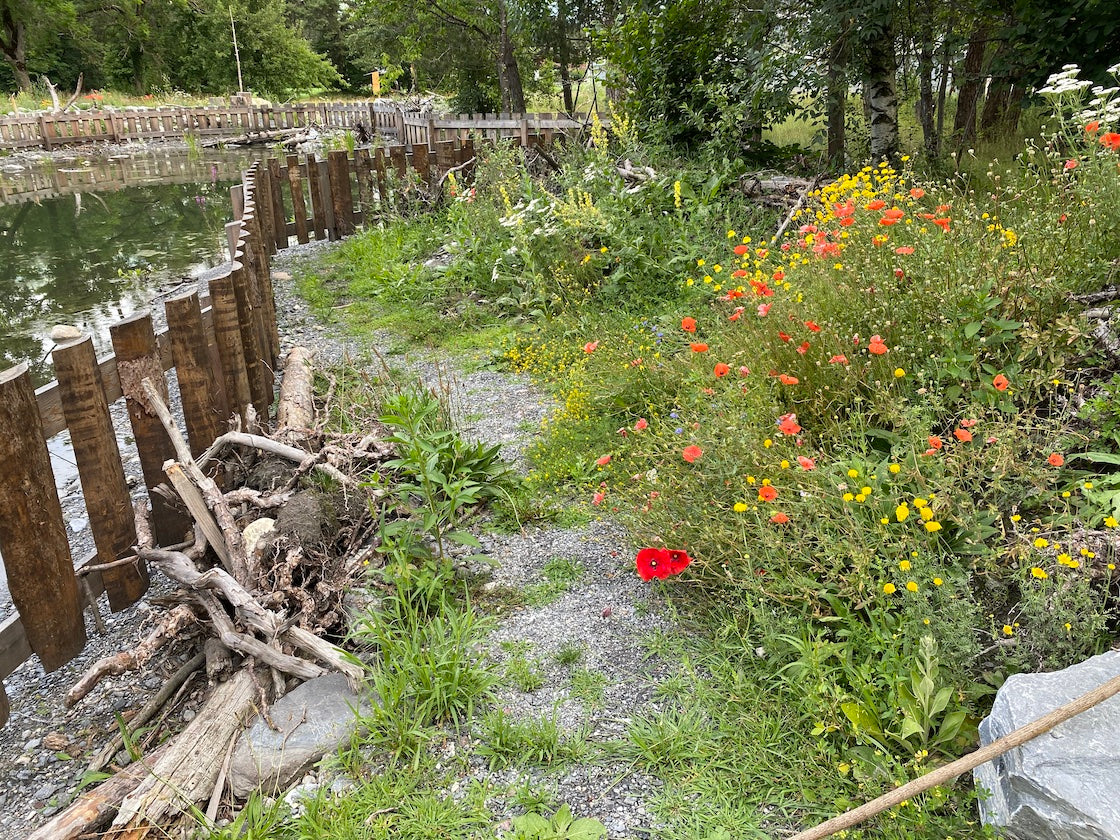
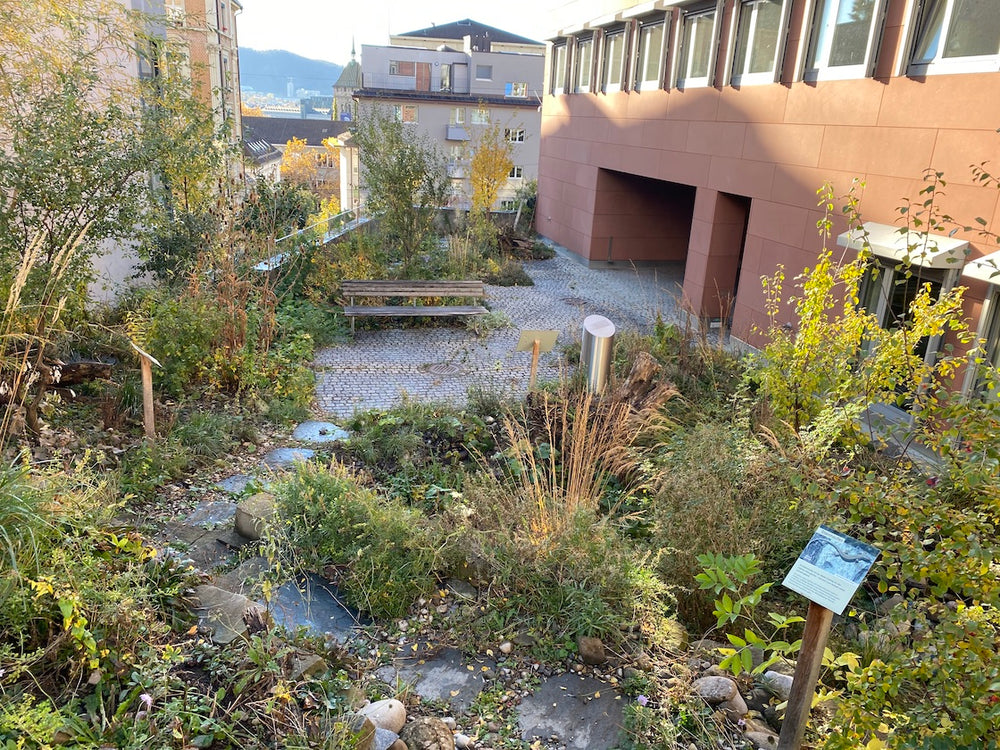
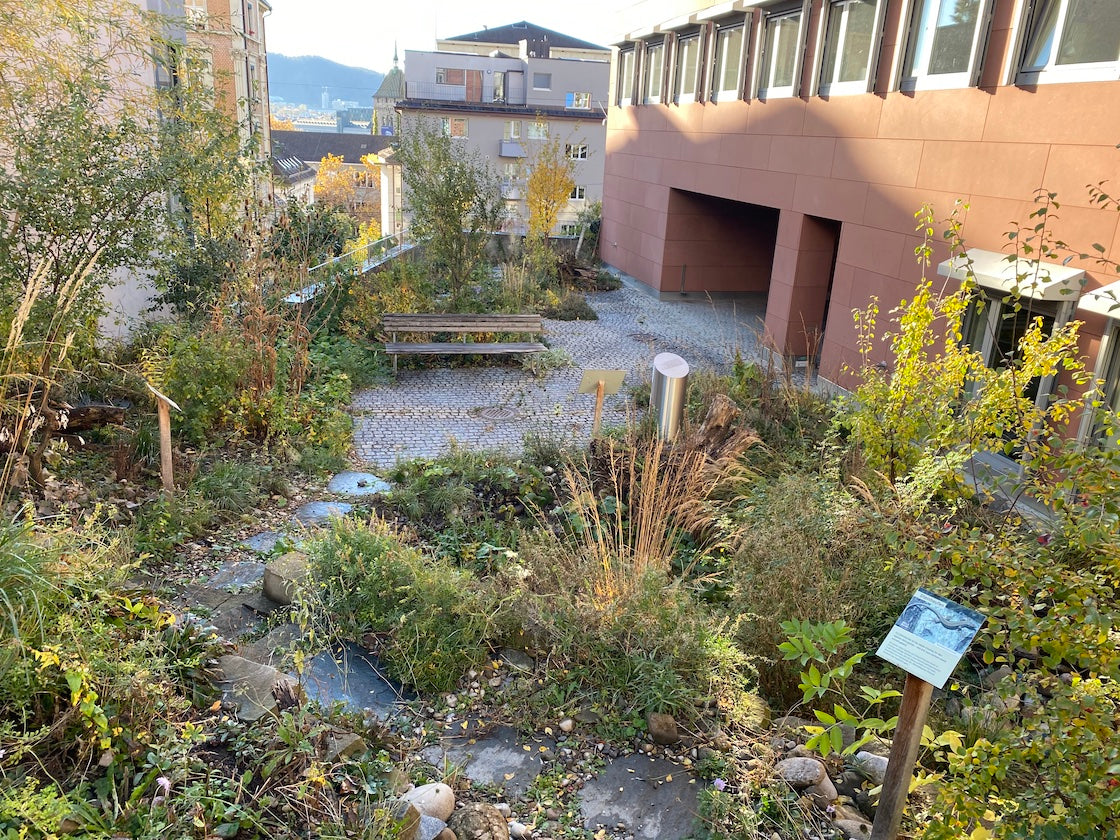
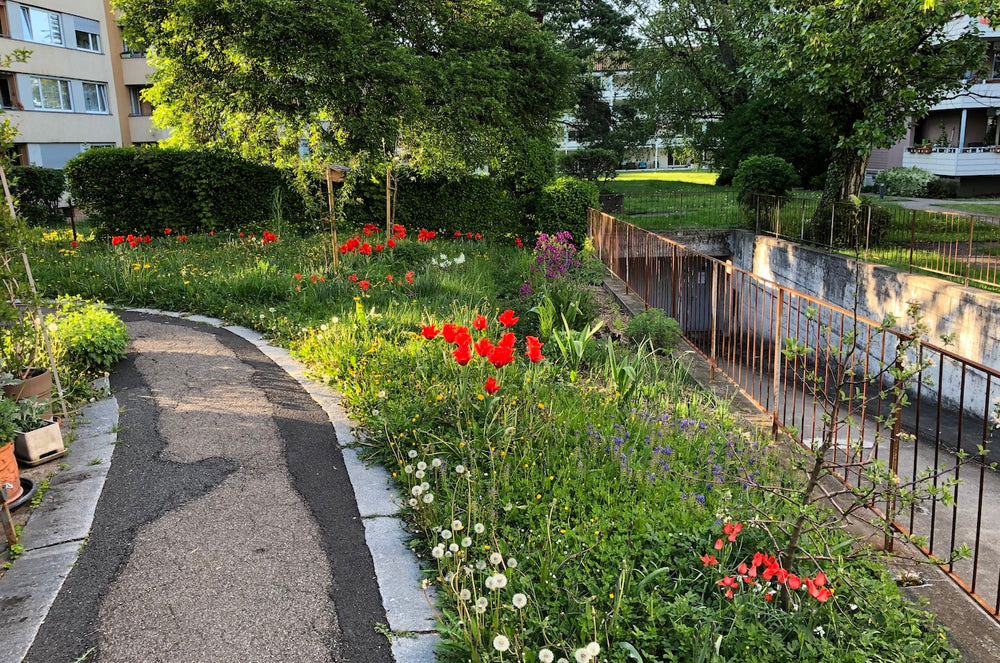
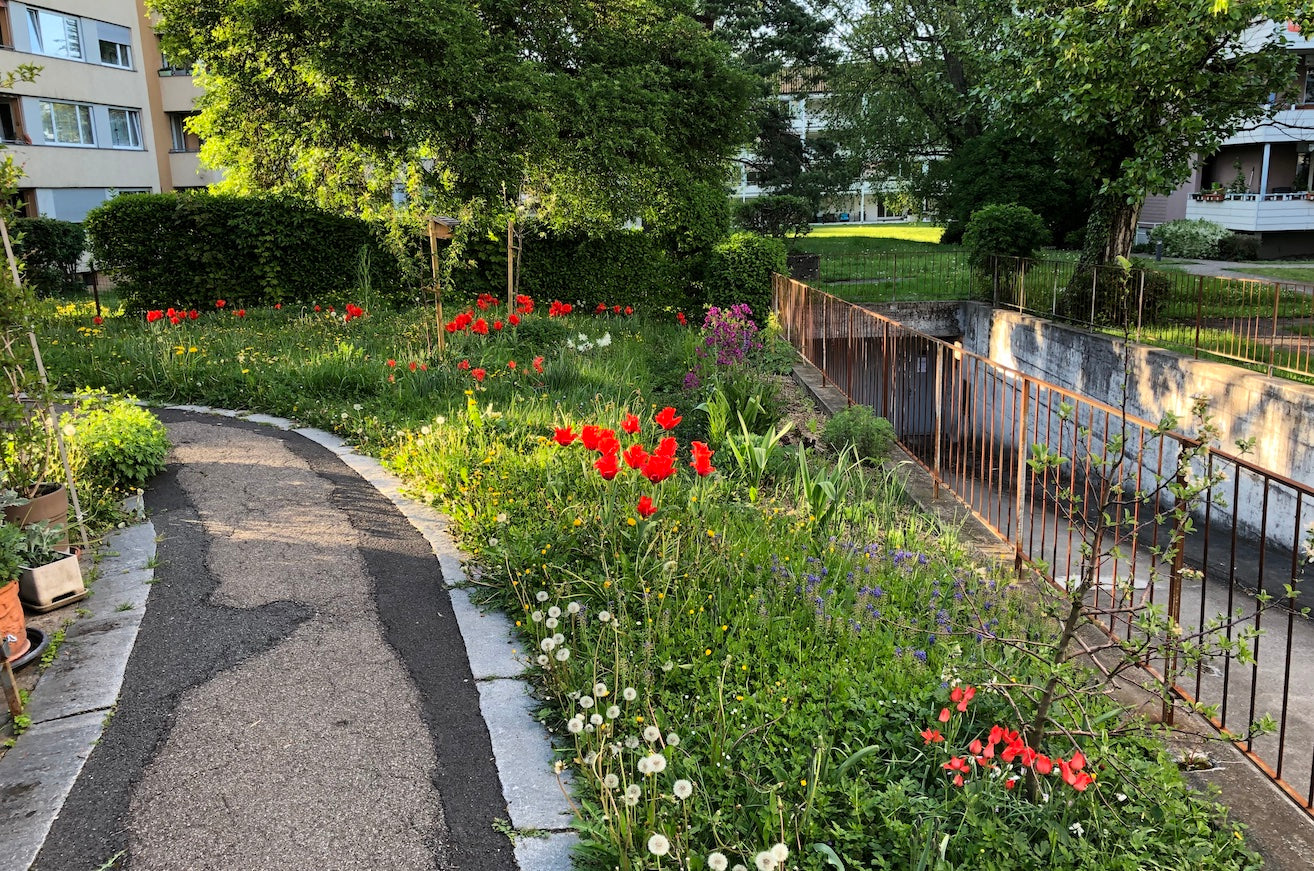
The protection and preservation of near-natural areas, which are inhabited by many wild bee species, is a particularly important and promising measure. By maintaining your garden or green spaces less intensively, you save time and money and also create an increased food supply and more nesting sites for wild bees.
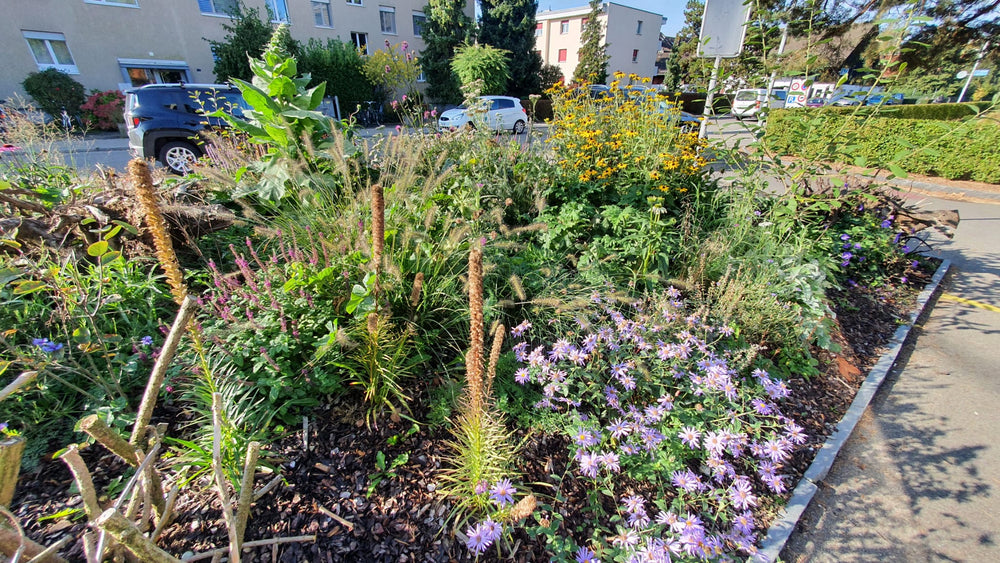
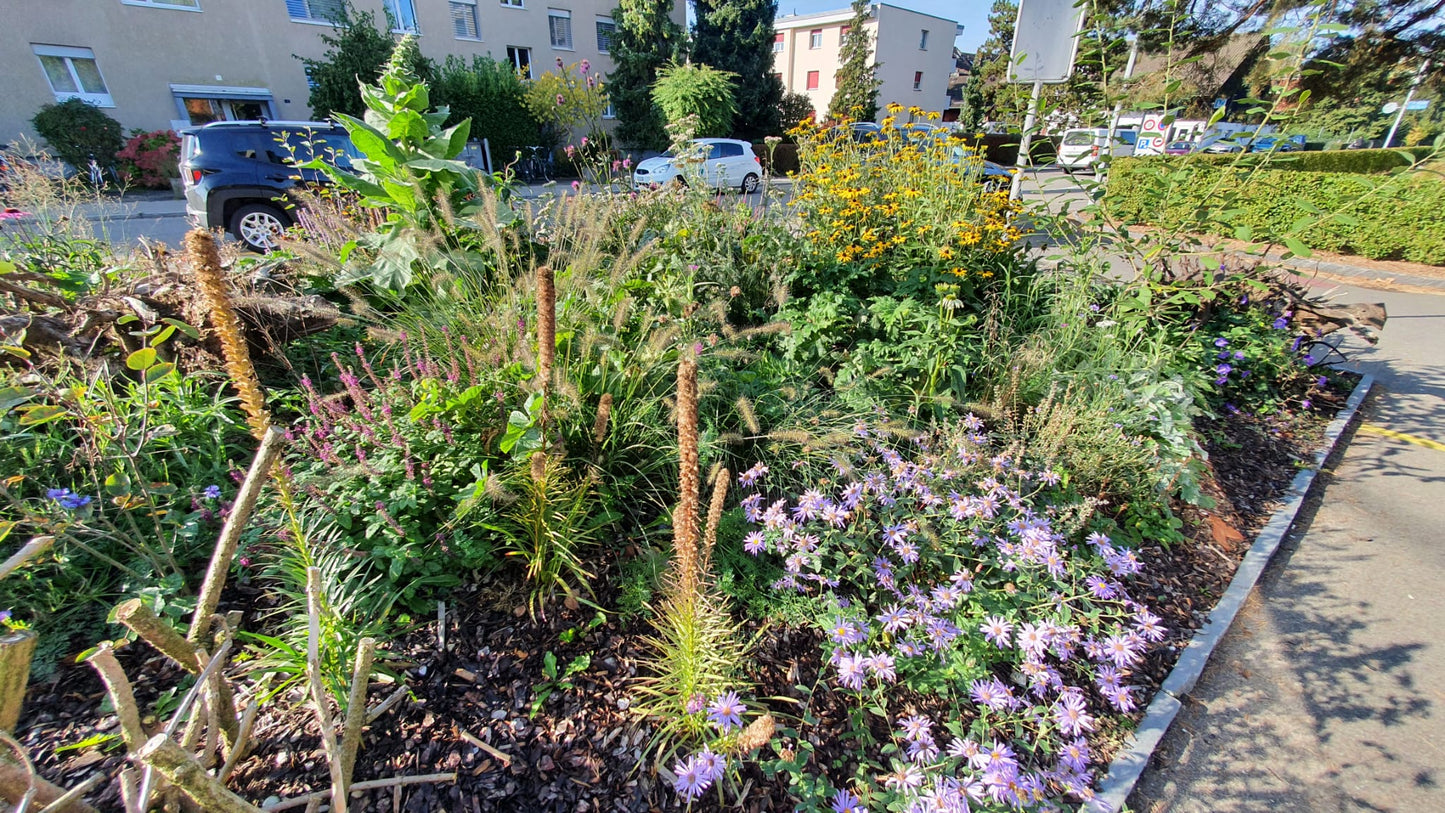
Leave small, unused corners of your garden, verges along paths, embankments and also unsealed parking areas as natural as possible. Mow (or weed) such areas no more than once or twice a year. You can even leave borders uncut for several years. Problem plants, such as invasive neophytes, should be removed before they seed.
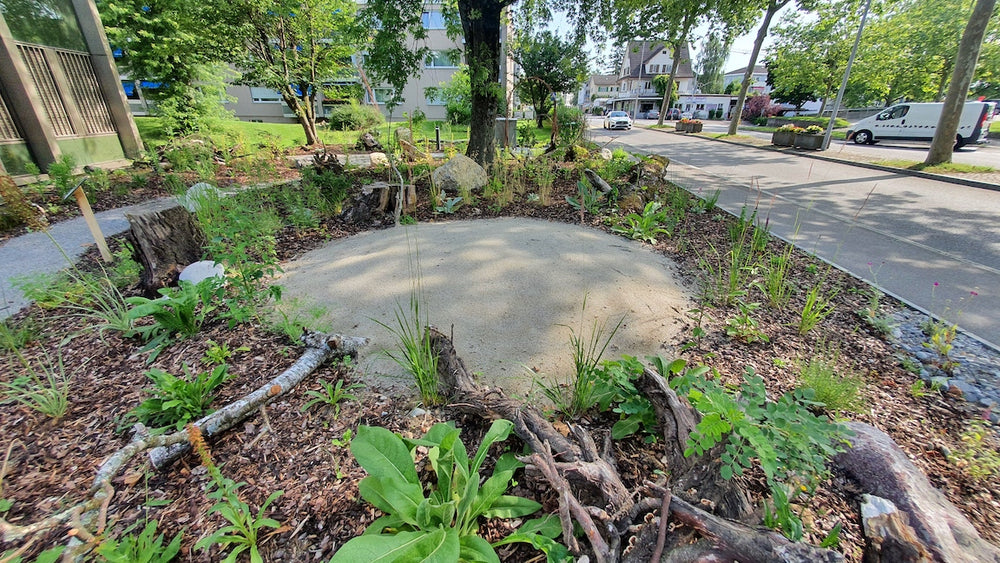
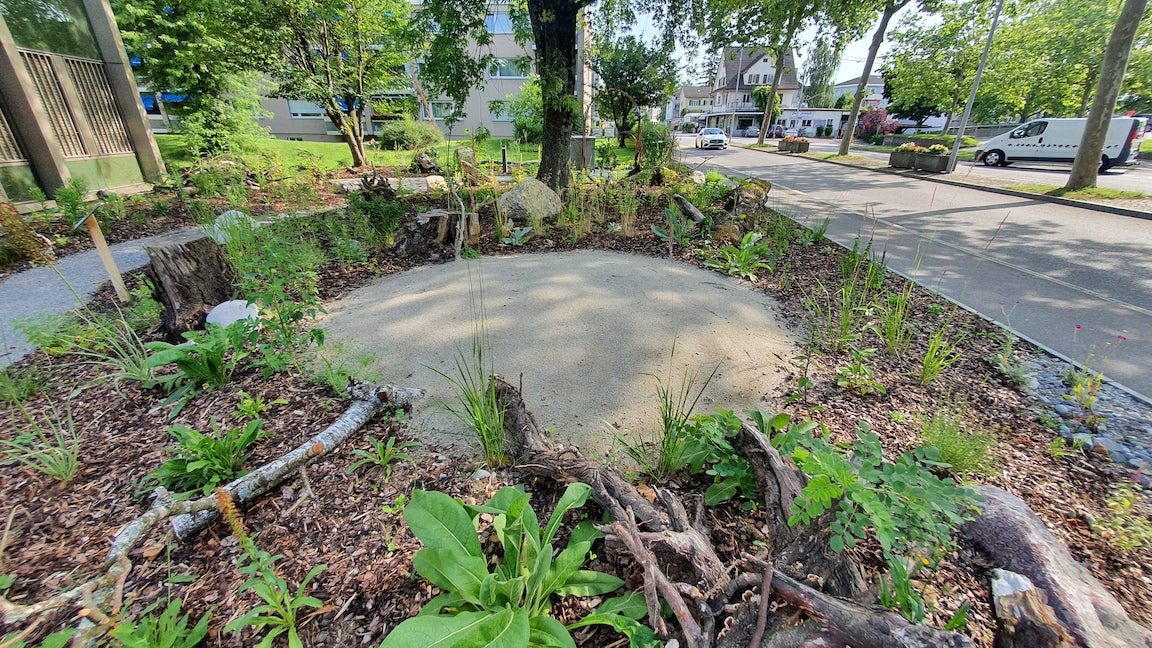
You should definitely leave existing piles of wood, sand or stone as nesting structures for wild bees. Only plant vegetation on sparsely vegetated soil areas and embankments where necessary.
Avoid Sealing
Start by consciously looking at surfaces in parking lots, paths, tree pits, and along house walls. Here, you have the opportunity to make a difference by leaving the ground unsealed. Keep the joints between paving slabs or cobblestones open and choose a natural sand-gravel mixture as a filler. These measures not only allow rainwater to seep away but also create valuable habitats.
Try to mow or weed spontaneously emerging flowering plants between the slabs as rarely as possible. If you leave the ground between stone slabs or cobblestones undisturbed, nesting sites for wild bees can emerge here.
Make a contribution and start your BeeHome now
With a BeeHome wild bee house, you can easily observe exciting and beautiful wild bee species in your own garden or on your balcony. We hope that the fascinating experience with the BeeHome will encourage you to take further measures to promote wild bees.