

Habitat
Important Nesting Sites and Structures for Wild Bees
In addition to the right food supply for wild bees, the right nesting sites are also needed. Depending on the species, these can be found in sparsely vegetated areas of the ground, in sandy areas, cavities, deadwood, or other numerous structures. On this page, we would like to introduce you to a selection of nesting sites.
Where do nesting sites for wild bees make sense?
It is important that nesting sites are created directly in the vicinity of flower-rich habitats. This saves wild bees long flight distances and allows them to invest more energy in raising their brood. Sunny and dry places with rather lean soil, preferably on a south-facing slope, are particularly suitable for wild bees.
There is no minimum size for areas to create nesting sites for wild bees. Larger areas have a greater impact, but several smaller areas at different locations are also useful in urban areas.
Nesting Sites for Ground-Nesting Wild Bees
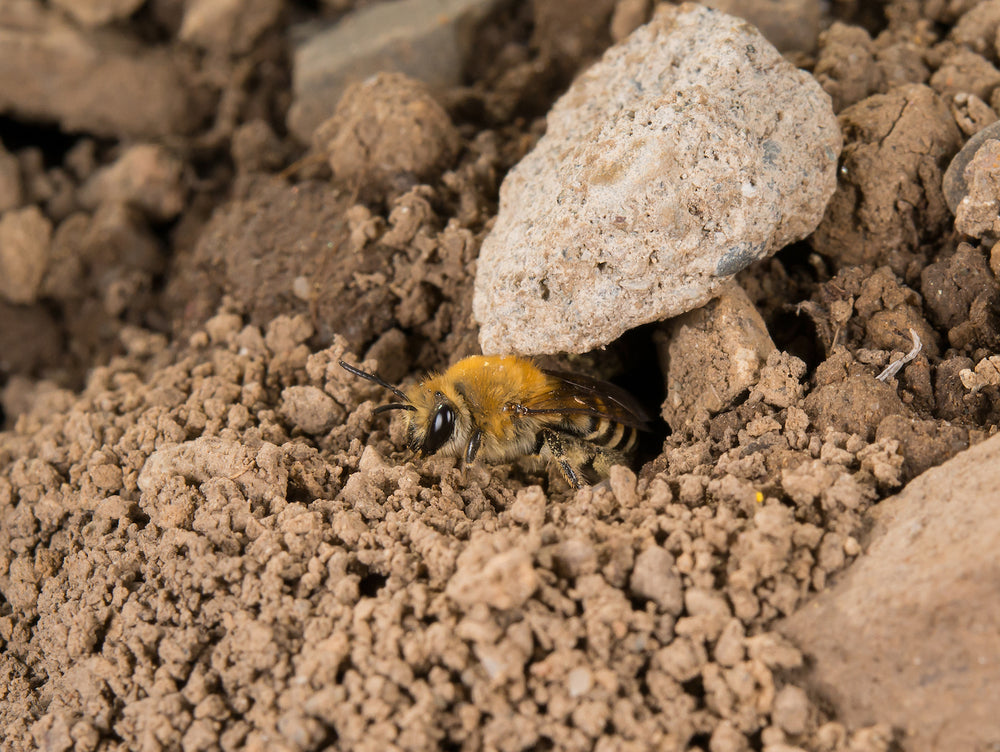
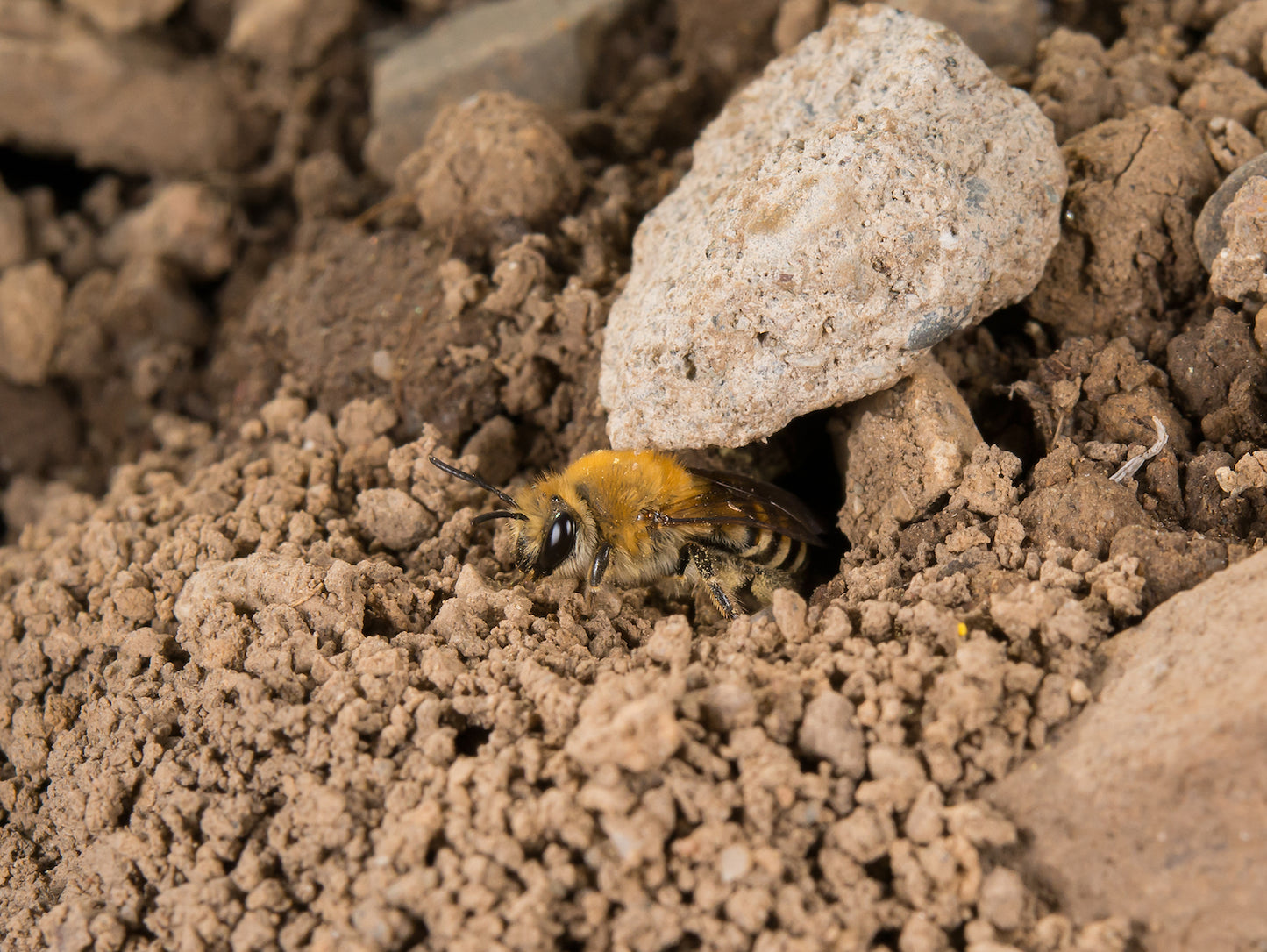
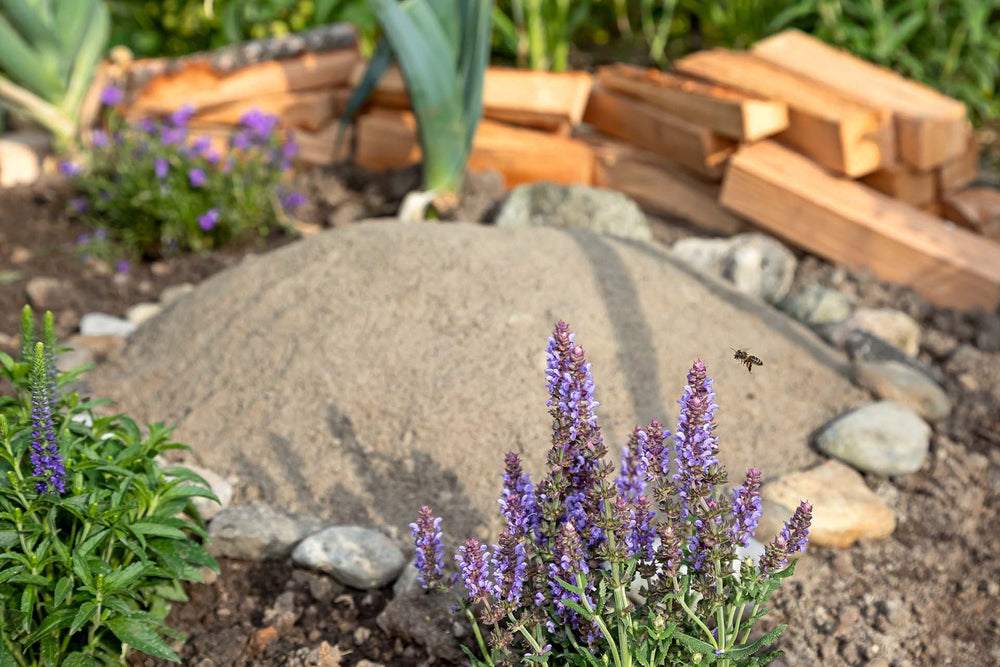
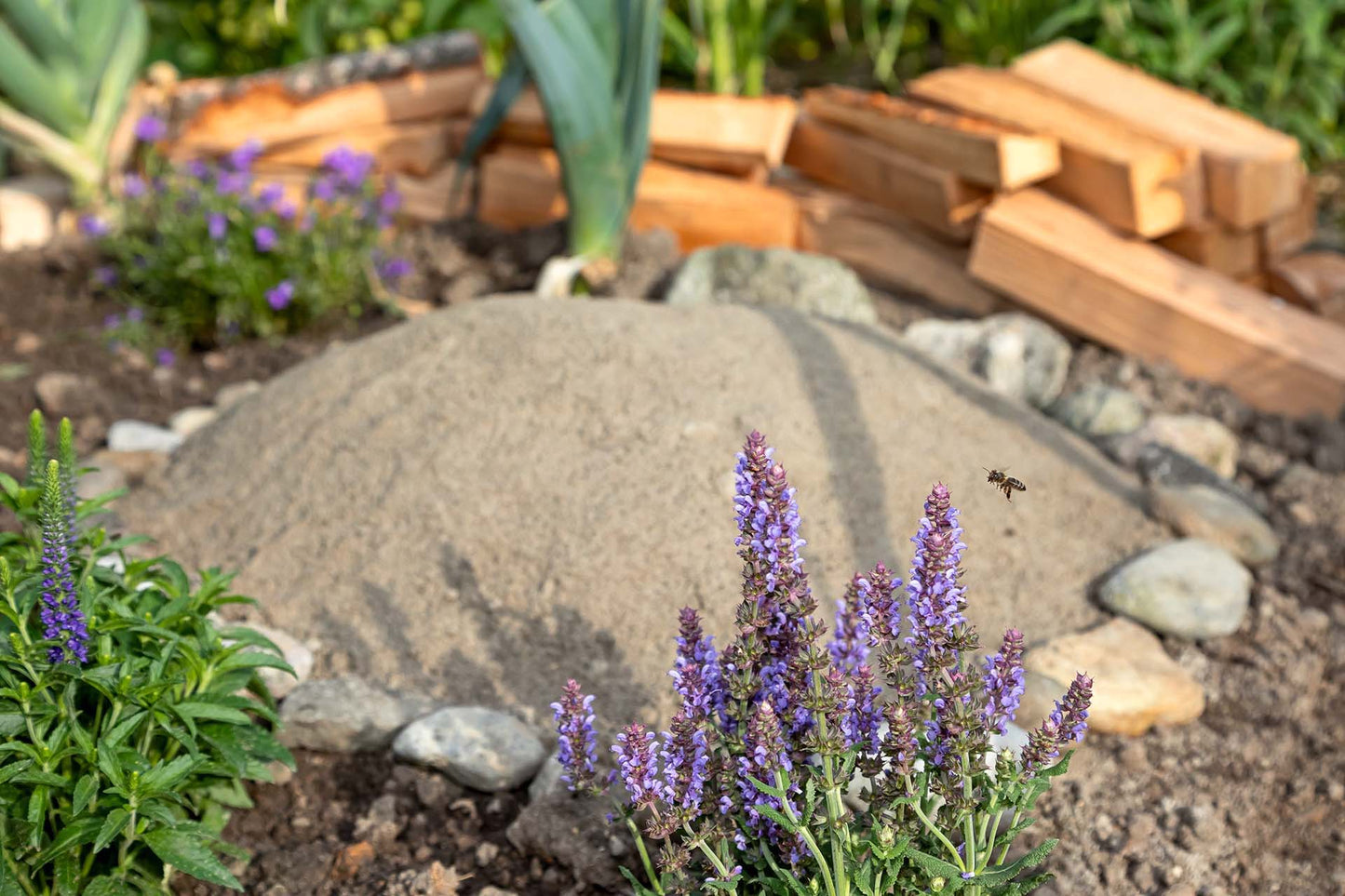
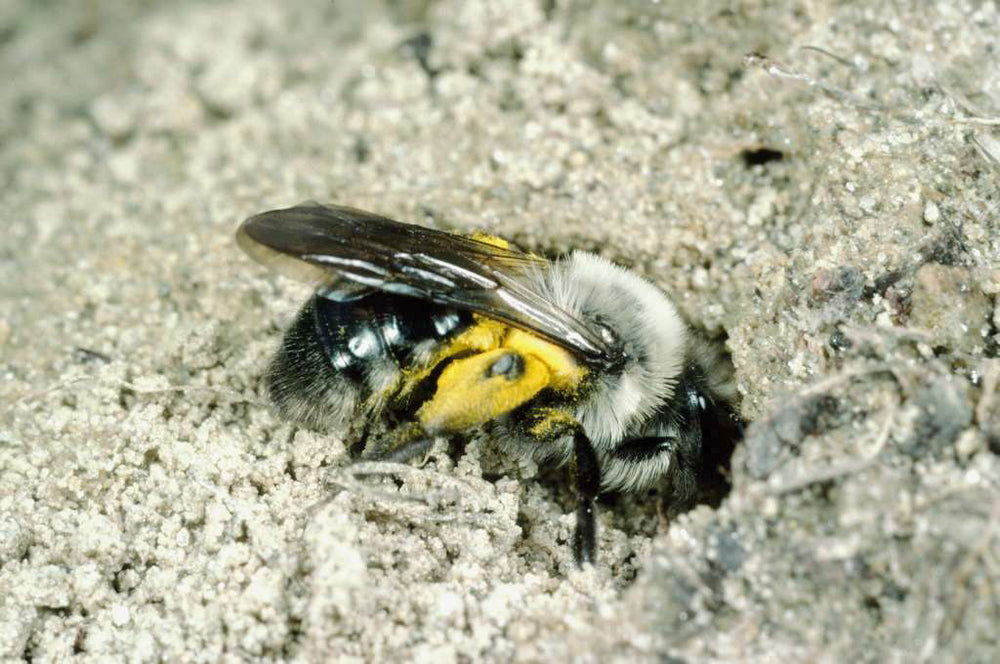
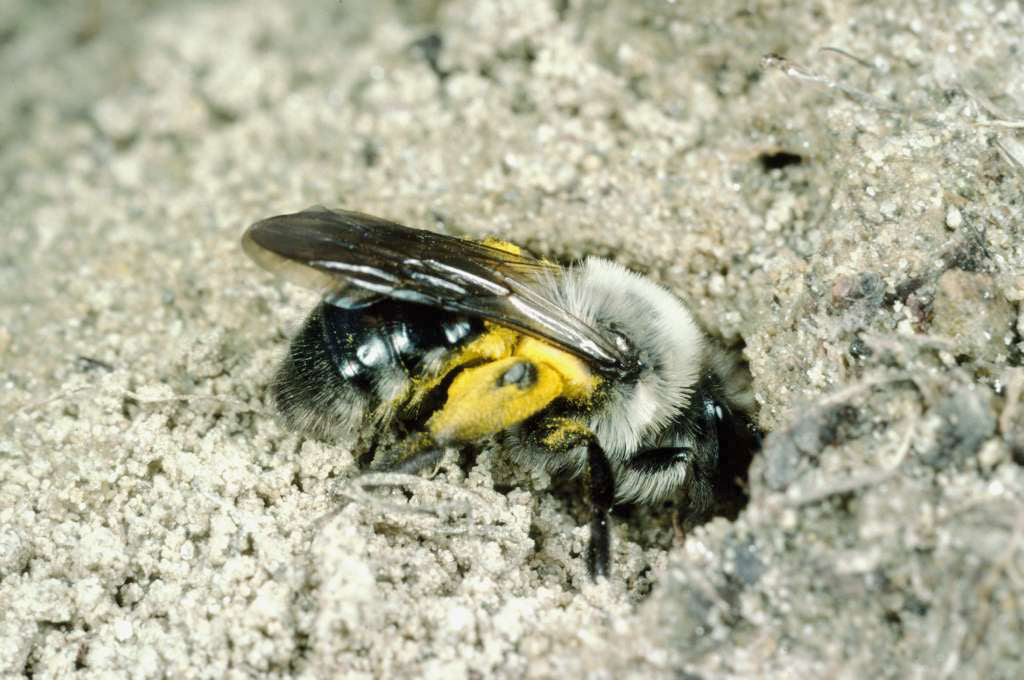
Approximately three-quarters of our native, nest-building bee species use the soil as a nesting site and require specific conditions for this. It is particularly noteworthy that many of the endangered species belong to this group. Therefore, it is of great importance to support and promote their habitats by providing open soil structures.
These ground-nesting wild bee species are characterized by their ability to dig tunnels that can range from a few centimeters to a meter in depth. At the end of these tunnels, they set up their brood cells. To support these important species, you can, for example, create sand patches or ensure that natural soil embankments do not become overgrown. Commonly found species that nest in the soil include mining bees, long-horned bees, plasterer bees, and furrow bees.
Nesting Sites for Cavity-Nesters
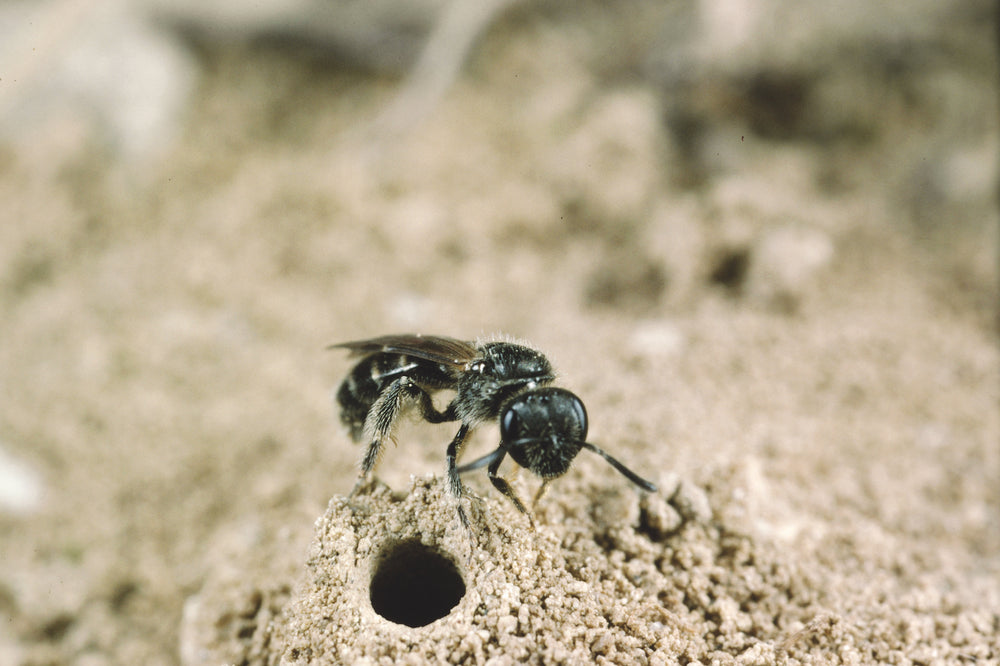
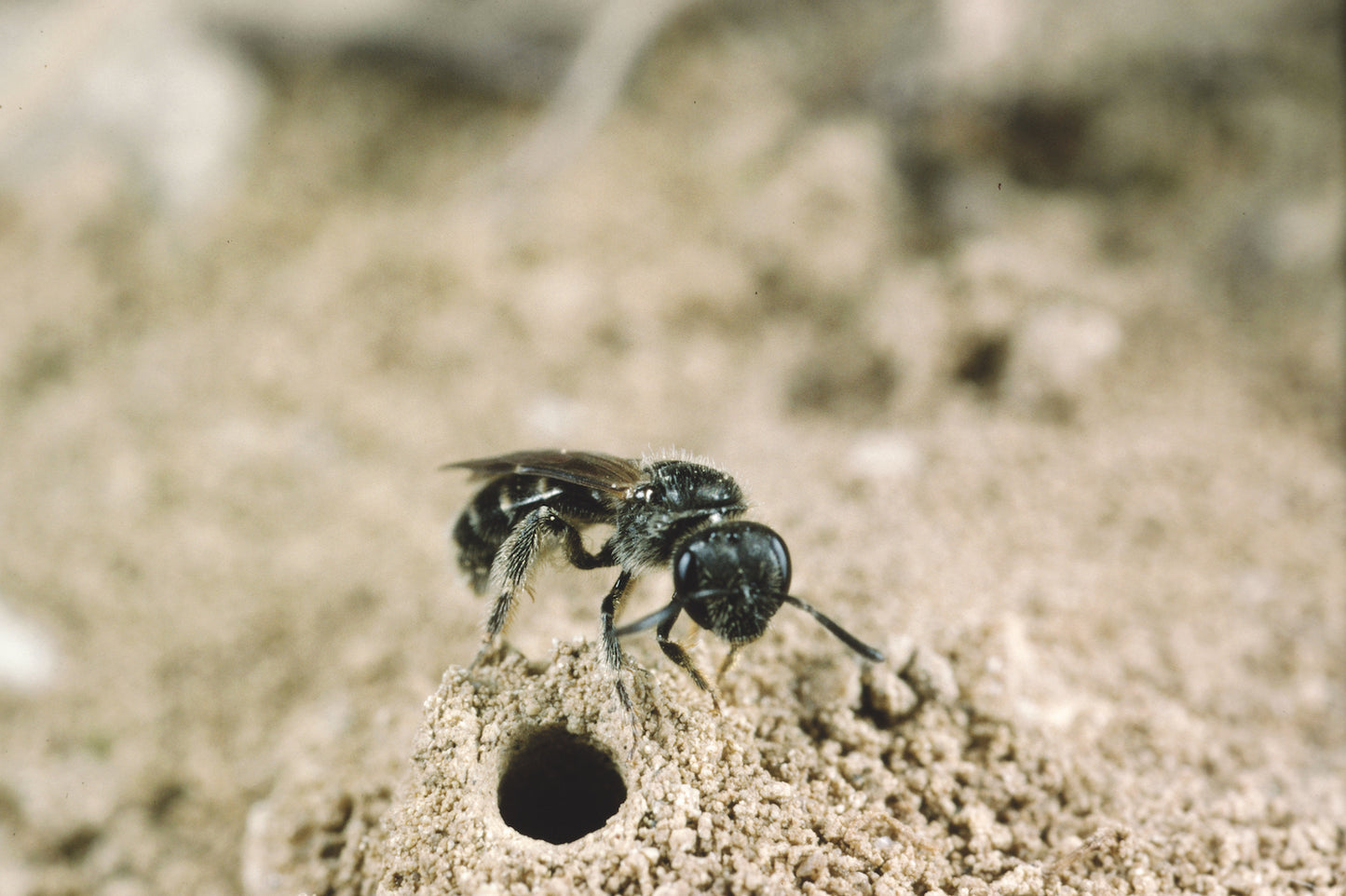
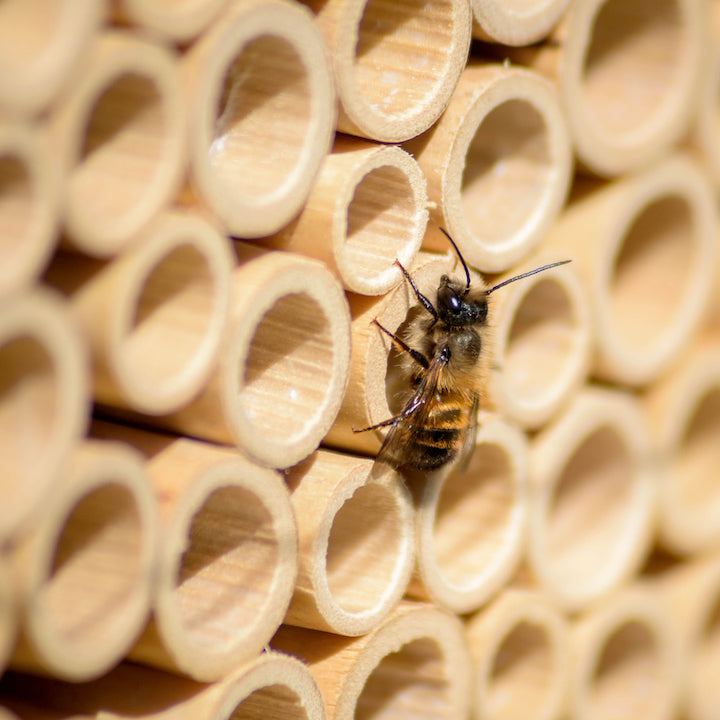
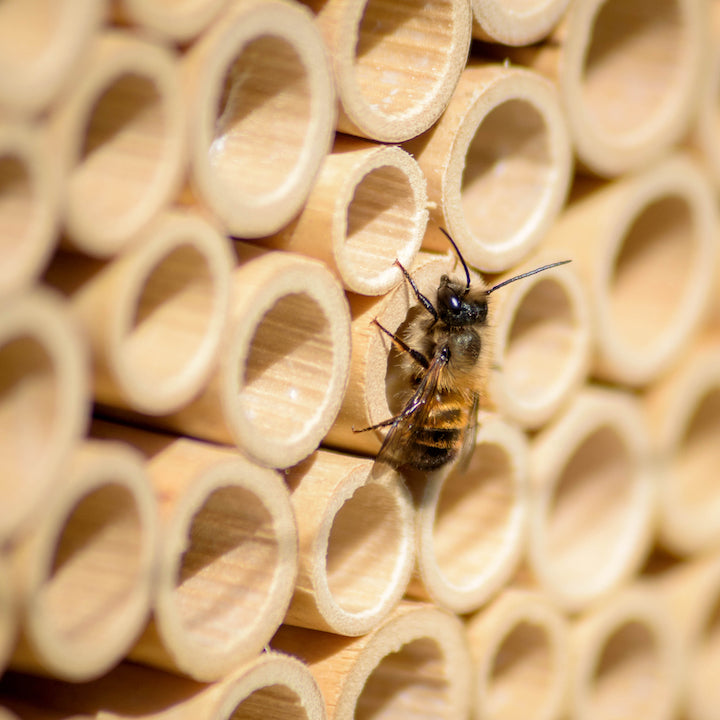
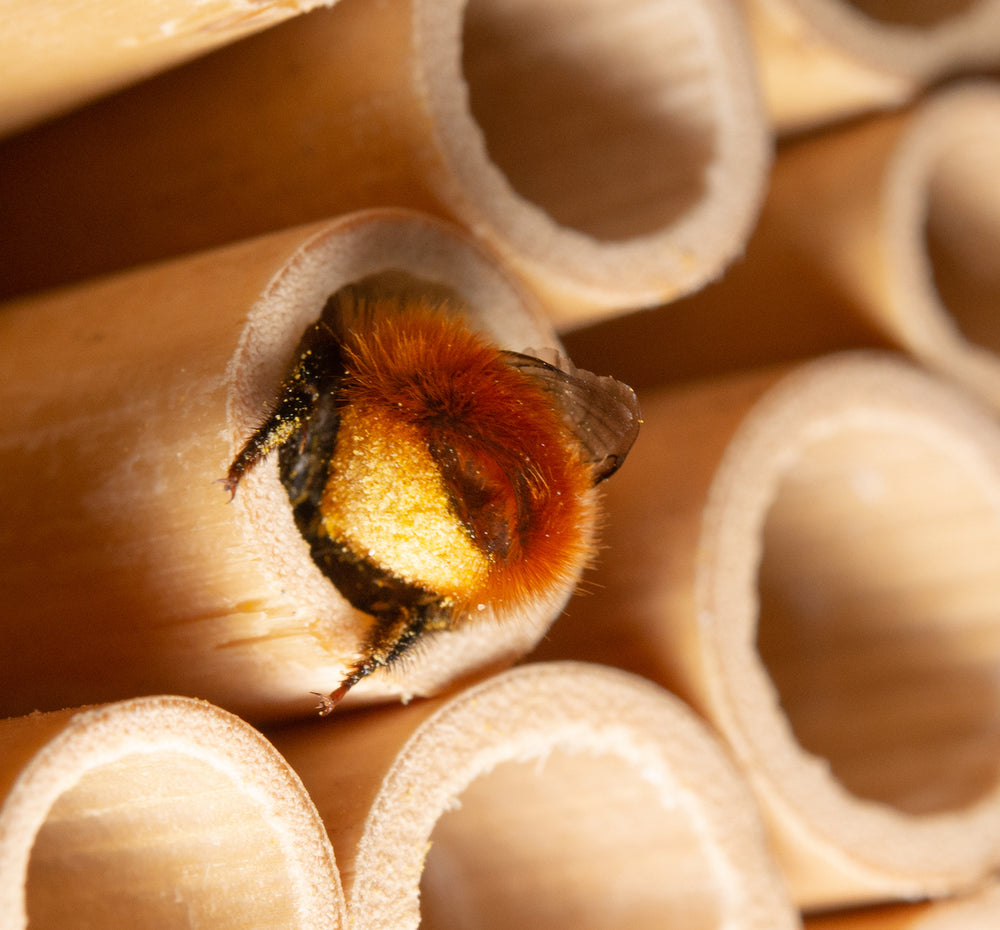
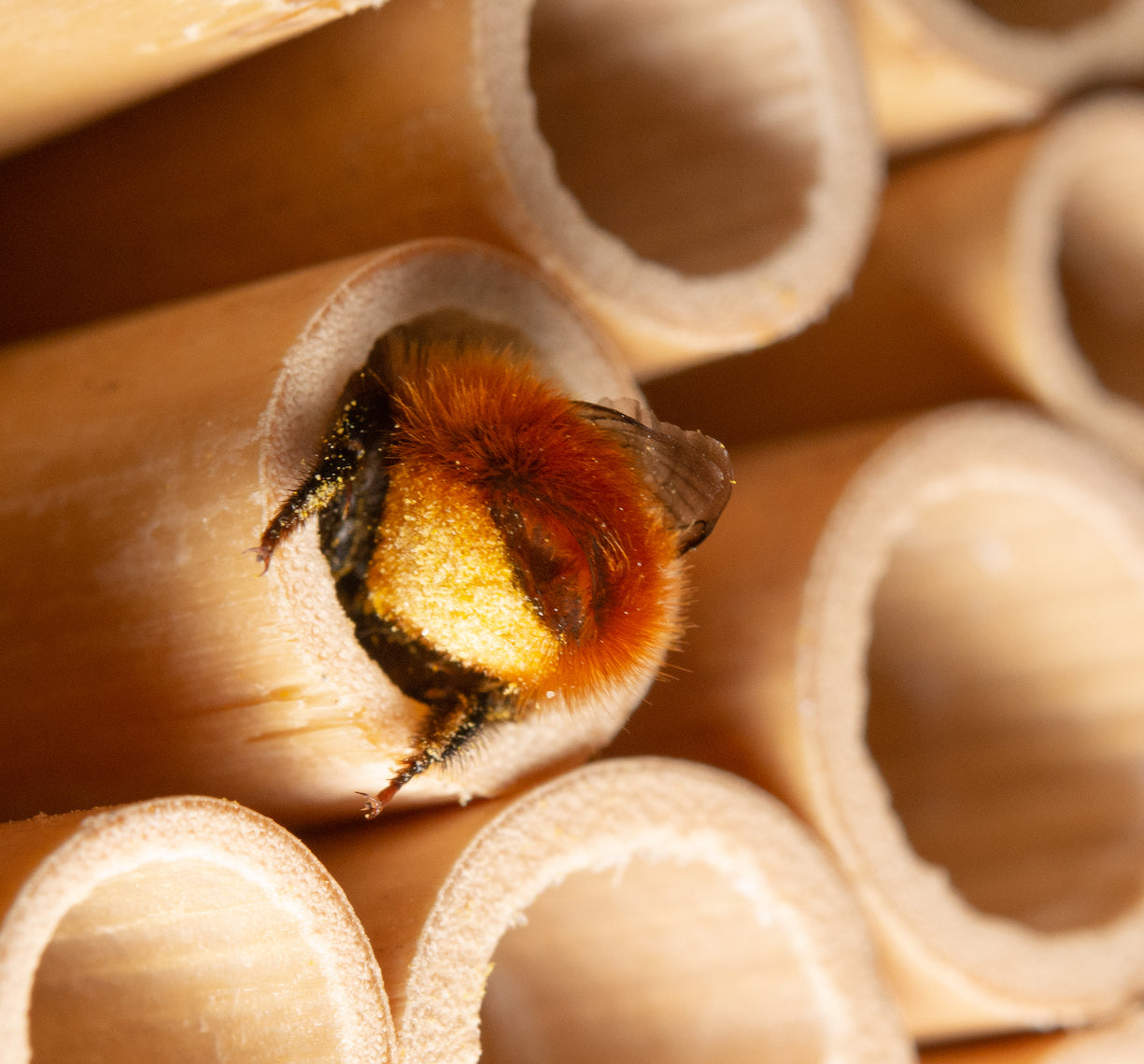
Within the fascinating world of wild bees, cavity-nesters form a significant group, accounting for about twenty percent of native wild bees. Unlike other species that are capable of drilling their own holes, cavity-nesters rely on pre-existing tunnels.
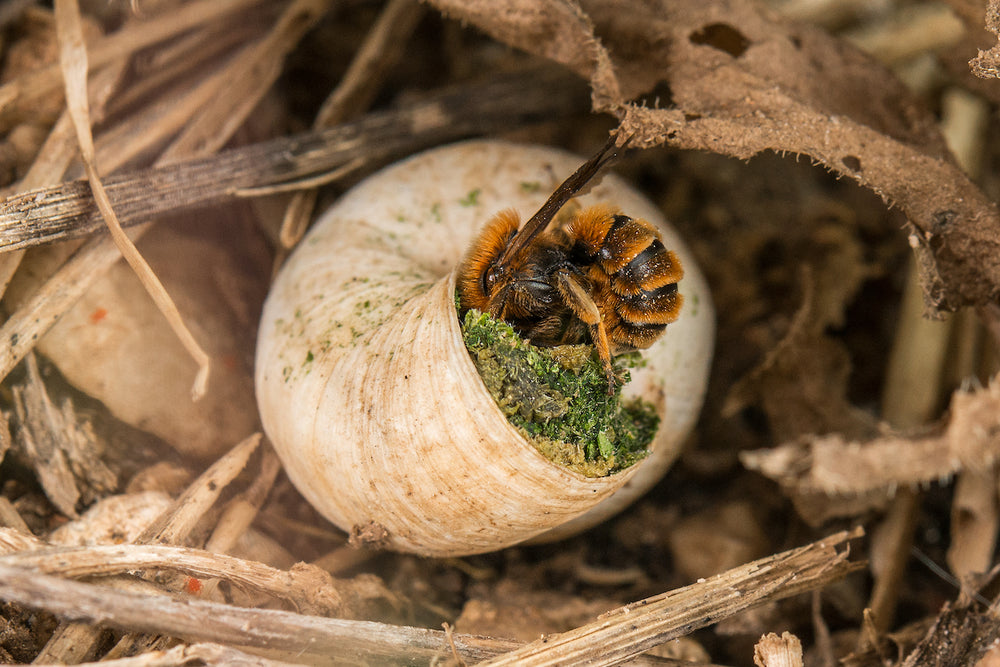
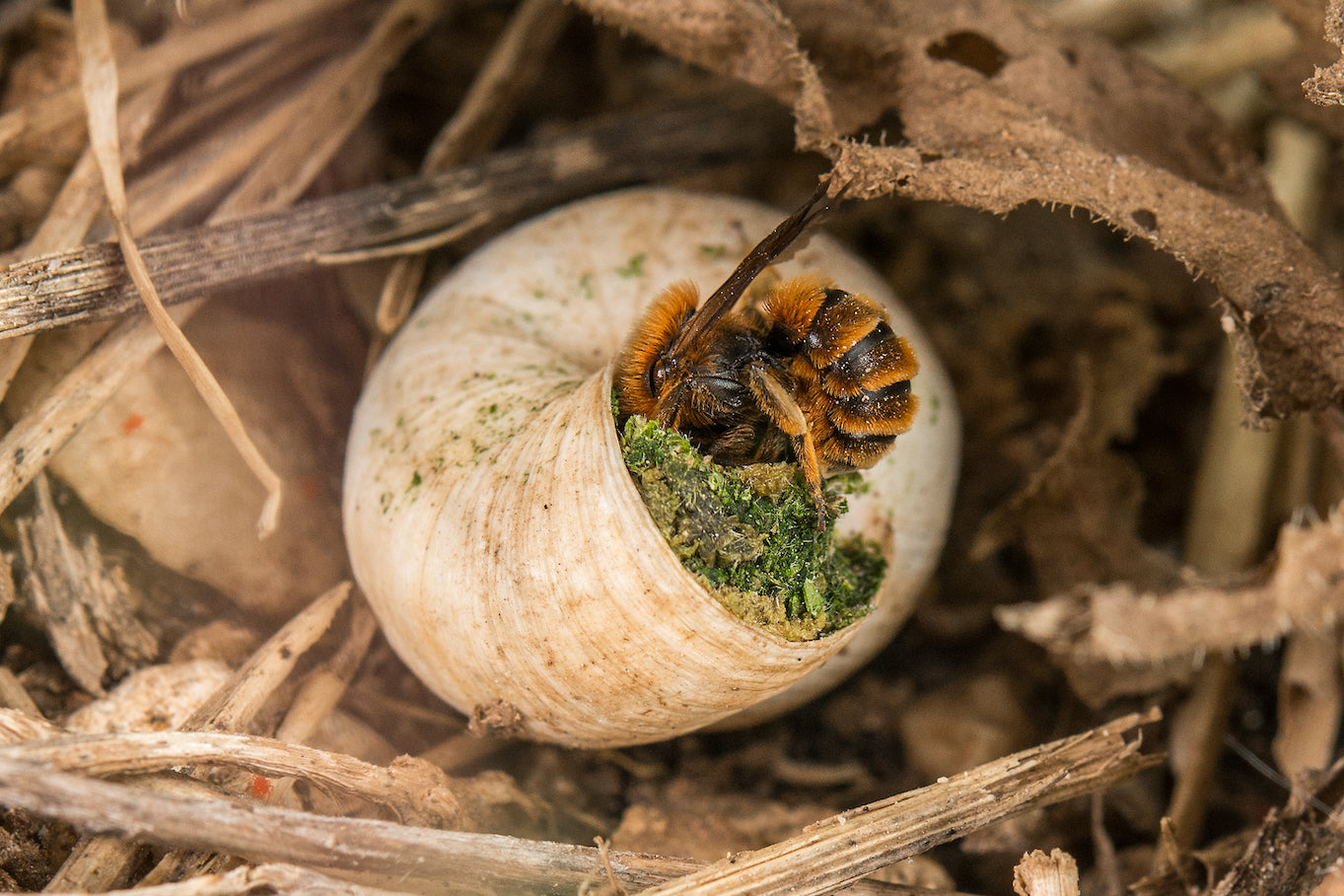
In their natural environment, they utilize diverse structures for their nests, including natural tunnels in wood drilled by beetle larvae, abandoned snail shells, or even narrow rock crevices. Among the most well-known species in this group are mason bees, leafcutter bees, wool carder bees, and scissor bees.
Your Start in Wild Bee Conservation:
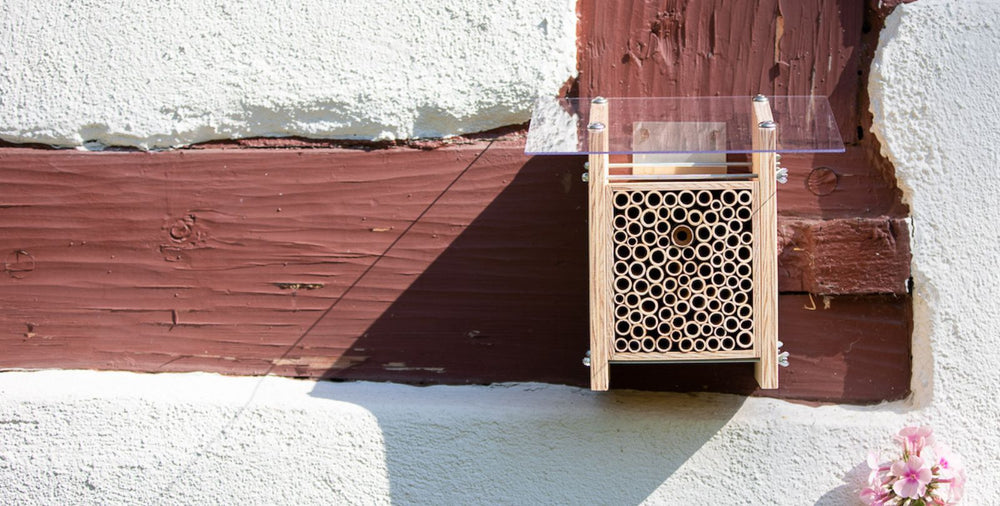
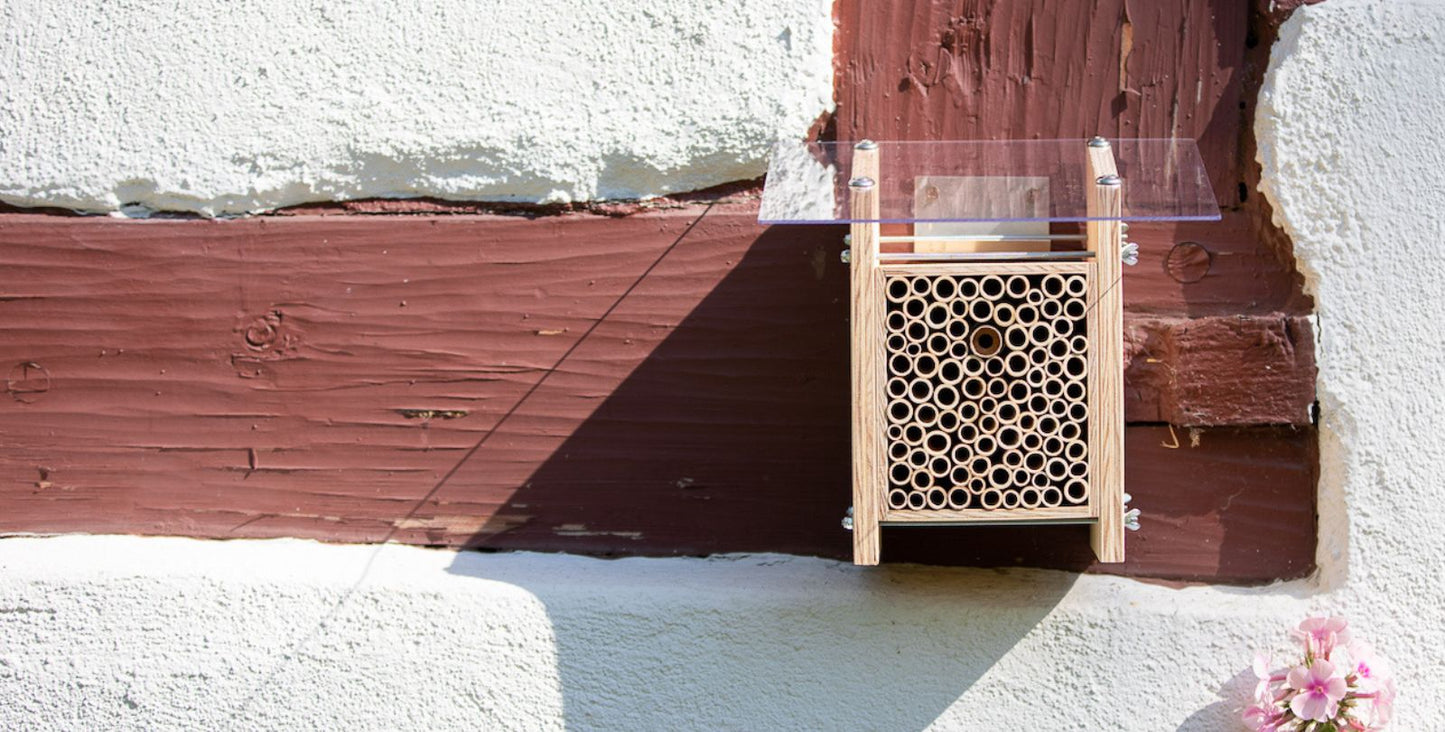
Our wild bee house BeeHome offers the perfect introduction to the world of wild bees. The BeeHome was developed by biologists and wild bee experts to meet the specific requirements of certain cavity-nesting bees. The BeeHome includes a voucher for cocoons of the red mason bee, guaranteeing a fascinating wild bee experience right from the start. With the BeeHome and the right plants for these busy pollinators, nothing stands in the way of your own little wild bee paradise. Let's go!
Stem structures
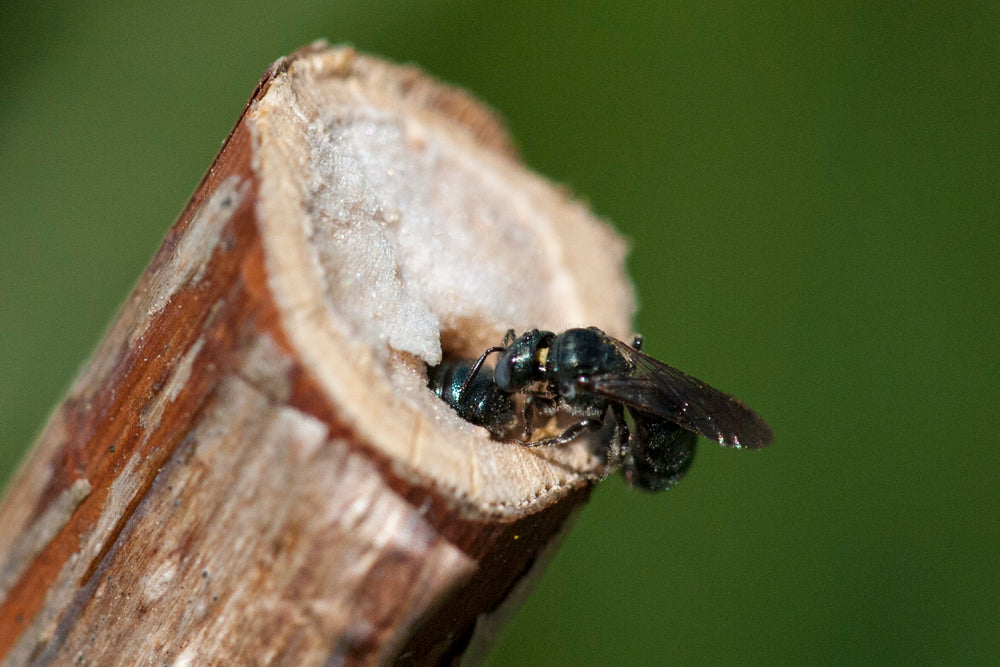
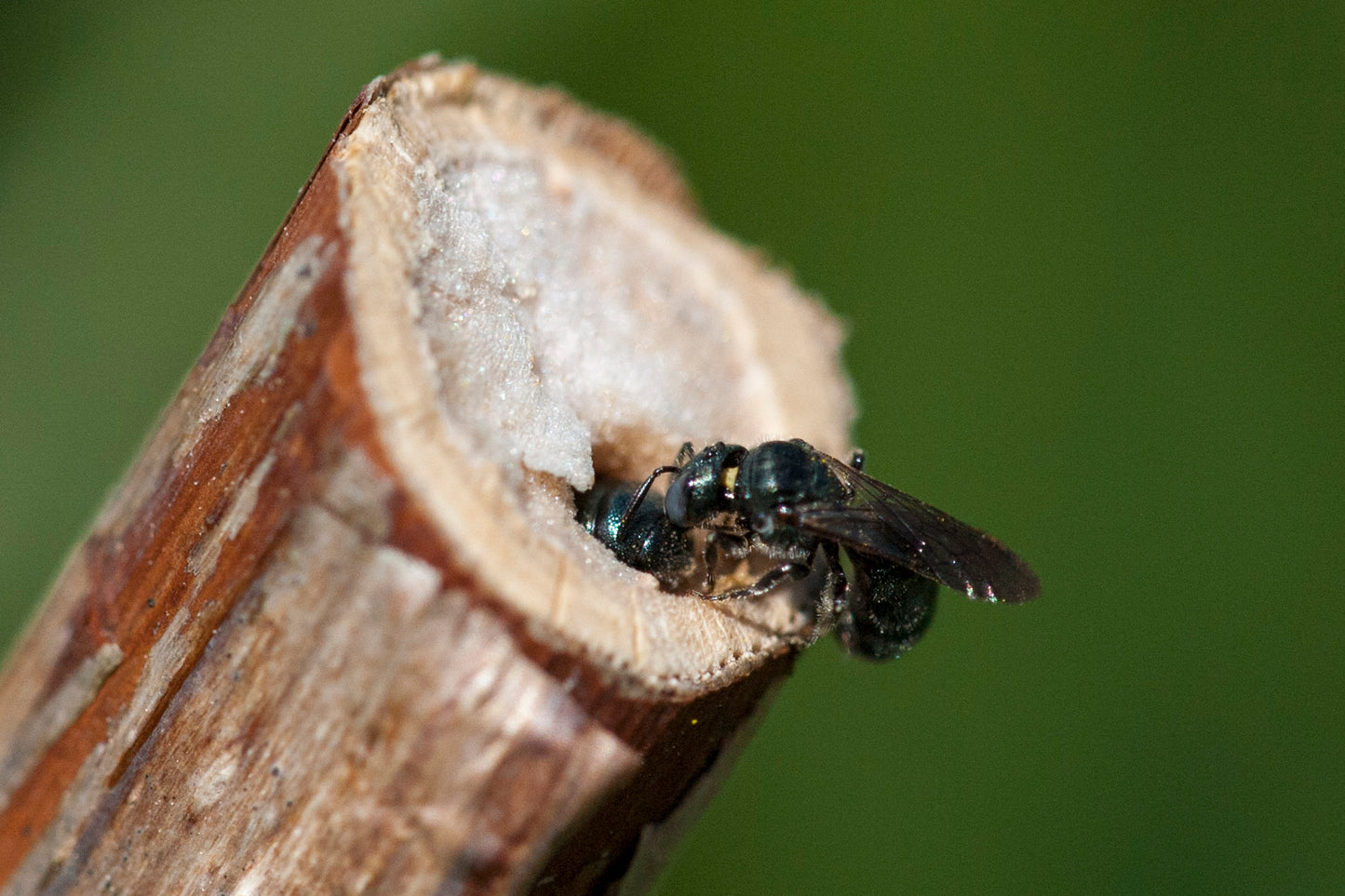
There are about ten wild bee species that prefer to build their brood cells in predominantly vertical, pithy stems, such as those of the blackberry. These bee species show an impressive ability by gnawing and digging their nest tunnels through the pith. Stems with a diameter of approximately 1 cm and a minimum length of 0.5 m are ideal for these nesting sites. Common species that use this type of nesting site include the small carpenter bee, the stem mason bee, and the club-horned bees.
Deadwood
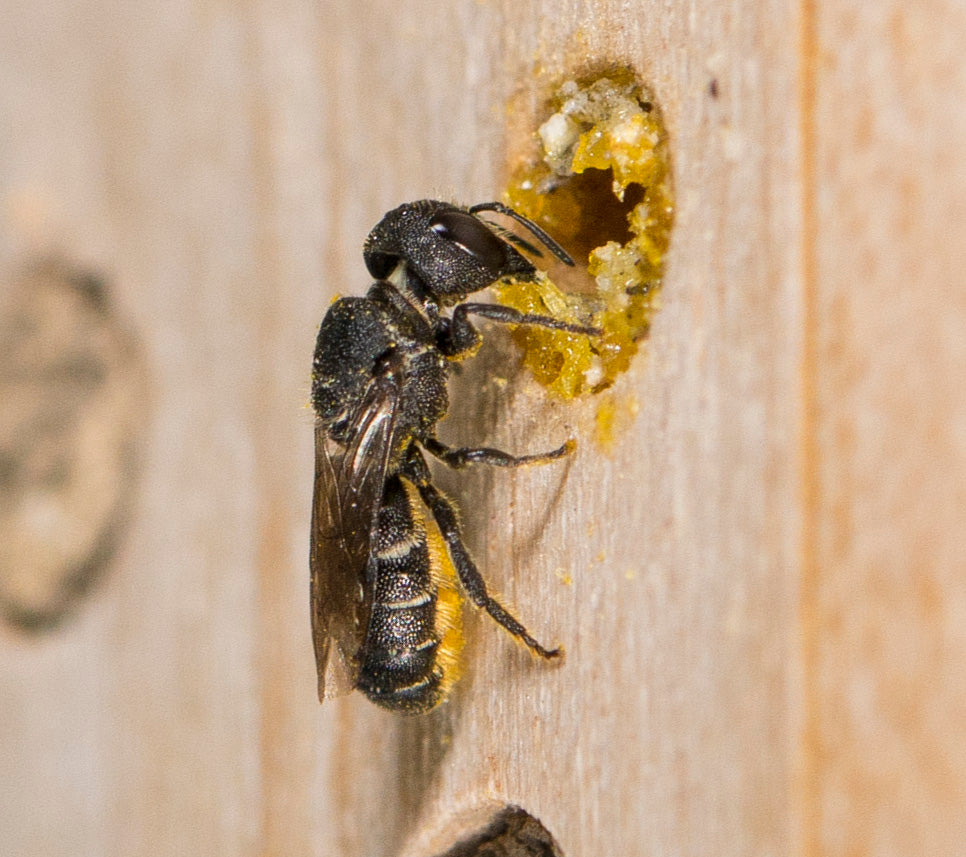
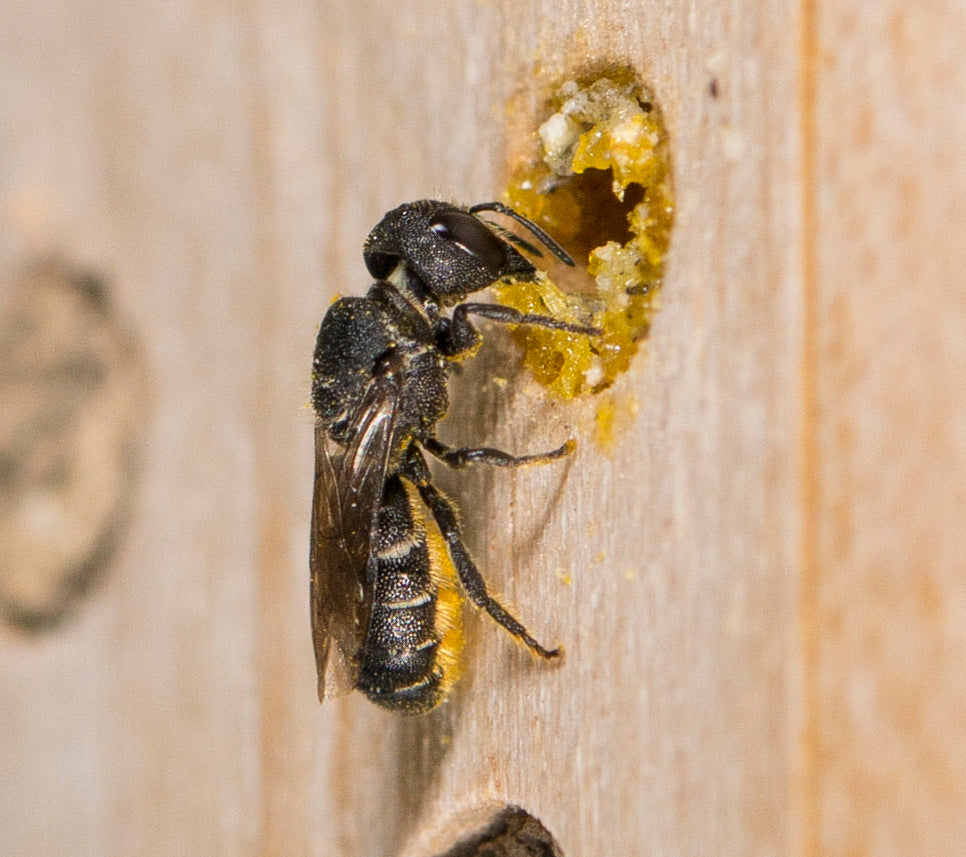
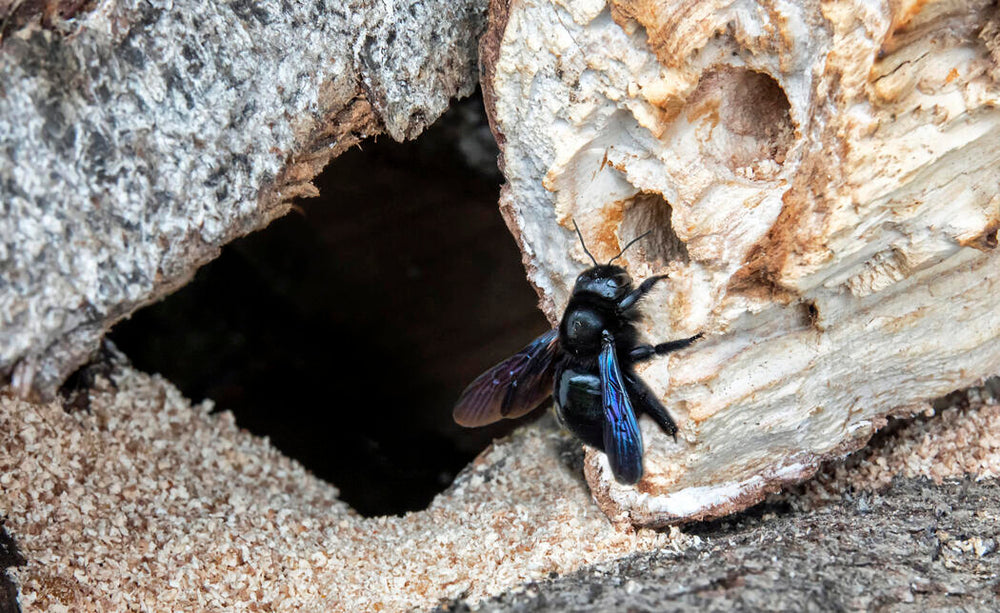
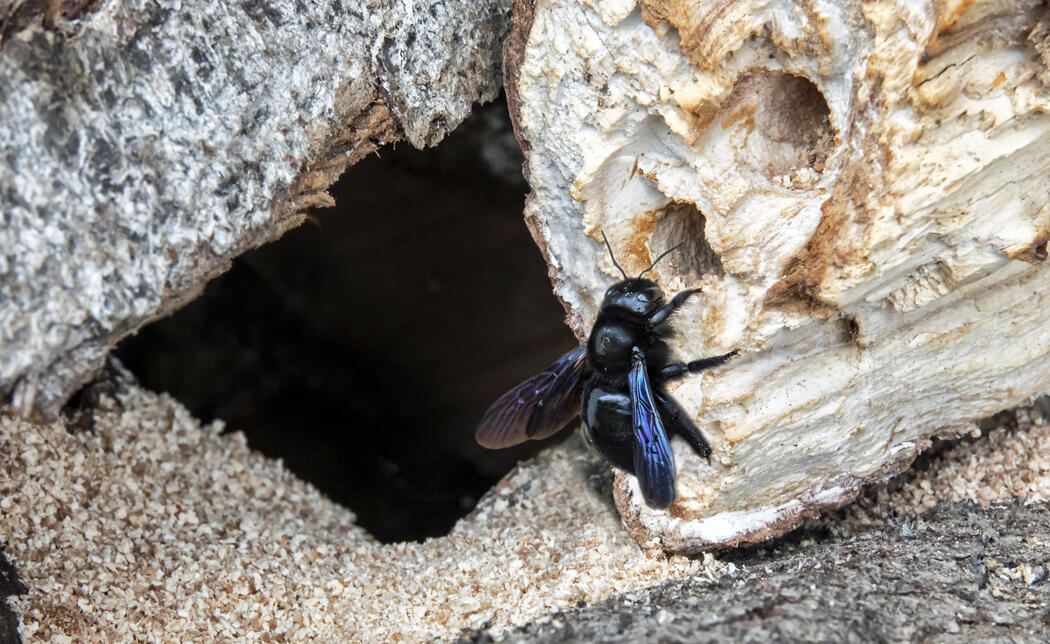
A smaller number of wild bee species build their nests in deadwood or decaying wood. These wild bees are particularly remarkable because they excavate tunnels in the wood independently. Old, standing deciduous trees offer ideal conditions for this, especially if the wood is affected by white rot and thus becomes softer, which facilitates the creation of tunnels for the bees. Common inhabitants of these nesting sites include various species of leafcutter bees, the carpenter bee, or the forest furry-footed bee.
In our 'BeeHome Diversity', we offer hand-selected deadwood pieces that meet these specific needs.