


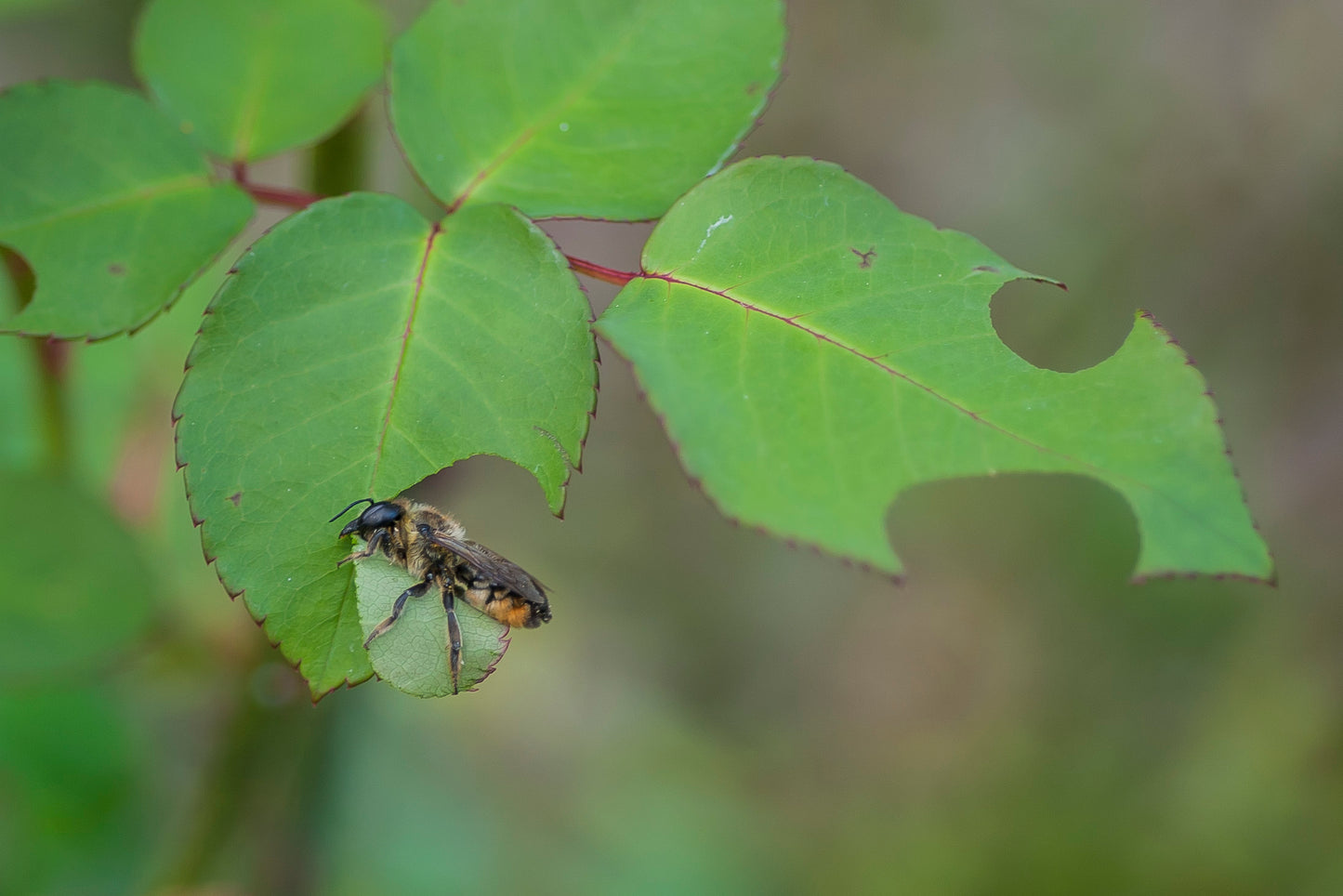
Leafcutter Bees: They Bite Their Way Through
Leafcutter bees are one of the most striking wild bee genera you can discover in your BeeHome. This is due to their extraordinary nesting material: they fly to their nest as if riding on a saddle. The name says it all: leafcutter bees build their nests from leaves.


Wild Bees and Pets - Do They Get Along?
Friends of wild bees often have pets themselves, usually a dog or a cat. Anyone who wants to attract wild bees to their garden or balcony with a nesting aid naturally wants to know beforehand whether these useful insects can be dangerous to pets – or vice versa. "Can wild bees sting my pets or otherwise bother them?" many people ask before buying a wild bee house. However, this concern is unfounded. Nobody needs to worry about their pets. Wild bees are peaceful by nature and only want one thing: to collect pollen for their offspring as undisturbed as possible...


Wild Bees for Hotel Guests at the 25hours Hotel
To mark the start of the urban summer, a garden center has opened in Zurich West with the aim of becoming the neighborhood's green living room.


Cooperation with WormUp: There's a catch
Did you know that earthworms are as important for maintaining fertile and healthy soils as bees are for pollinating our plants? Learn in this blog why healthy soils are not only a prerequisite for healthy nutrition, but also crucial for climate change.

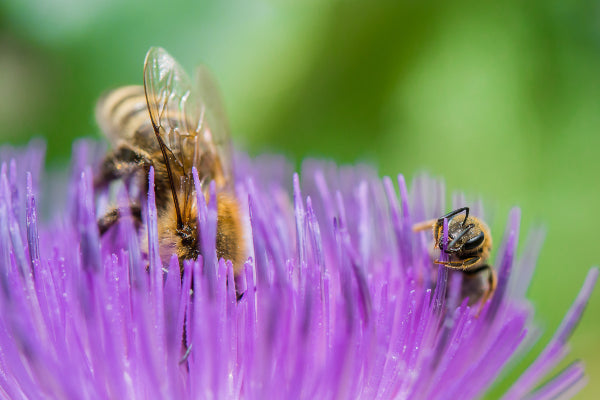
Why Mason Bees Don't Make Honey
It is the biggest difference between the honey bee and its wild sisters: Mason bees do not produce honey. But why is that?


Wild Bees and Biodiversity for ZKB
With us, ZKB promotes biodiversity effectively, sustainably and concretely. Economic activity linked with responsibility for the environment and society.

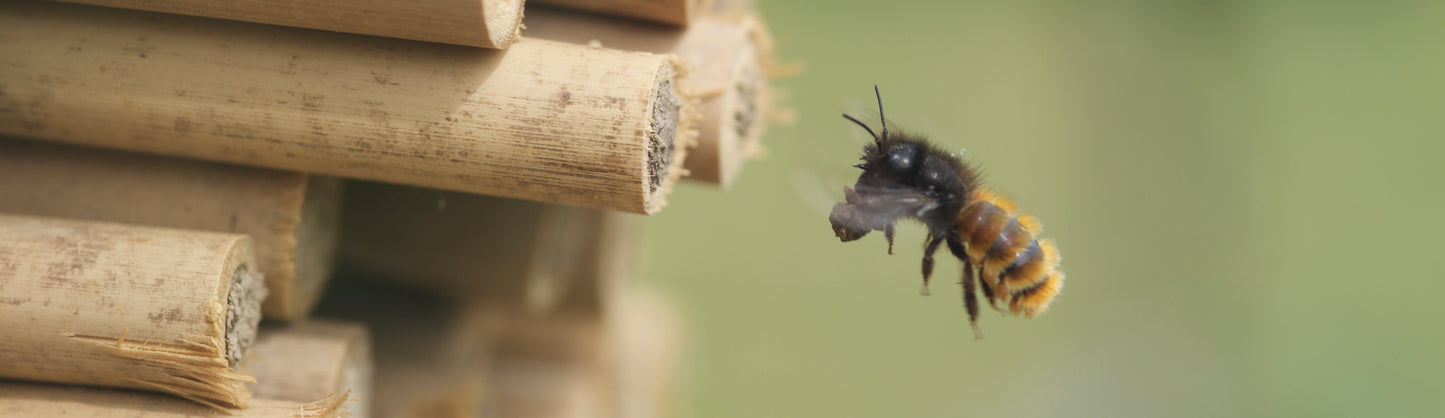
Clay, stones, plant parts: What mason bees carry into their nests
Did you know where mason bees get their name? And that some species choose very special nurseries for their offspring? As a BeeHome owner, you've probably heard the name mason bee or Osmia before. You've almost certainly seen one of the many mason bee species, the widespread red mason bee, also simply called red mason bee (Osmia bicornis). After all, these industrious insects populate your BeeHome. But there are many more mason bees, as mason bees are not a single species, but a genus (a genus is a group of closely related species). Mason bees are found in the temperate...

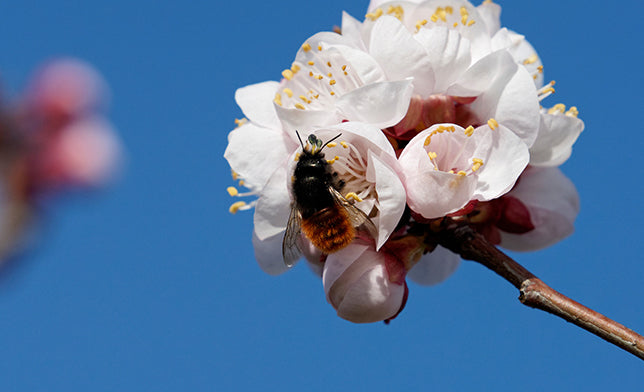
How Mason Bees Live: 10 Fascinating Insights
Why are mason bees so popular with fruit growers? And why do the males always emerge before the females? 10 interesting facts about the master pollinators among wild bees. 1: The highly adaptable Red Mason Bee (Osmia bicornis) is widespread across large parts of Europe. It can be found from cool southern Sweden to hot North Africa. 2: Newly emerged males usually have to wait impatiently for a few days until the first females appear. Mating lasts up to two hours, and immediately afterwards, the females begin nesting. 3: Mason bees are not picky when it comes to choosing a...

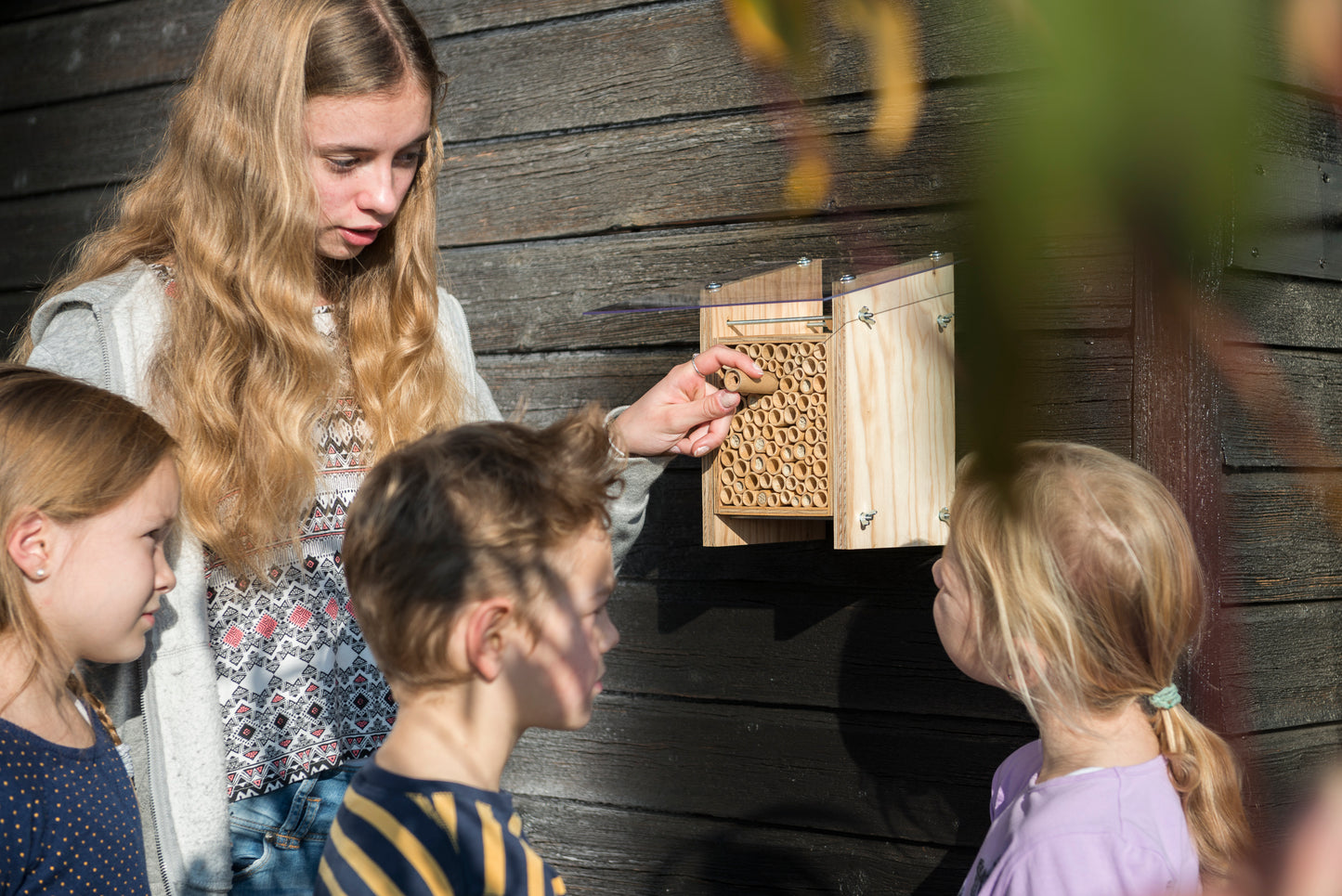
We are Kassensturz test winners!
In 2019, "Kassensturz" tested nine nesting aids for wild bees. Only three are good, our BeeHome Classic is THE BEST! Many others do not fulfill their function. The detailed test results are listed here. SRF Kassensturz rated our «Beehome Classic» with an overall score of 5.3. The expert jury's conclusion: "The tubes are all cleanly finished, the large roof provides good protection against moisture. However, the tube diameters are too large for many bee species." We can live with this judgment. We already solved the problem mentioned last year with our unique BeeSummer. The add-on module offers ideal nesting conditions...
Recent articles