

Statement on the criticism of Wildbiene + Partner from wildbee.ch
At Wildbiene + Partner, we are convinced that together with our BeeHome community, we can make a small but important contribution to a better society. We are proud of this – and you can be too.
A buzzing world for all

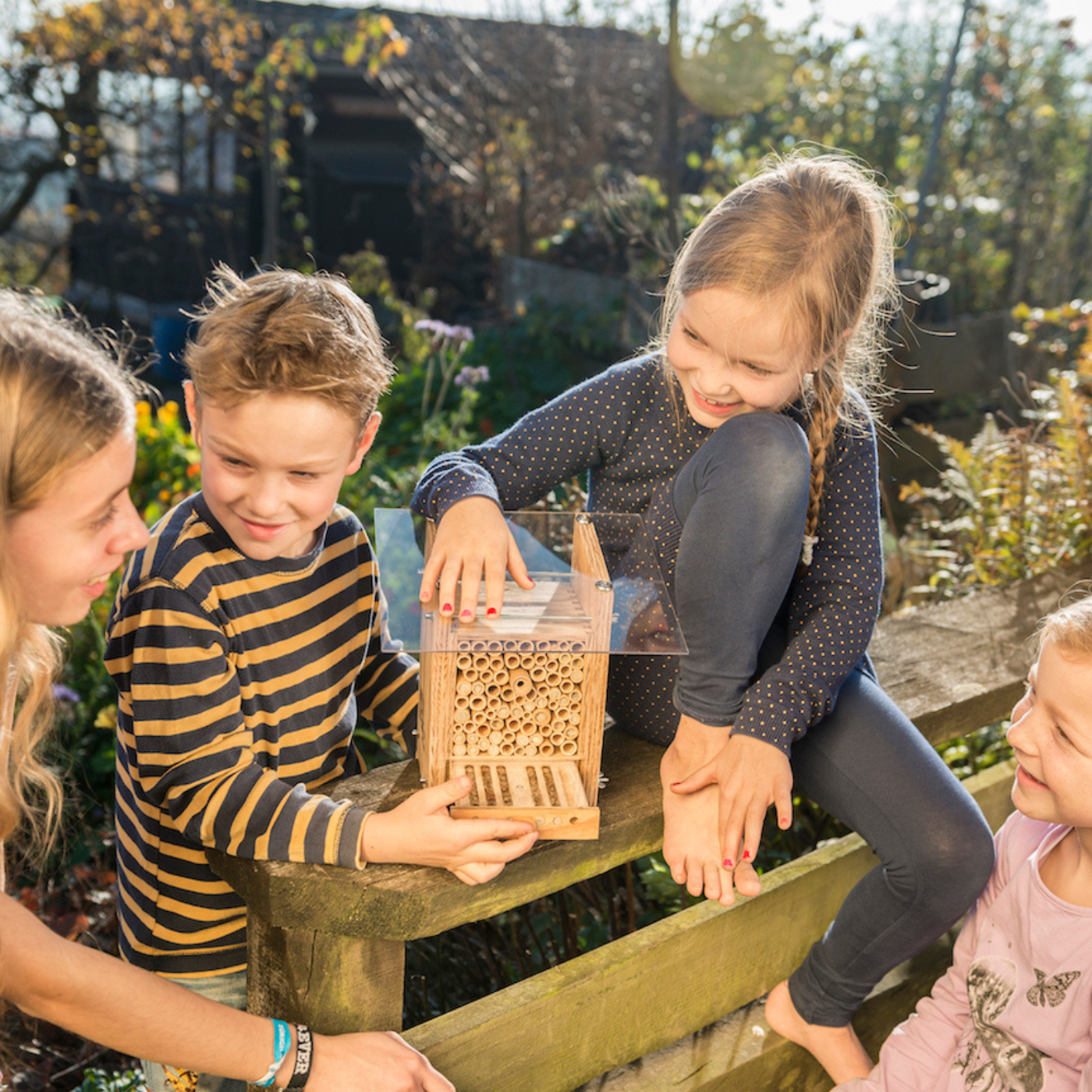

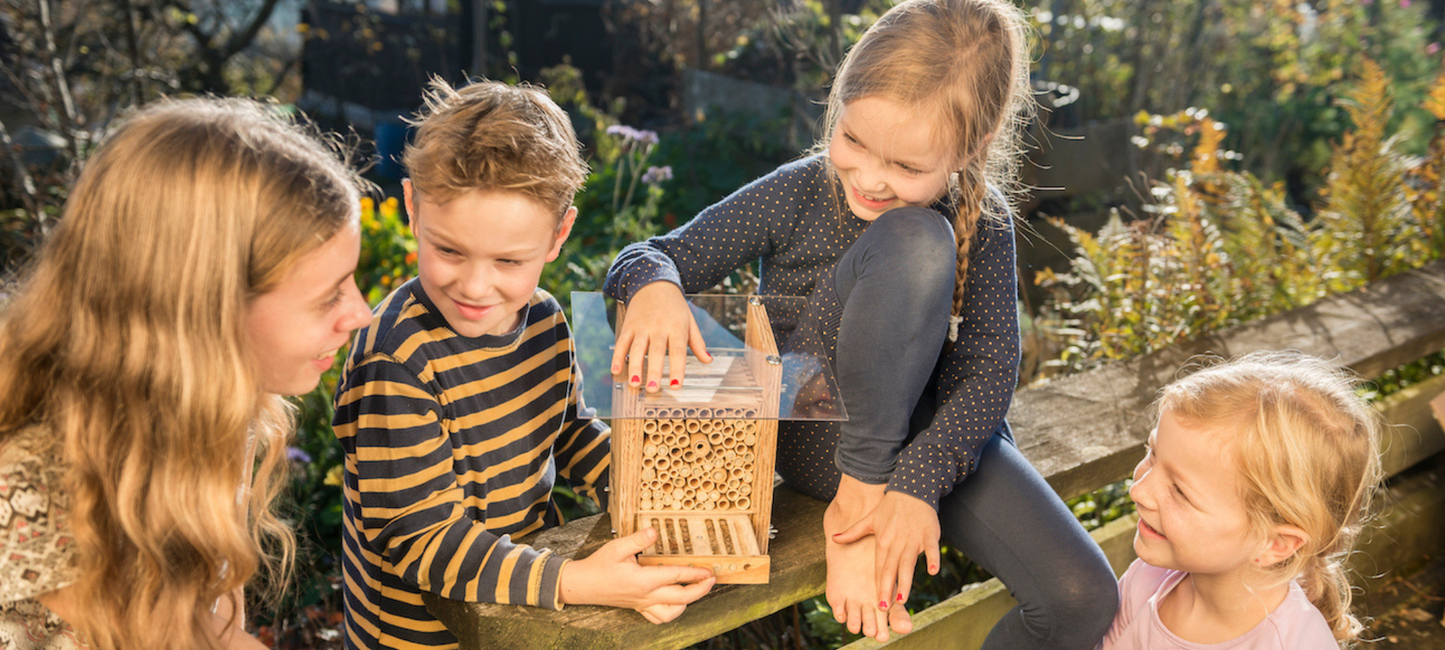

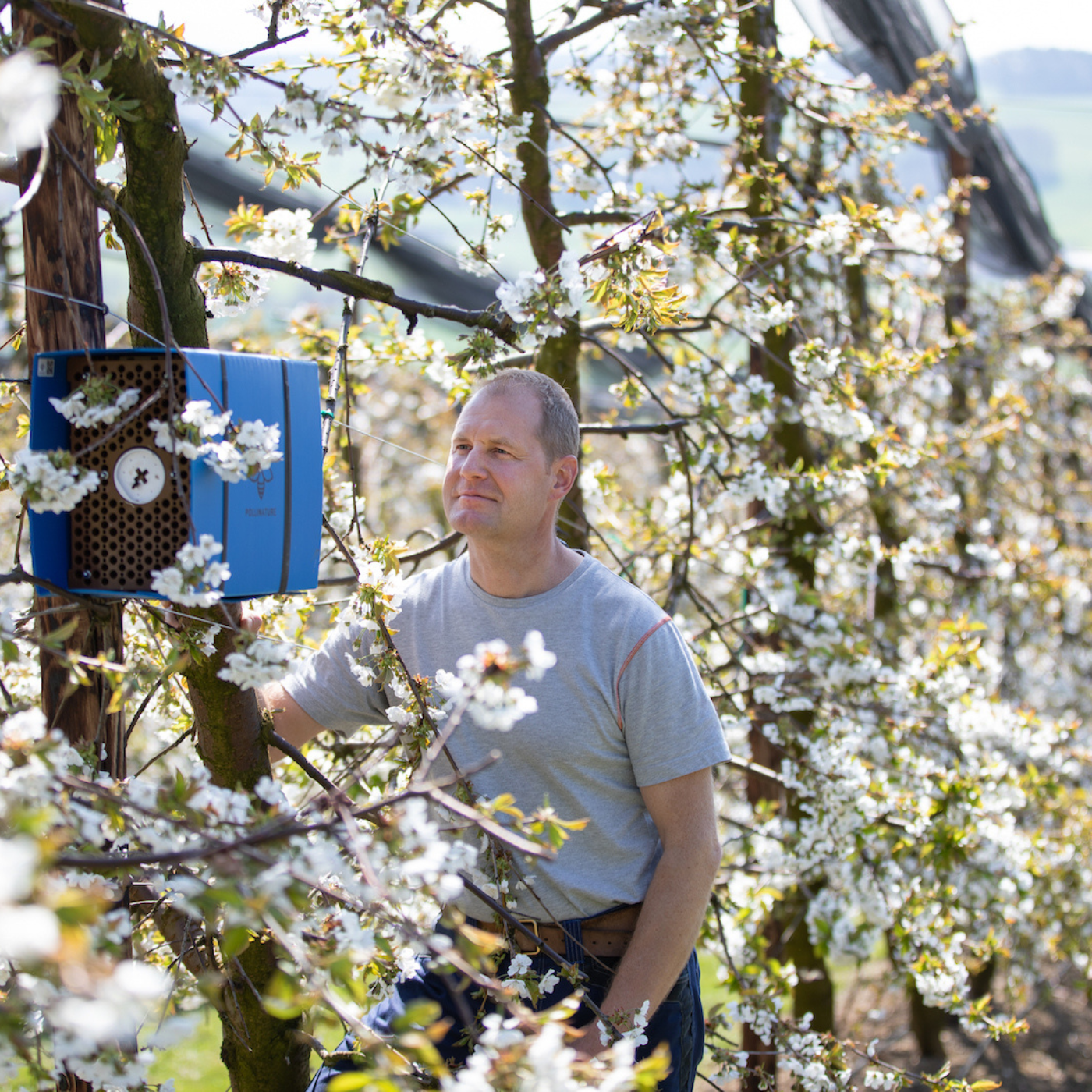

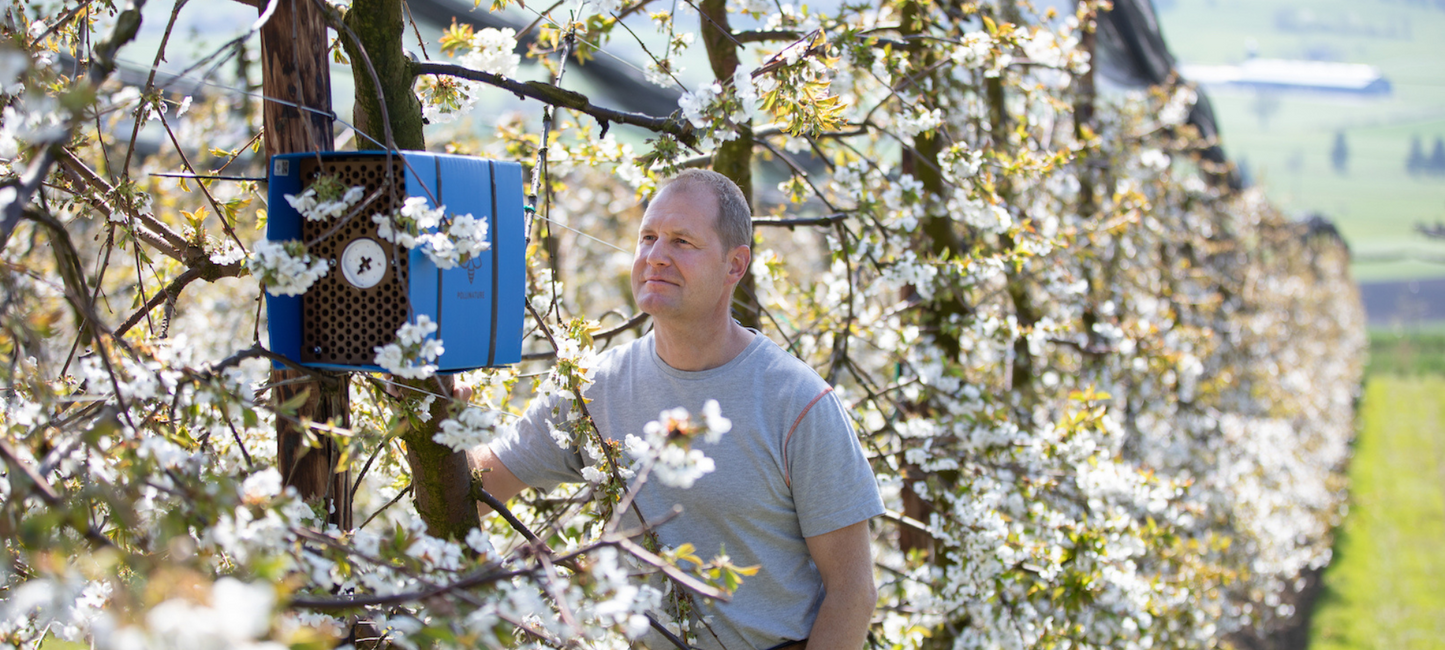

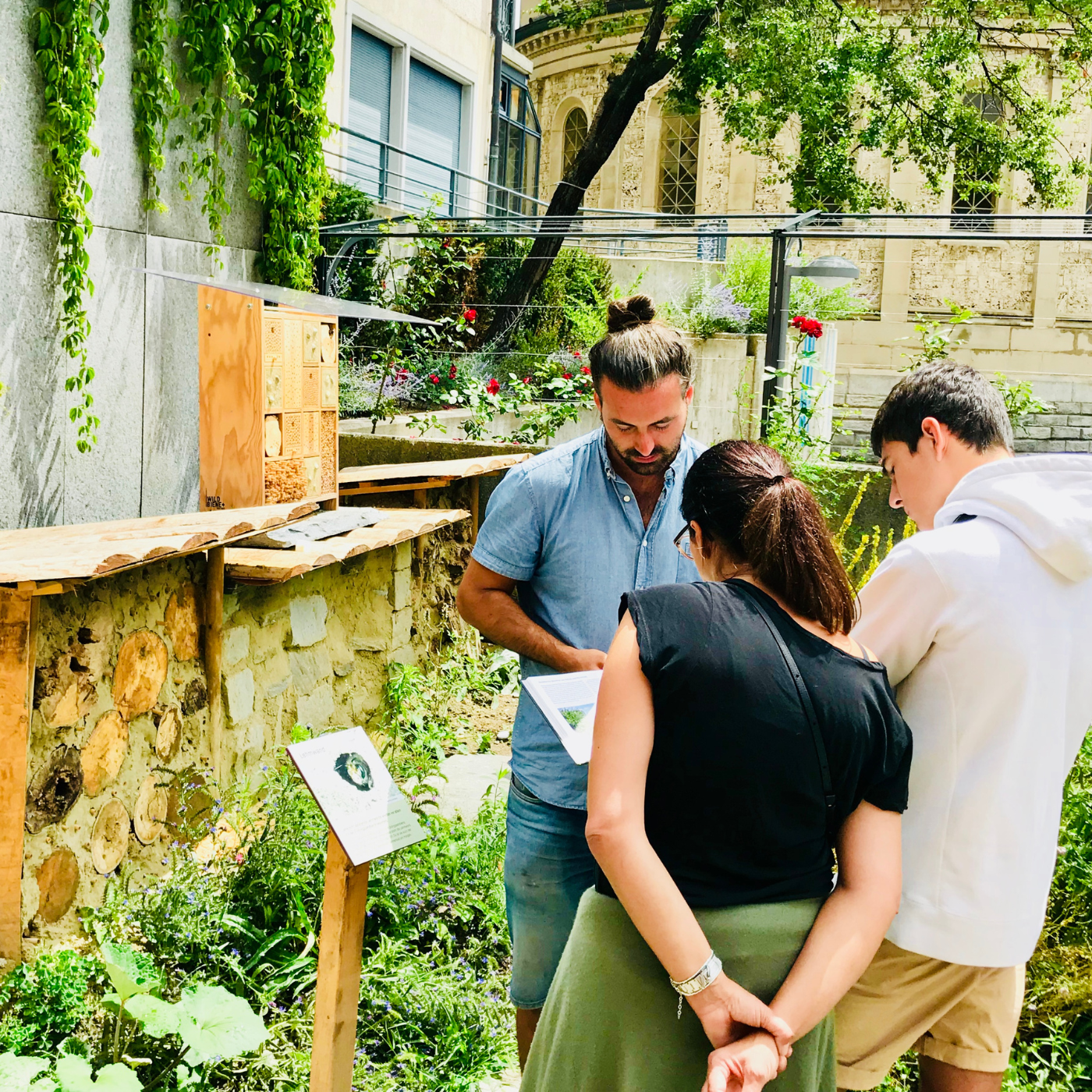

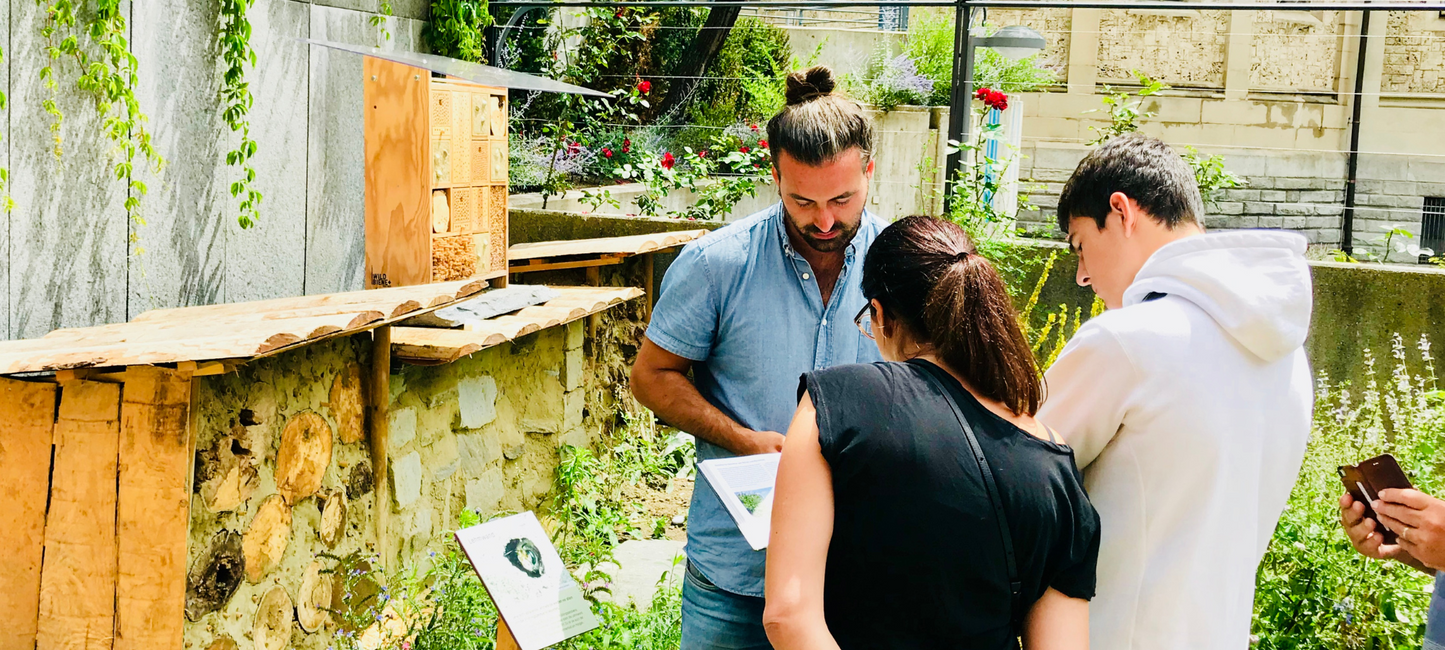
We at Wildbiene + Partner stand with you for a future with wild bees
Behind our company is a competent and dedicated team that cares deeply about wild bees, pollination security, and biodiversity. For years, we have increasingly been the target of criticism against Wildbiene + Partner from the animal welfare organization wildbee.ch. We have no objection to constructive criticism; however, wildbee.ch's accusations lack rational and scientific basis. This destructive attitude seems unproductive to us, and we are disappointed that the organization resorts to such tactics. We would like to address a few points of criticism to give you as transparent and comprehensive a picture of our work as possible. We invite you to scrutinize this thoroughly.
We at Wildbiene + Partner are convinced that, together with our wild bee community, we are making a small but important contribution to a better society. We are proud of this – and you can be too.
Please do not hesitate to contact us if you have any further questions.
Tom, Claudio, and the entire Wildbiene + Partner Team
How Wildbiene + Partner promotes wild bees
As a self-sustaining company, Wildbiene + Partner has launched a sustainable project to promote and protect wild bees. We want to promote wild bees, support rare species with wild bee gardens, inform the public – and establish native wild bees instead of foreign bumblebees in orchards.
Suitable nesting sites and care
Long-standing wild bee experts and our community appreciate Wildbiene + Partner: Dedicated private individuals contribute to providing more habitat for wild bees. The Red Mason Bee (Osmia bicornis) and the Horned Mason Bee (Osmia cornuta), which primarily nest in BeeHomes, are carefully freed from potential parasites by trained staff in autumn during their hibernation. Despite their abundance, mason bees need support, and species protection should not only promote rare species but also actively support more common ones. The various BeeHomes from Wildbiene + Partner offer suitable nesting sites for over a dozen other wild bee species, some of which are very rare. Nesting boxes provided by humans are just as valuable for these wild animals as original nesting opportunities.
Raising public awareness
Wildbiene + Partner has now introduced tens of thousands of people in Switzerland and Germany to wild bees and their needs. The BeeHomes from Wildbiene + Partner often lead to our private individuals building a first positive relationship with wild bees. They become aware of how important these wild animals are to us. With numerous articles and videos, we provide helpful tips on what can be done to promote wild bees. Our gardening tips, information on plants, and selected products motivate our wild bee community to plant native wild plants instead of conventional exotic ones. For example, with our seasonal BeeSnacks, which are perennial and offer an important food source for many wild bee species and other wild animals, we sell. With several thousand BeeSnacks sold, produced by the Swiss company Appisberg, we have already brought an enormous number of important wildflowers to people.
Entry into the world of biodiversity
We see our role primarily in improving the pollination situation (for agriculture and ecosystems) and introducing people to the fascinating world of wild bees with an uncomplicated offer. We address those who understand the relevance of insect promotion but need a low-threshold offer to become active. The BeeHome offers a wild bee experience for everyone. Due to its easy handling, it represents an ideal way to gain initial access to the topic of wild bees. Owning and caring for a BeeHome requires only little effort, for which you don't have to be a wild bee expert. The emotional bond that arises when you can experience the life cycle of wild bees at home helps to develop interest. This also increases the motivation to engage with the topic beyond the BeeHome and to plant wild bee-friendly, native flowers. With enthusiasm, customers can observe the wild bees and pass on this enthusiasm to others. In this way, we have a strong positive influence on wild bee conservation and biodiversity in Switzerland; after all, you can only actively protect and promote what you know.
BeeParadise: Valuable wild bee gardens in Switzerland
With our BeeParadise wild bee habitats, we create valuable living spaces for many different species of wild bees, wild plants, and many other insects and small animals. In addition, our wild bee habitats help to raise awareness among the general public about these valuable wild animals and their needs. Because it's not just our wild bee community and specialists who should know about the plight of wild bees and insects. Wildbiene + Partner has already implemented over 30 major projects on tens of thousands of square meters at prominent locations.
Wild Bee Paradise: A zest for life
Postal shipping is harmless for wild bees
Postal shipping through automated sorting facilities does not pose any risks to wild bees in hibernation. Mason bees are well protected in their robust cocoons. Year after year, our wild bee care shows us that the wild animals are thriving and multiplying splendidly. Honey bees and bumblebees, which live in large colonies and are distributed by the hundreds of thousands across the world, are not in hibernation. Their transport should be questioned – we at Wildbiene + Partner offer a sensible and sustainable alternative with the Red Mason Bee (Osmia bicornis) and the Horned Mason Bee (Osmia cornuta).
Why we free the cocoons from parasites
With wild bee care, we minimize the risk of disease. The nesting of several wild bees close together in all nesting aids and also in nature favors a high parasitism rate. We counteract this situation with wild bee care. Our employees in the protected workshops are precisely instructed and accompanied by our competent team. The professional overwintering is carried out and supervised by our wild bee experts, Robert Aellen and Sarina Kivelitz.
We treat wild animals with care and caution
In addition to mason bees, various other wild bee species nest in the BeeHomes. If the inner boxes are sent in for wild bee care, we leave the nests of other wild bee species unharmed. Customers can then check their personal wild bee statistics to see which wild bee species are present and what flower preferences they have – this is the best way to support the different wild bee species. Sometimes other wild animals are also found in the nesting tubes, which we release. These wild animals are not killed; only parasites such as mites and fruit fly larvae are removed.
Starter population – for natural reproduction and pollination
Every spring, we send our customers a starter population with about 30 mason bee cocoons. Thanks to the starter populations, the mason bees in the garden or on the balcony of our wild bee community increase – which improves the pollination performance in their surroundings.
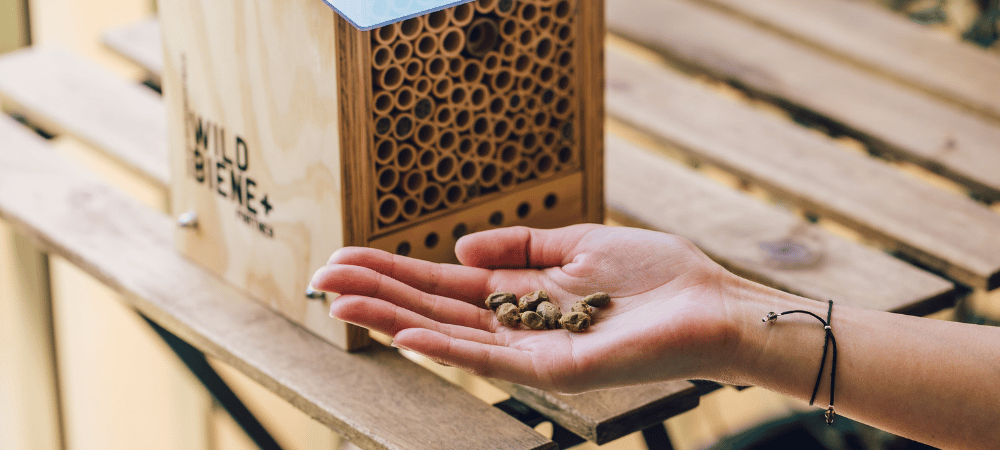
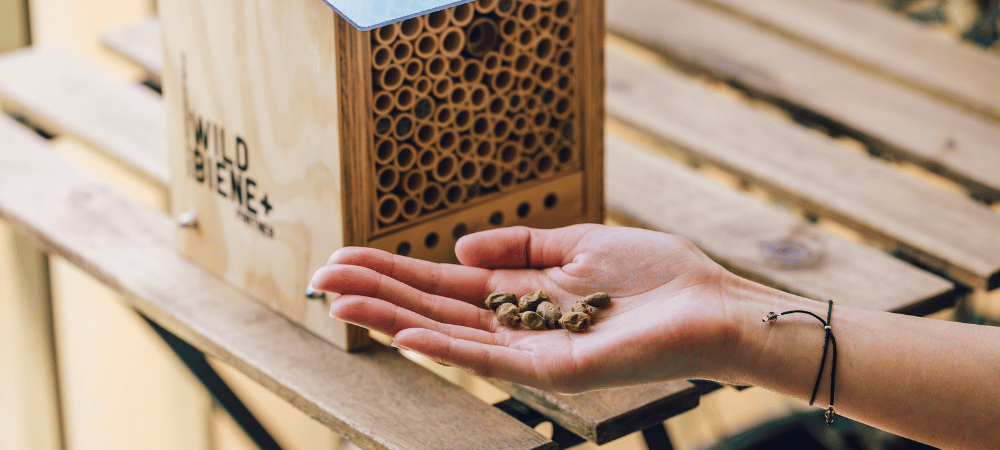


Our Wild Bee Care: Sensible and Professional
For our wild bee care, BeeHome owners send us their inner boxes in autumn. Postal shipping of wild bees in hibernation is safe. We professionally remove parasites from the cocoons and overwinter them. The time required per inner box is about one hour. In spring, we send our customers a starting population of 30 mason bee cocoons. The chargeable wild bee care is voluntary. A large part of the amount goes to social workshops where people in the secondary labor market find meaningful and responsible employment.
Our Wild Bee Care
Our future-oriented cooperation with agriculture – promoted early on by WWF
We use some of the increased number of mason bees, Osmia cornuta and Osmia bicornis, to pollinate native orchards. Not a single wild bee cocoon that has been bred by private individuals in BeeHomes crosses biogeographical boundaries. We offer Swiss farmers a sustainable alternative to importing disposable bumblebees from Holland or Belgium. This is also the main reason why our project was promoted by WWF at an early stage.
We care for the welfare of wild bees at fruit farms
We rent nesting sites with mason bees Osmia cornuta and Osmia bicornis to farmers, who return the nesting sites to us each autumn. The offspring from these nesting sites form the basis for having healthy mason bees for pollination again the following year. Our brochure contains tips on how naturally occurring wild bees and wildlife, valuable for pollination, can be promoted. During the blooming and flight season of the wild bees, farmers are not allowed to spray bee-harming substances – our wild bees are protected during this time.
Pesticides – mason bees are not in danger
The use of potentially bee-harming pesticides is prohibited during the flowering season. It goes without saying that we introduce the mason bees into the orchards during this pesticide-free period. Pesticides in agriculture are a wide-ranging topic that also plays an enormous role in business and politics. The reduction of pesticides in agriculture must be regulated at a legislative level. We support nature-friendly cultivation through information, awareness-raising – and by offering fruit farmers sustainable alternatives to bumblebees and honey bees.
Wild bees are thriving with farmers – otherwise they would fly many kilometers away
Naturally, mason bees do not settle in orchards because they cannot find nesting sites. Once they have a nesting site, their flight radius is about 300 meters. Before that, they gladly cover much longer distances of several kilometers. With suitable nesting sites, we create the basis for wildlife to feel comfortable and reproduce naturally in the orchards. The wild bee species Osmia cornuta and Osmia bicornis thrive in the extremely flower-rich environment of fruit farmers.
Wildbiene + Partner – a social enterprise dedicated to wild bees and biodiversity
We are a regionally-minded company that respects the boundaries of biogeographical regions. Wildbiene + Partner was founded in 2013 by renowned wild bee experts who are deeply committed to the sustainable well-being of wild animals and biodiversity. Co-founder Dr. Claudio Sedivy wrote his dissertation on the "Biology of Wild Bees" at ETH Zurich – he is one of the few wild bee specialists in Switzerland.
We are a self-sustaining company
It is true that we did not set up our company as a non-profit organization. We deliberately chose this path because if we can finance ourselves and are not dependent on donations, we can pursue our vision more independently and for the long term. Therefore, it is important for us to earn money with our activities and thus build a solid foundation for an organization that will advocate internationally for wild bees in the future.
Our vision: A buzzing world for all
We at Wildbiene + Partner recognized almost ten years ago the significant role bees play in our ecosystem. Our vision is therefore to help stop the decline of bee populations through sound educational work, targeted wild bee reproduction, and the creation of wild bee paradises.