

The Horned Mason Bee is widespread throughout Switzerland and is rarely found above 1000 m above sea level. In a warm spring, the first males of this species can be observed as early as the end of February. Thanks to its cold resistance and its preference for rose plants, the Horned Mason Bee is the unbeatable pollination professional among European bee species. It particularly demonstrates its advantages in early-flowering crops such as apricots, cherries and plums.
What do European orchard bees look like?
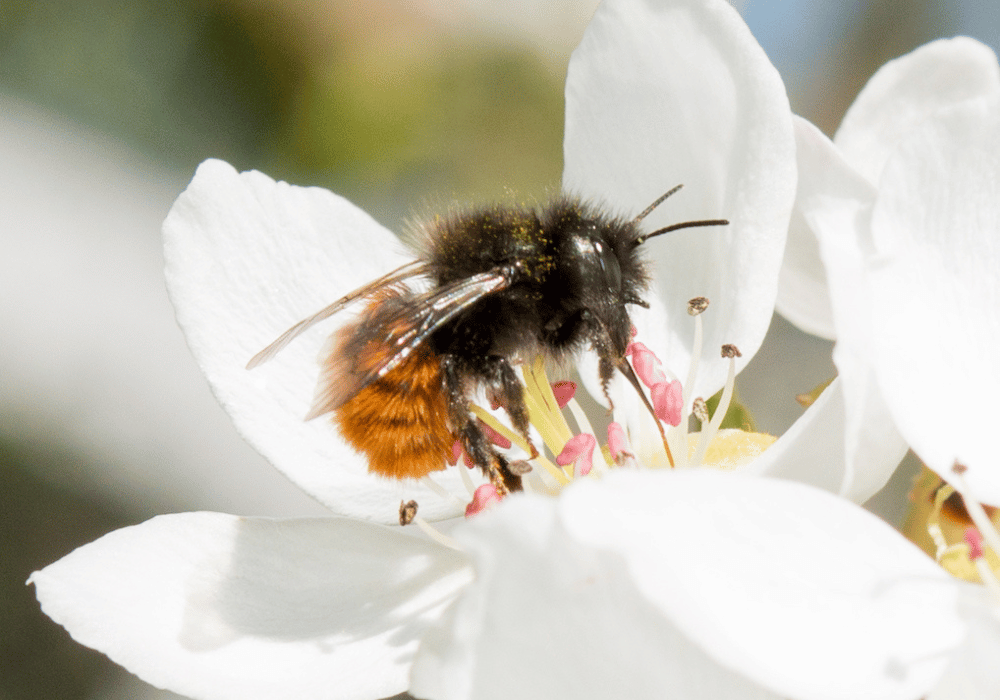
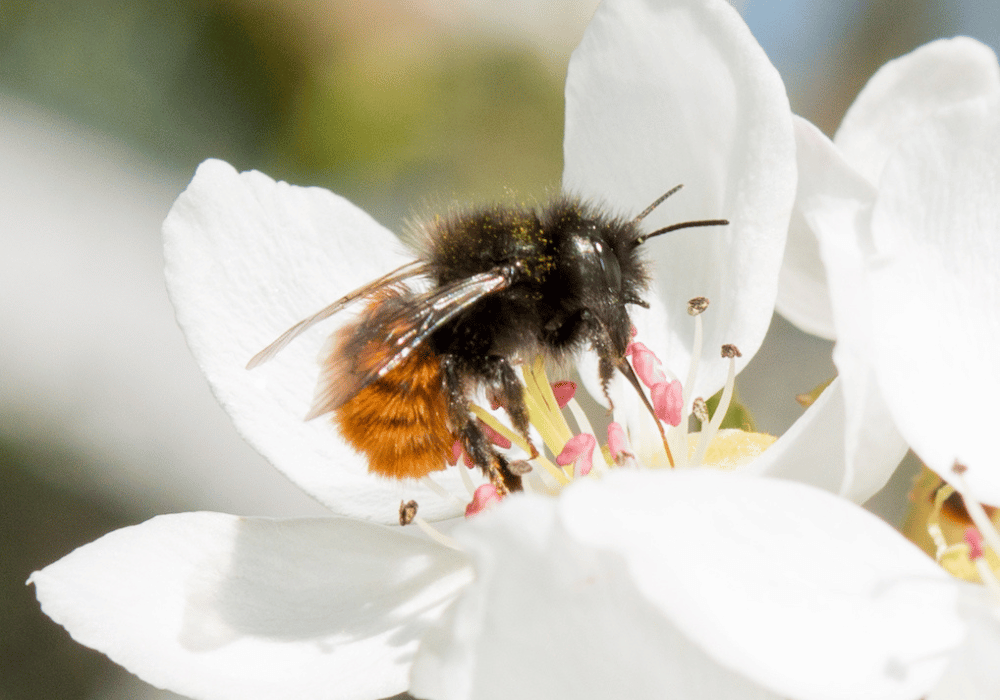
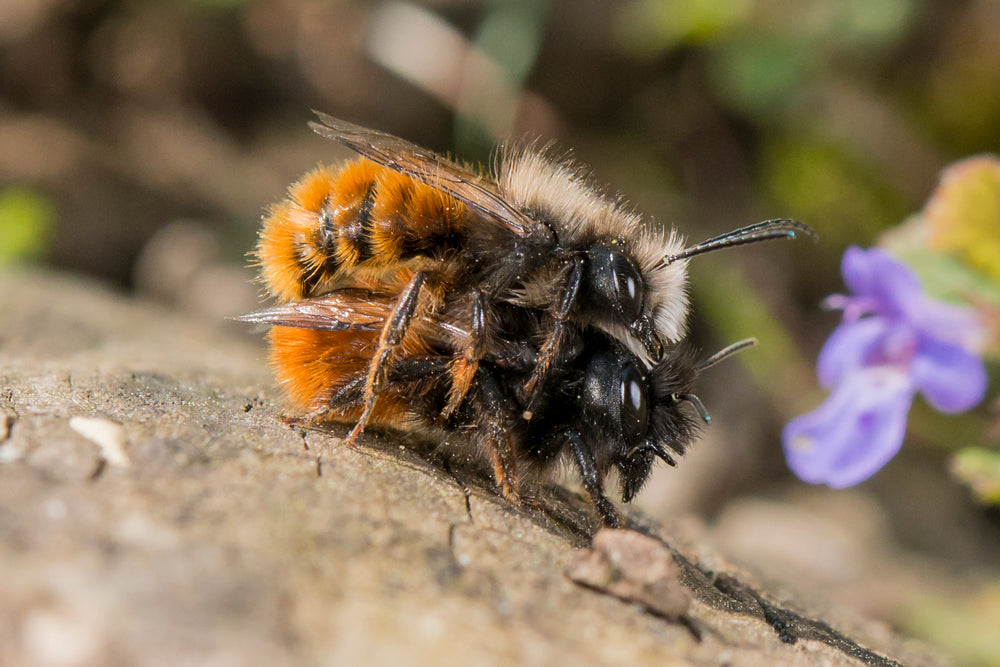
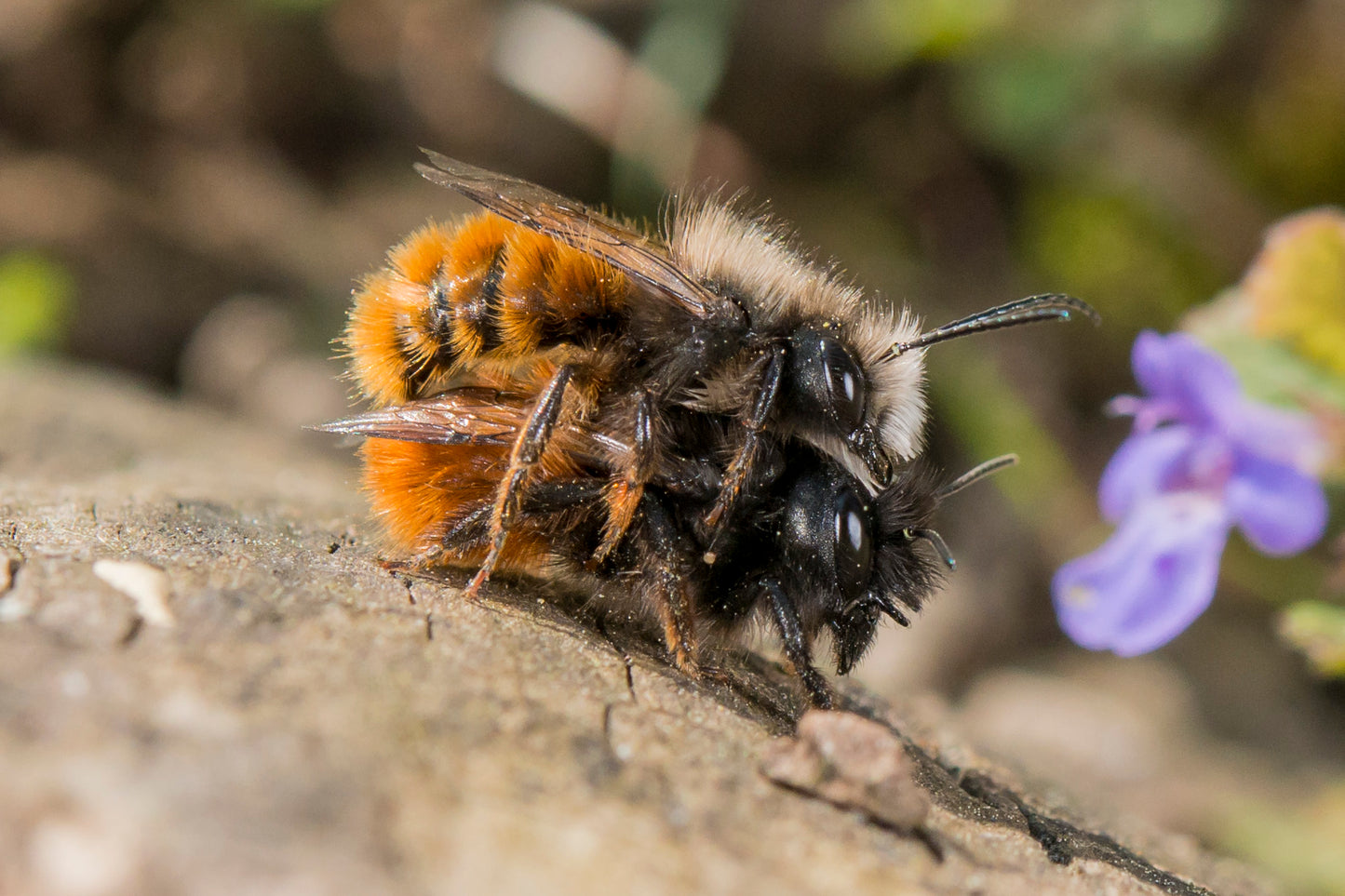
The European orchard bee is 8–15 mm long and its body is densely hairy. Its appearance is very similar to that of a bumblebee. The head and upper body are deep black, and the abdomen is strikingly fox-red. The two small horns below the females' eyes are what give them their name. The males are slightly smaller and have striking white hairs on their clypeus.


Flight time
February to June. One generation per year.
Food preferences
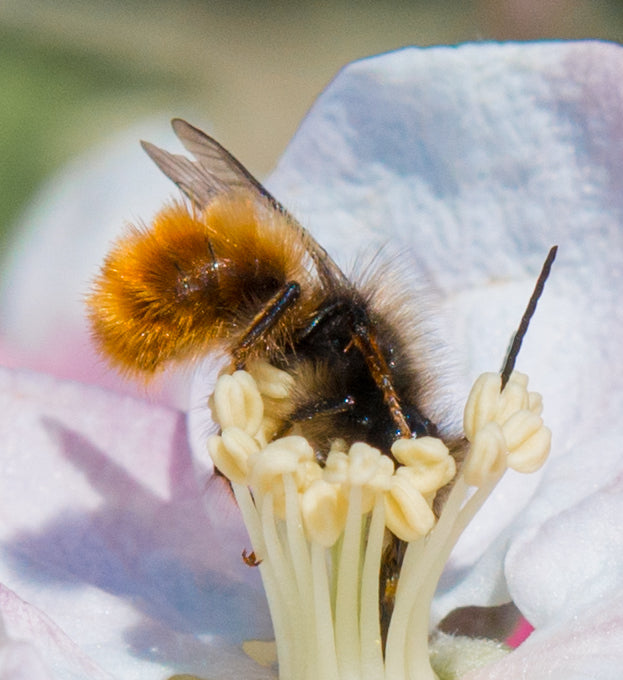
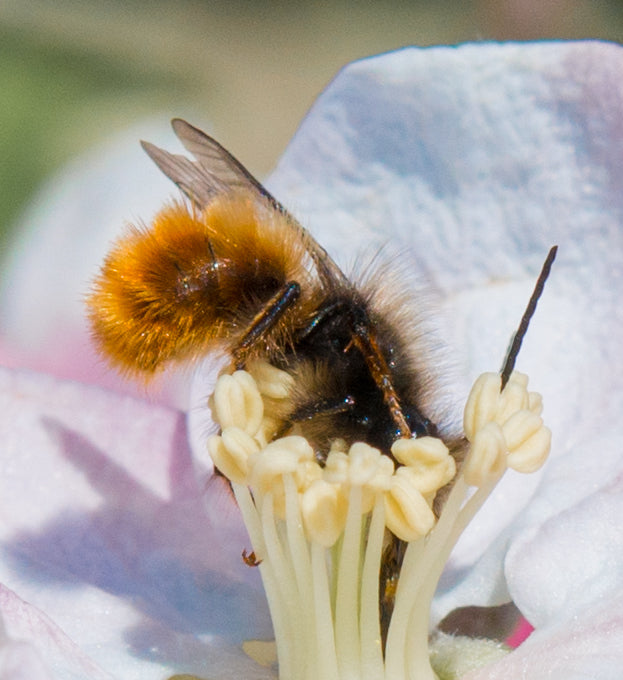
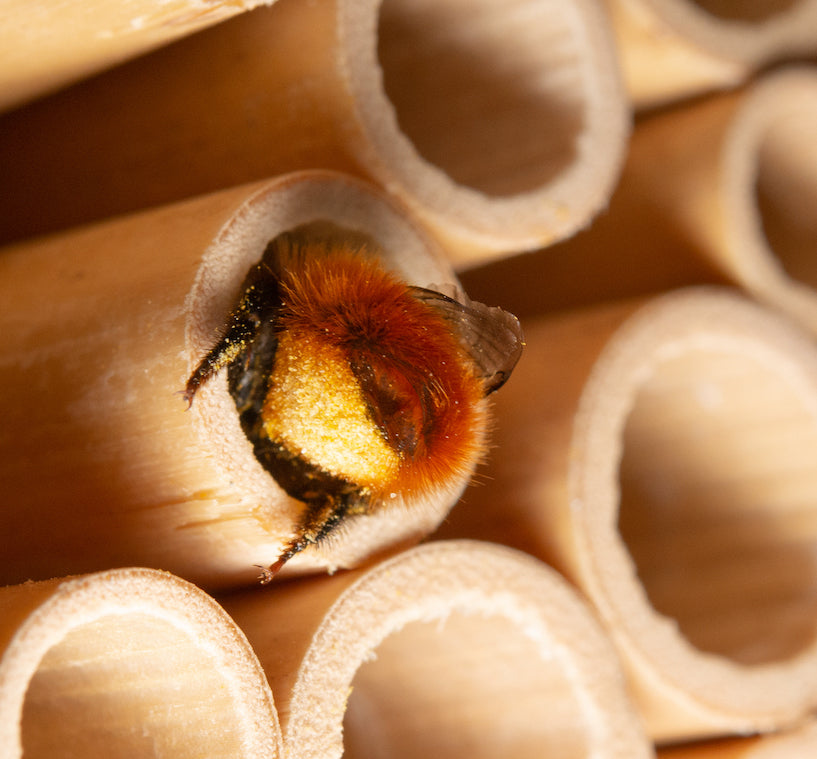
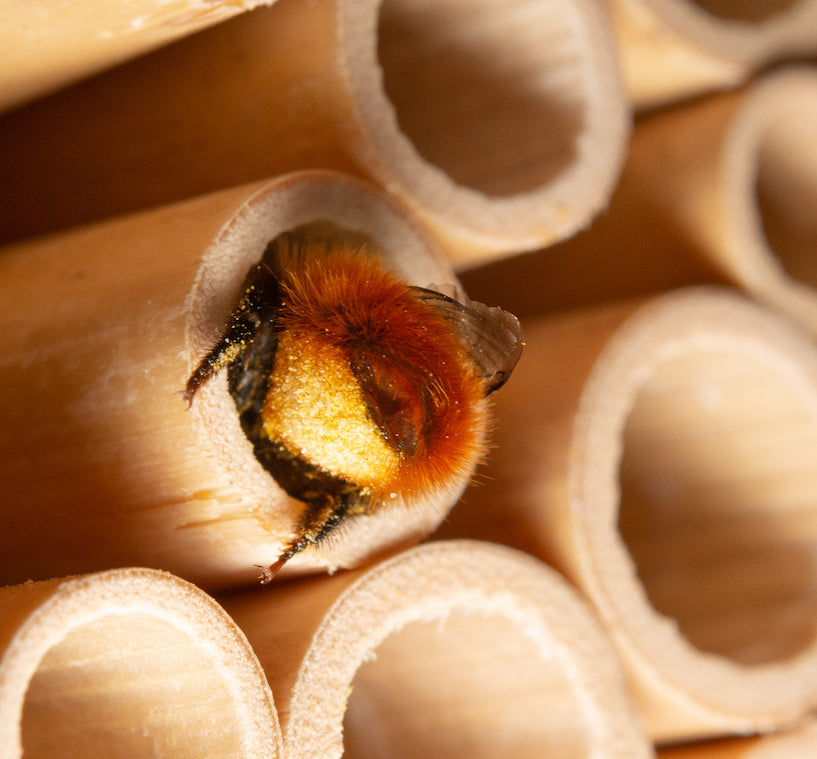
The European Orchard Bee is not picky and collects its pollen from various herbs, bushes, and trees. It visits blossoms from over 13 plant families, preferring fruit and berry blossoms. Other popular pollen plants include maple, corydalis, grape hyacinths, and wild mustard.
Flight time
February to June. One generation per year.
Food preferences
The European Orchard Bee is not picky and collects its pollen from various herbs, bushes, and trees. It visits blossoms from over 13 plant families, preferring fruit and berry blossoms. Other popular pollen plants include maple, corydalis, grape hyacinths, and wild mustard.
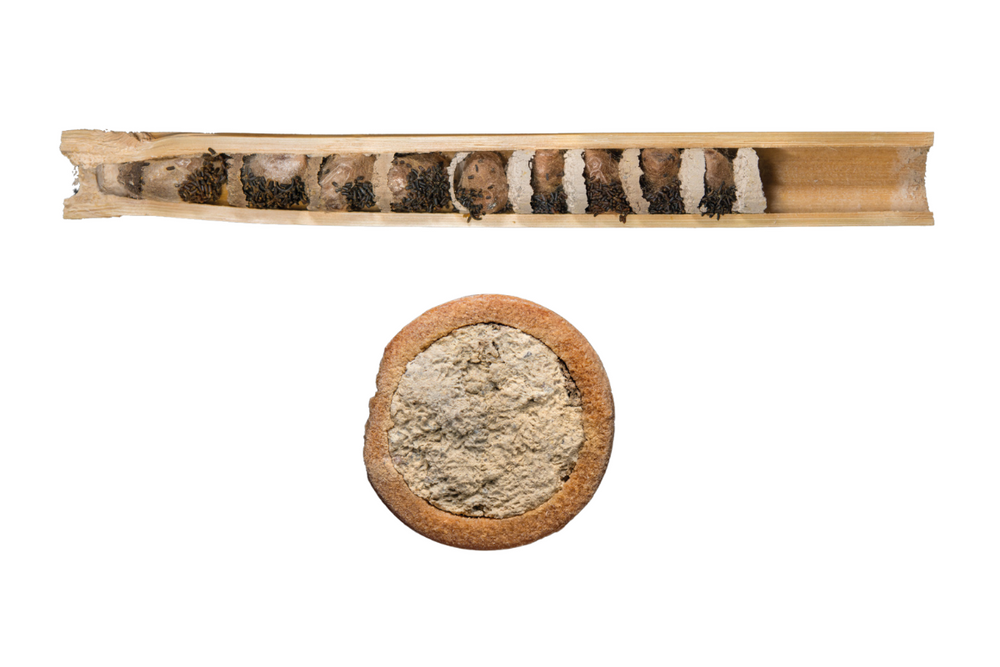
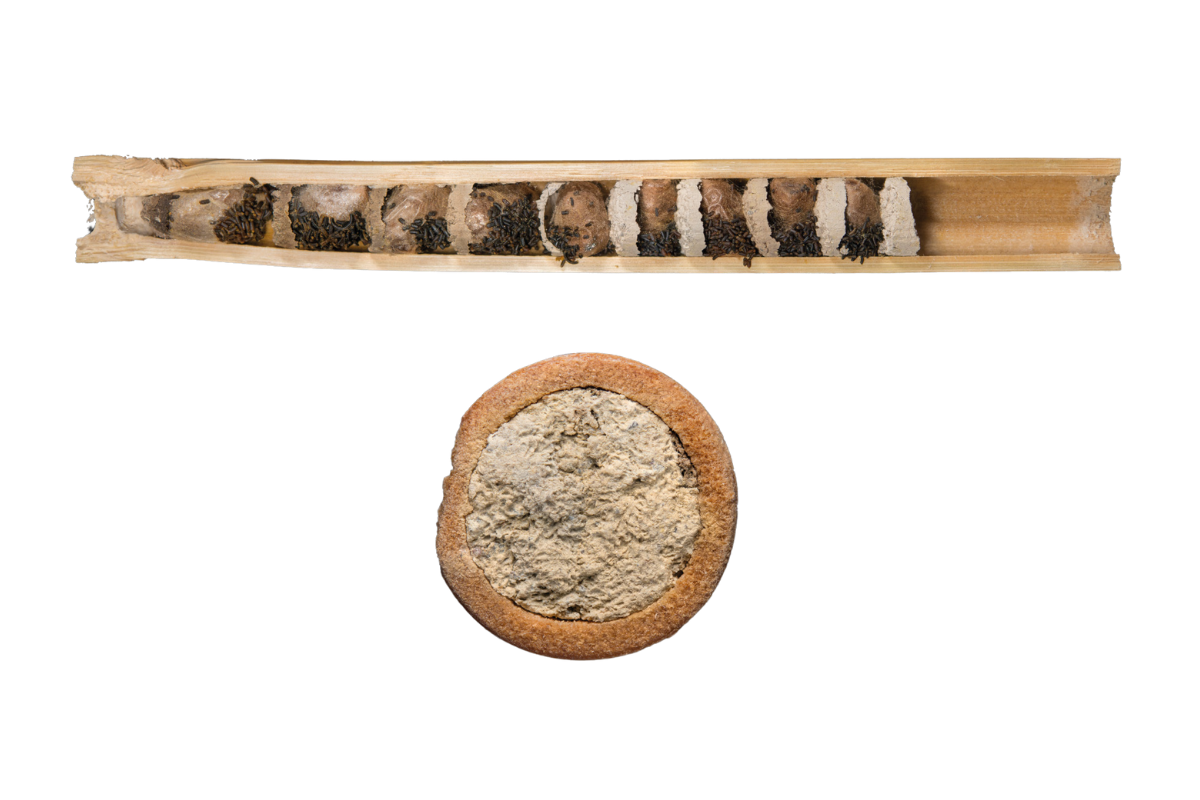
How do horned mason bees nest?
The horned mason bee uses clay as building material for the cell partitions and the nest plug. The latter is carefully smoothed over, unlike with the very similar red mason bee.
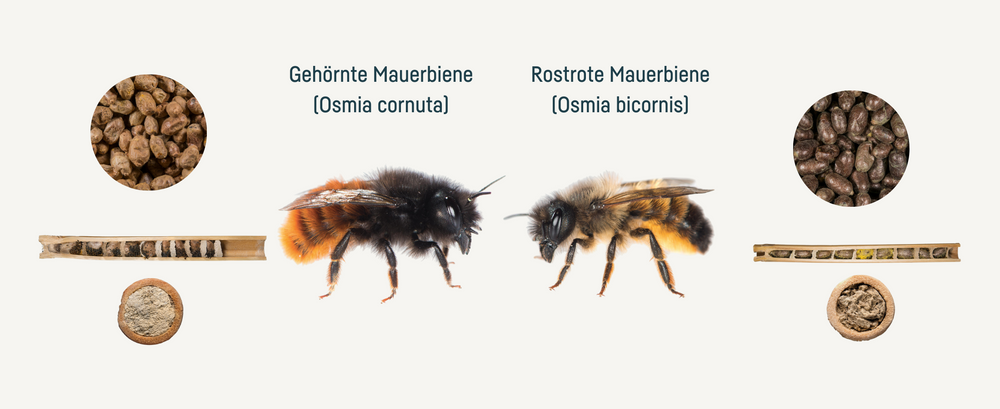
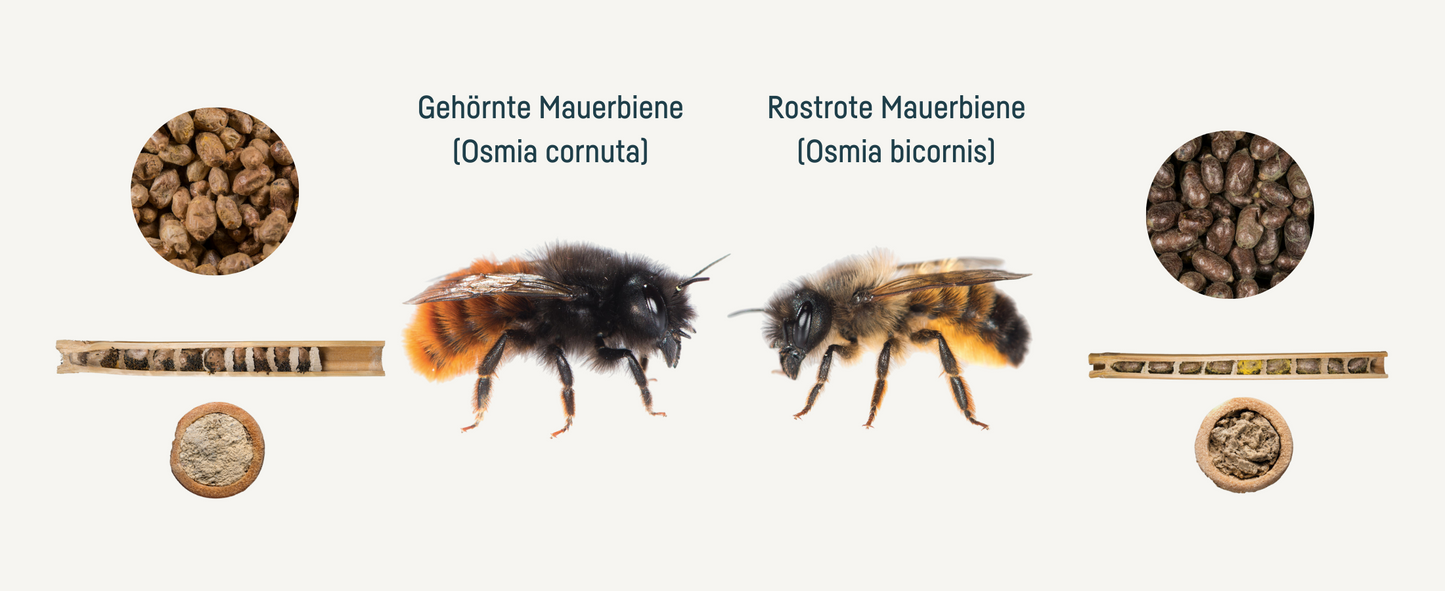
Difference Between European Orchard Bees and Red Mason Bees
The European orchard bee (Osmia cornuta) is the somewhat more robust and fluffier species. It is active a few weeks before the Red Mason Bee in spring. Both species are very similar in their pollen-collecting behavior, with the Red Mason Bee having a slightly broader diet and the European Orchard Bee showing an even stronger preference for fruit blossoms.
When it comes to nest building, the species can be easily distinguished by their nest caps: The nest caps of the European Orchard Bee are characterized by a very fine and even texture, whereas the Red Mason Bee works a bit more coarsely and its caps have an irregular surface.
On this page, we introduce the Red Mason Bee.