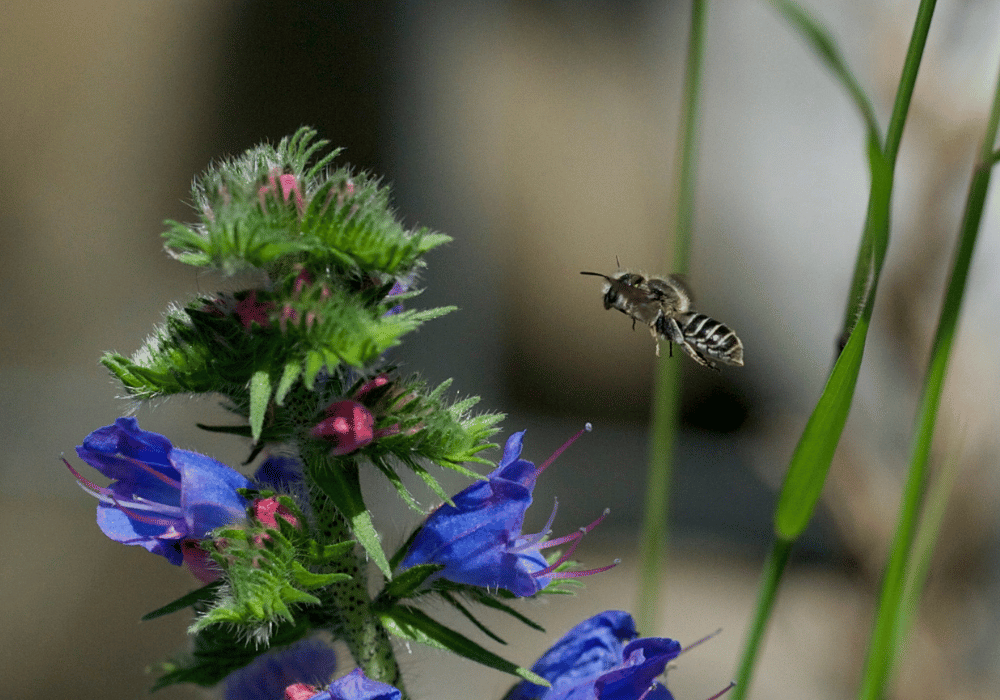
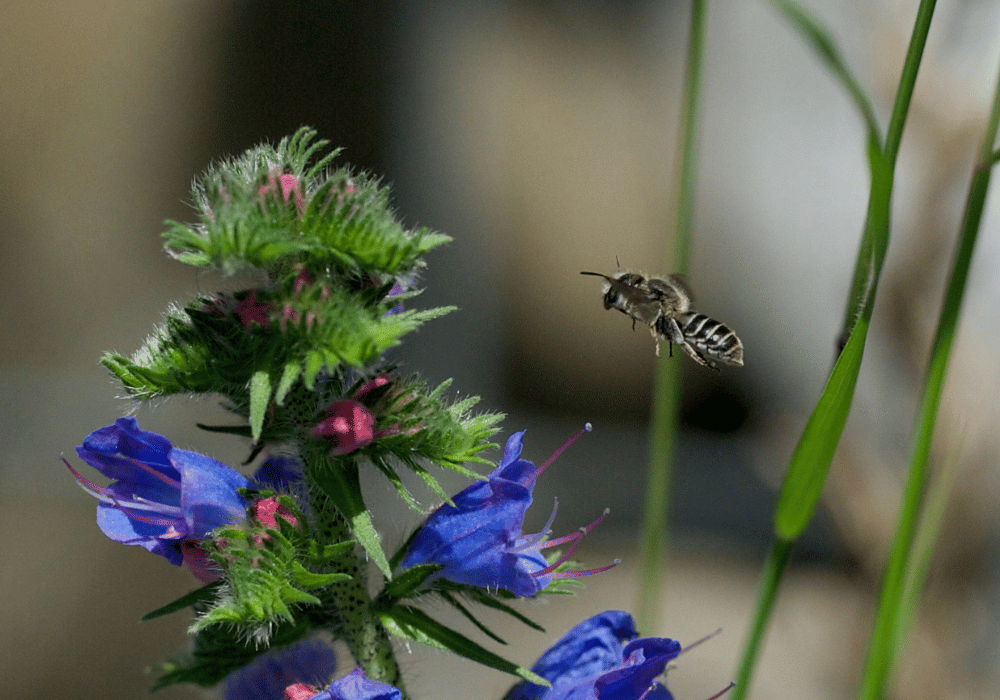
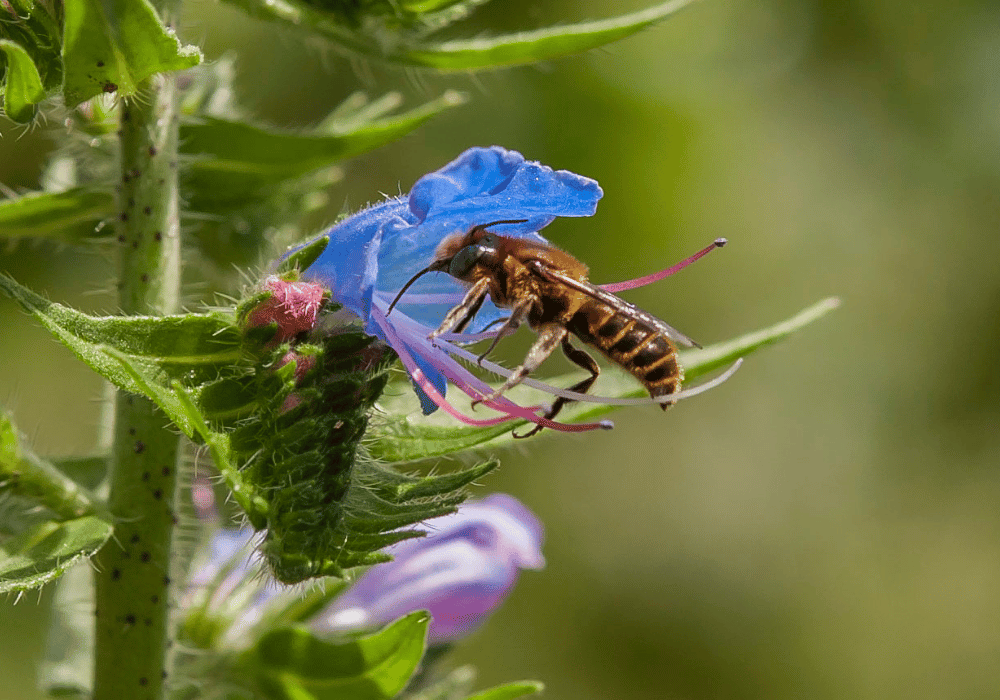
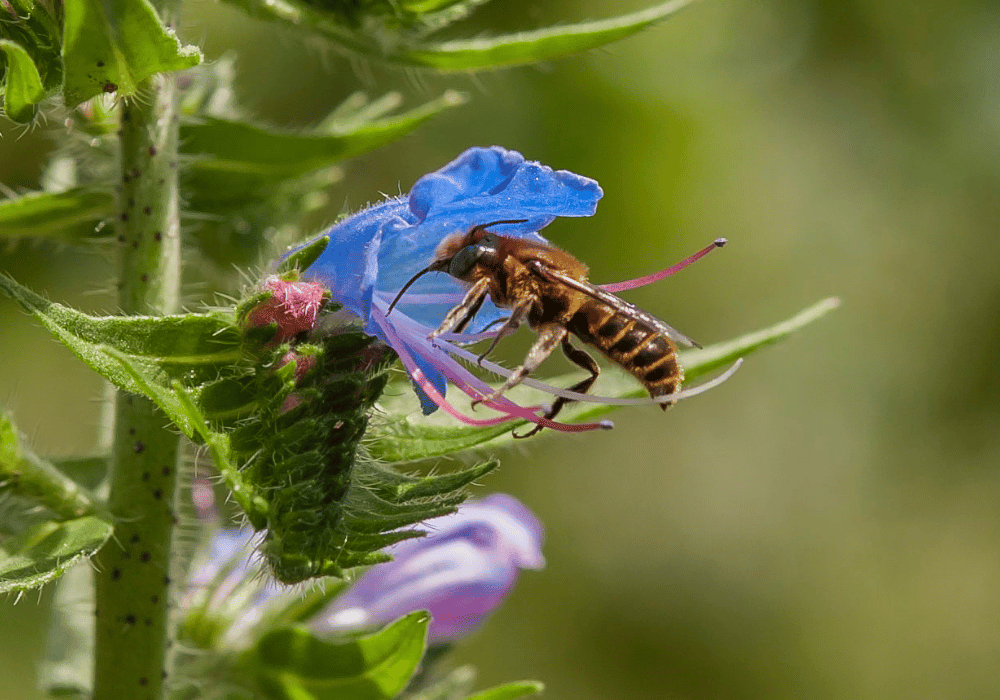
Those who wish to observe viper's-bugloss mason bees should ensure a sufficient supply of viper's-bugloss. On warm days, the viper's-bugloss mason bee moves very quickly, collecting pollen and nectar at a rapid pace. To conserve energy and warmth, it often settles on sun-warmed stones between foraging flights.
What do viper's-bugloss mason bees look like?
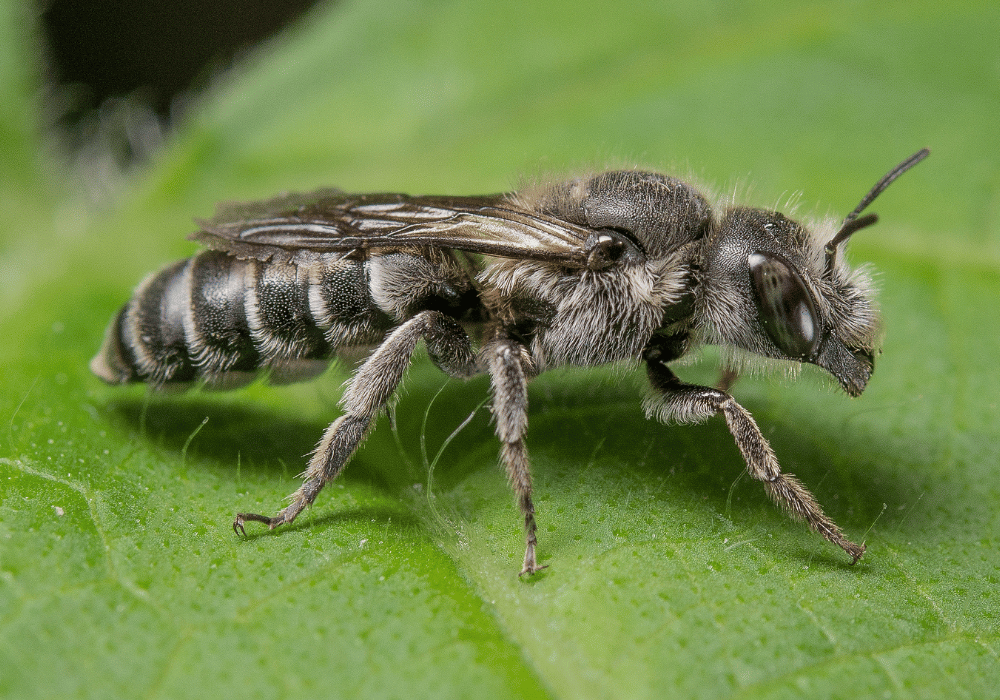
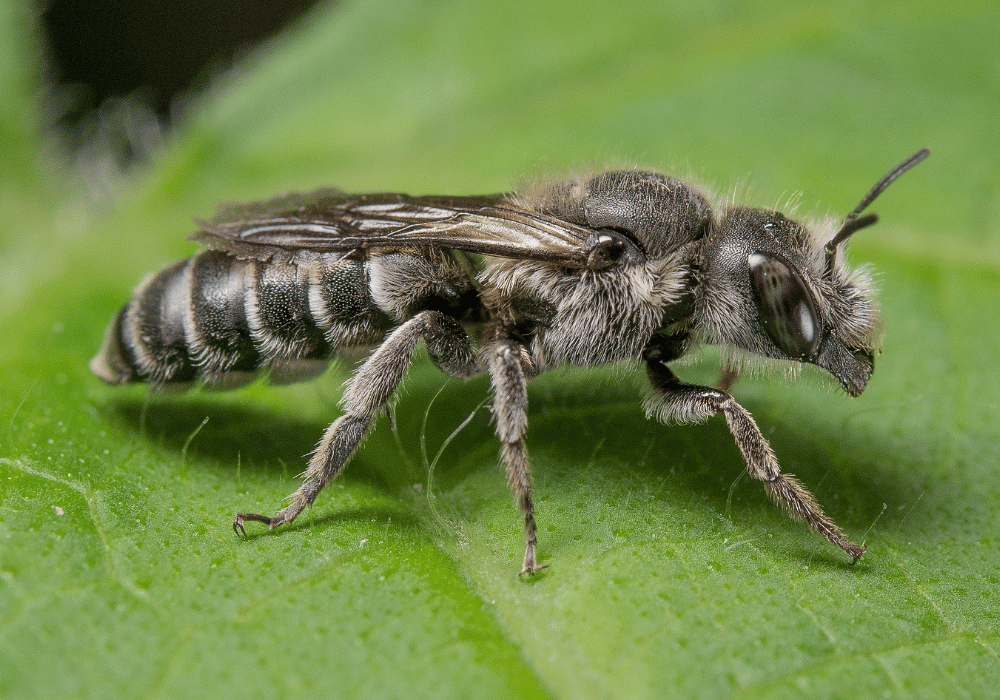
The viper's-bugloss mason bee is 8–12 mm in size. The females are entirely black and sparsely hairy, but they have white hair bands on their abdomen. The males have brownish hair and thus differ greatly from the females.
Flight time
June to August. One generation per year
Food preferences
This species collects pollen exclusively from viper's-bugloss flowers. This specialization in the pollen of only one plant species is called monolepsis.
Flight time
June to August. One generation per year
Food preferences
This species collects pollen exclusively from viper's-bugloss flowers. This specialization in the pollen of only one plant species is called monolepsis.
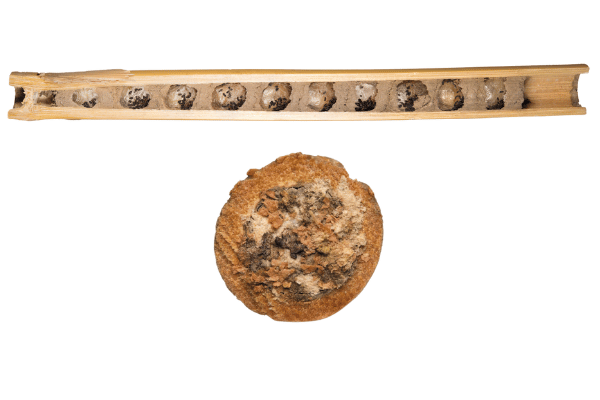
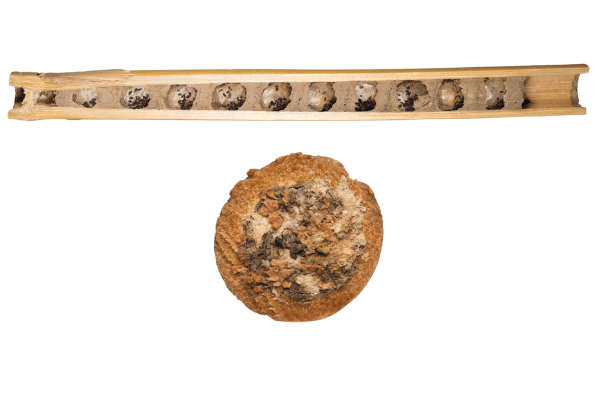
How do Echium mason bees nest?
The Echium mason bee uses loamy soil for the partitions of its brood cells and for sealing the nest. Additionally, it camouflages the nest seal with various materials, such as wood fibers.
Wild Bees in Switzerland: Viper's Bugloss Mason Bee