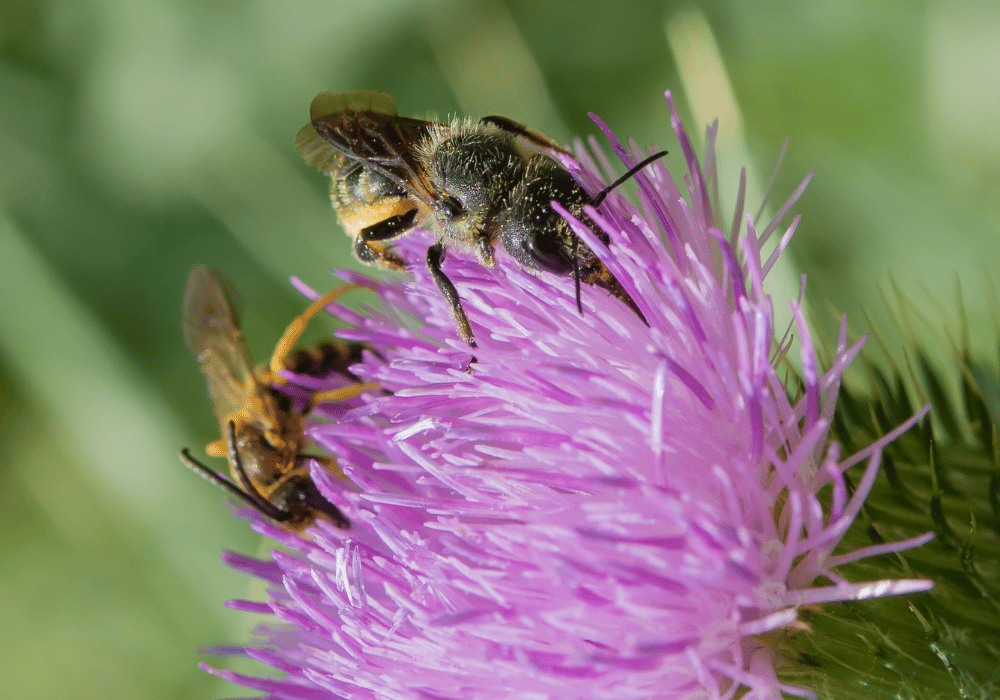
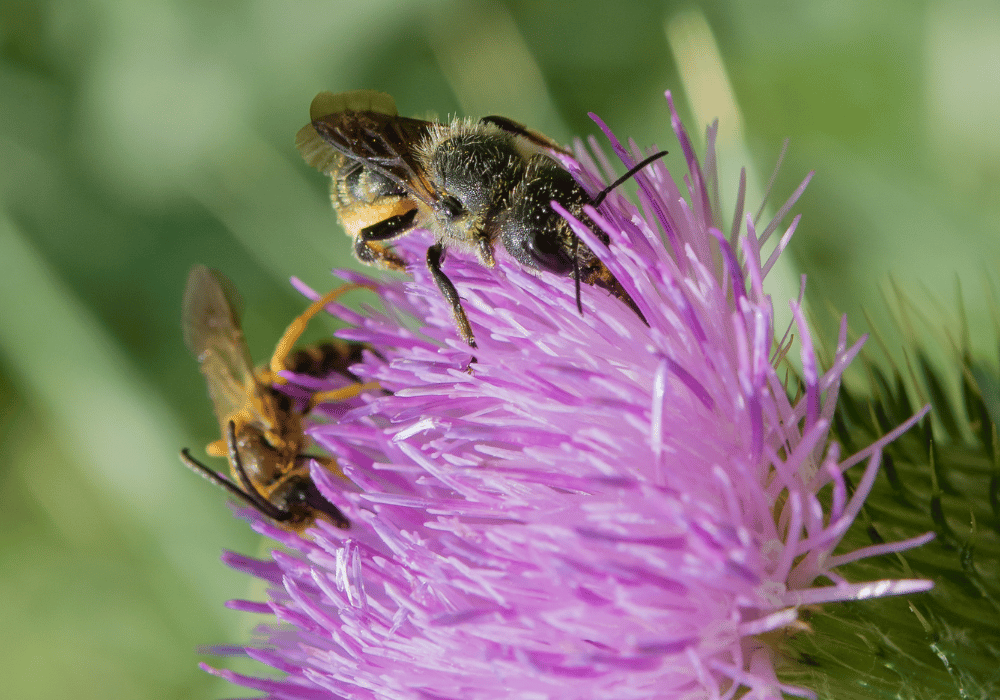
The thistle mason bee used to be very common in Switzerland. However, due to the ongoing eradication campaigns – both in agricultural areas and settlements – against its main food plant, the species has now become rare.
What do thistle mason bees look like?
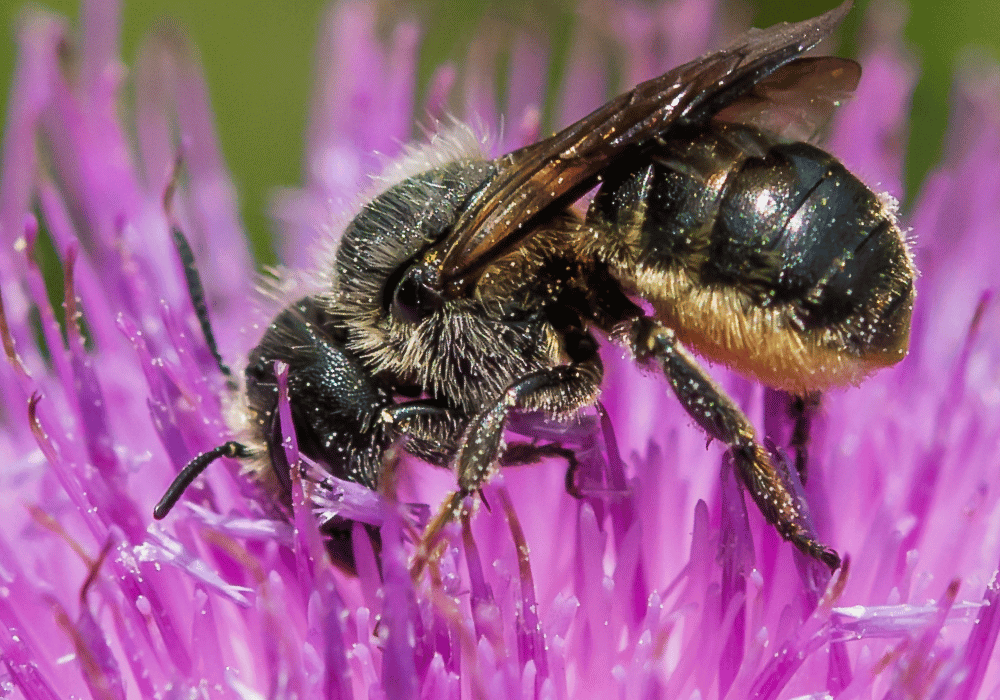
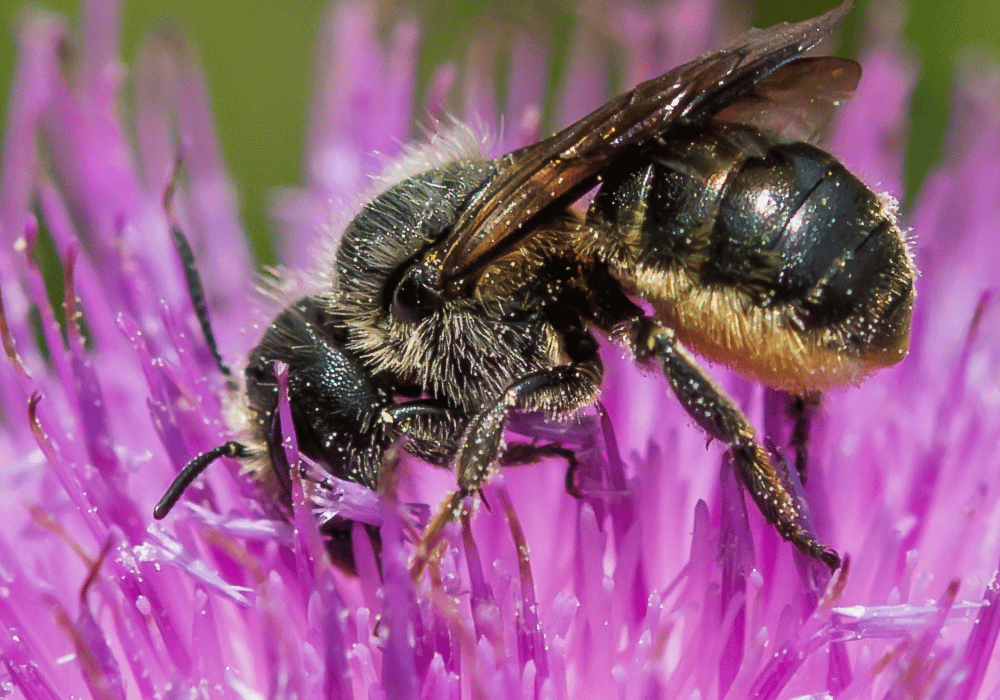
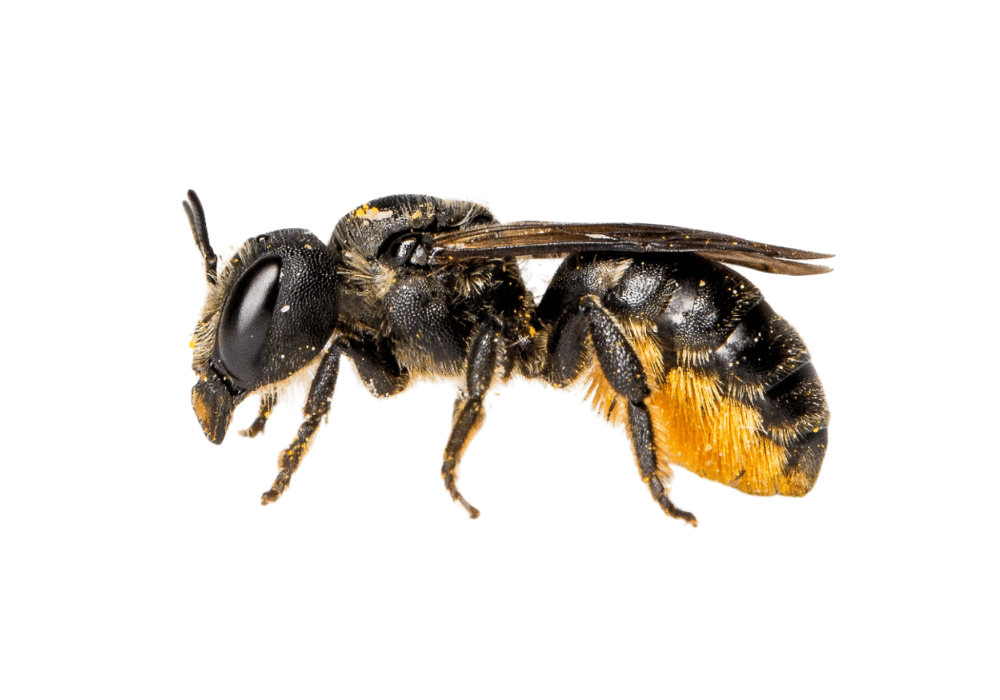
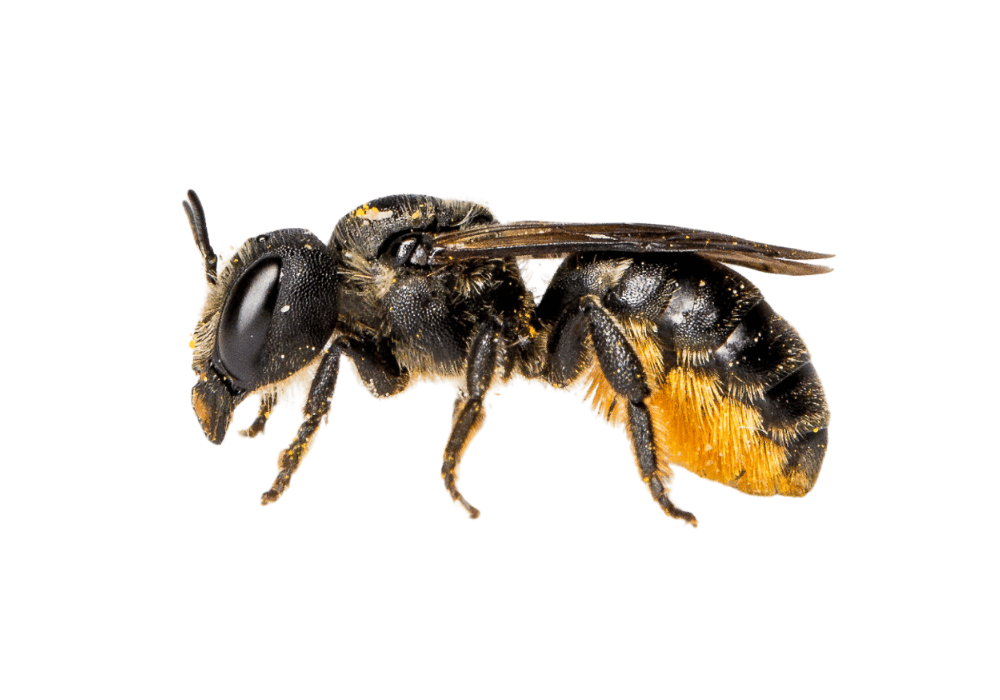
This wild bee species is 8–10 mm in size. The females are black with a slight, blue-metallic sheen. They also have a bright orange-red scopa. The males resemble the females, but their hair is more reddish.
Flight time
May to September. One generation per year.
Food Preferences
The thistle mason bee specializes in composites and prefers various thistle species such as creeping, cotton, and milk thistles. However, it also does not disdain ox-eye daisies and dyer's chamomiles.
Flight time
May to September. One generation per year.
Food Preferences
The thistle mason bee specializes in composites and prefers various thistle species such as creeping, cotton, and milk thistles. However, it also does not disdain ox-eye daisies and dyer's chamomiles.
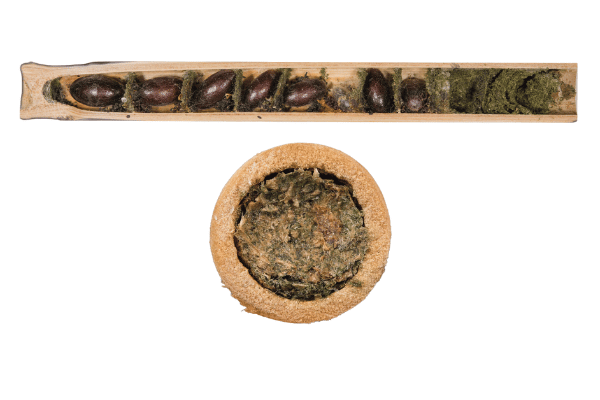
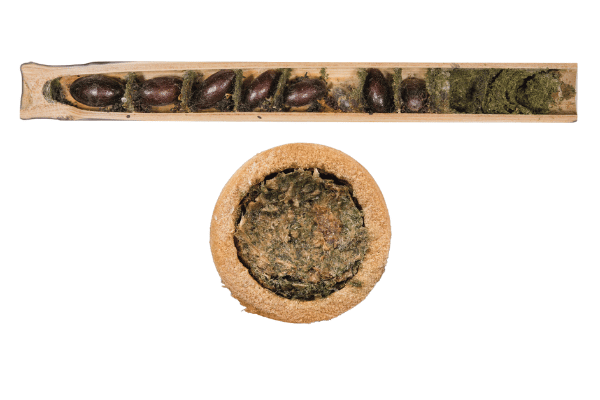
How do thistle mason bees nest?
This species uses chewed leaf material for cell partitions and nest closures. The nest closure consists of closely spaced walls of varying thickness.
Wild bees in Switzerland: The thistle mason bee