

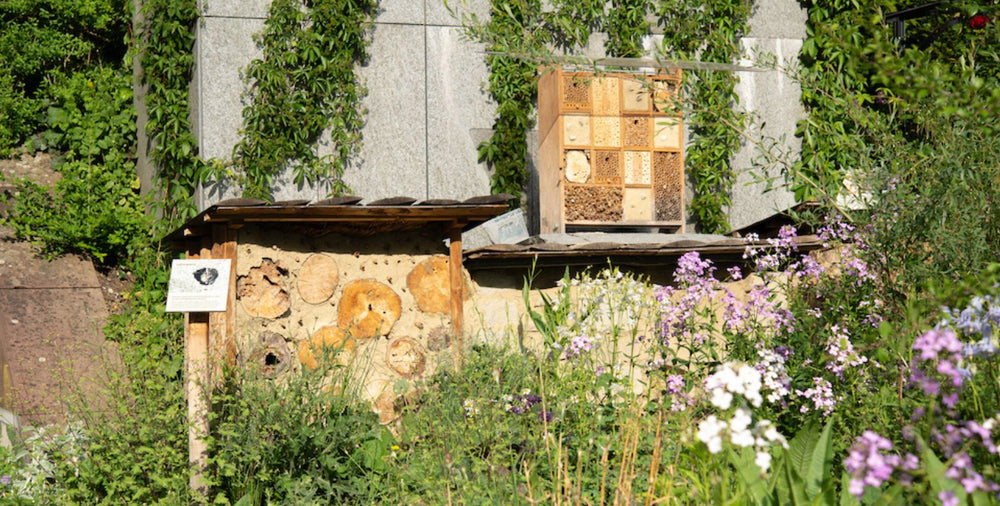
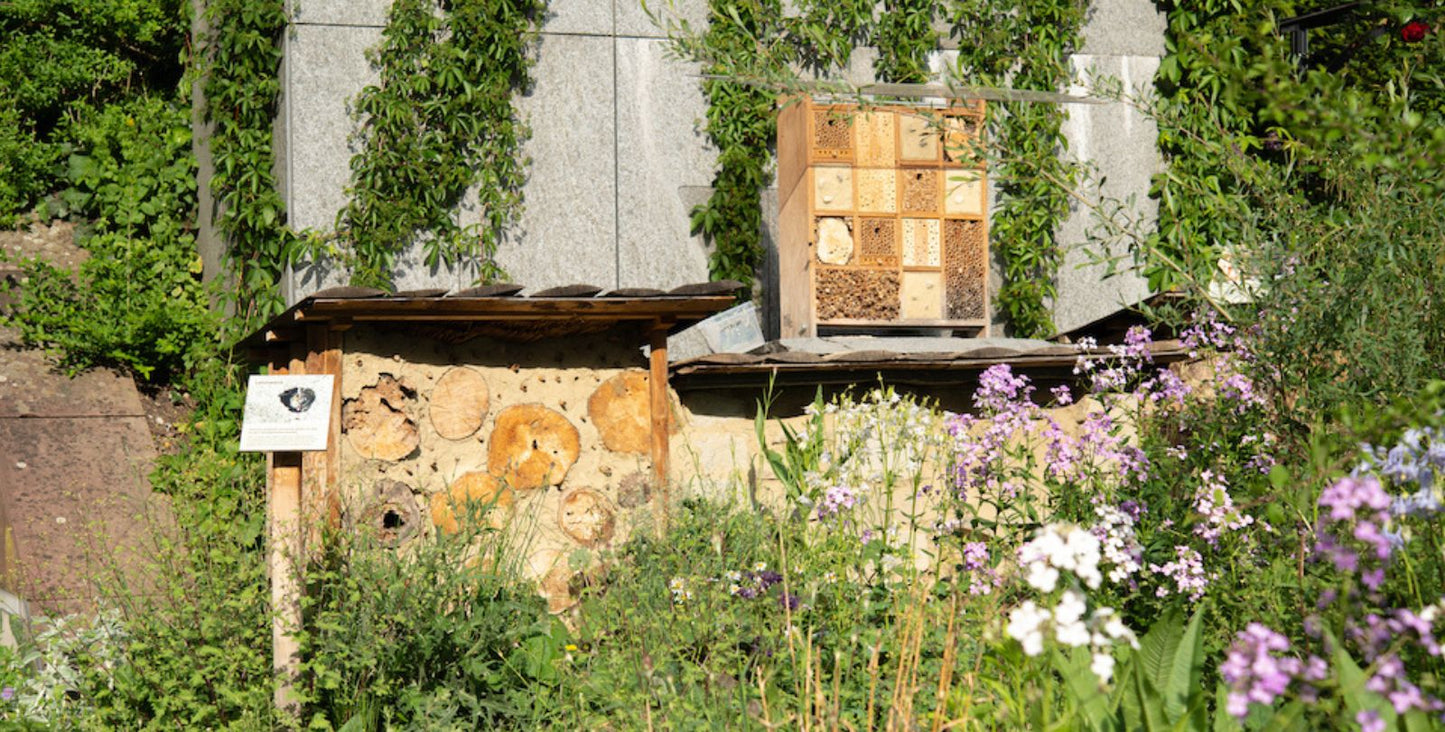
Habitat
Why is habitat shrinking?
Wild bees depend on diverse and structurally rich habitats. A wide variety of native wildflowers provides the nutritional basis for wild bees. However, the intensification of agriculture and progressive urban sprawl are putting these habitats under severe pressure.


"Poisons, over-fertilized meadows, cleared landscapes, and our urge to keep nature 'in order' at all costs, are, alongside climate change, the greatest threats to our wild bees."
Green deserts are useless for wild bees
In agricultural areas, pesticides, on the one hand, threaten wild bees. Highly toxic insecticides such as neonicotinoids can kill wild bees even in the smallest doses. However, herbicides can be just as harmful. These destroy all "weeds" that should serve as a food source for local wild bee populations.
Another often overlooked problem is the increasingly intensively fertilized and frequently mown meadows. These are becoming more and more dominated by a few grass species, as these grasses benefit most from the excessive nutrient supply and displace flowering plants such as dandelions, wild chervil, buttercups, and daisies. The result is green, monotonous deserts that are useless for wild bees and many other insects.
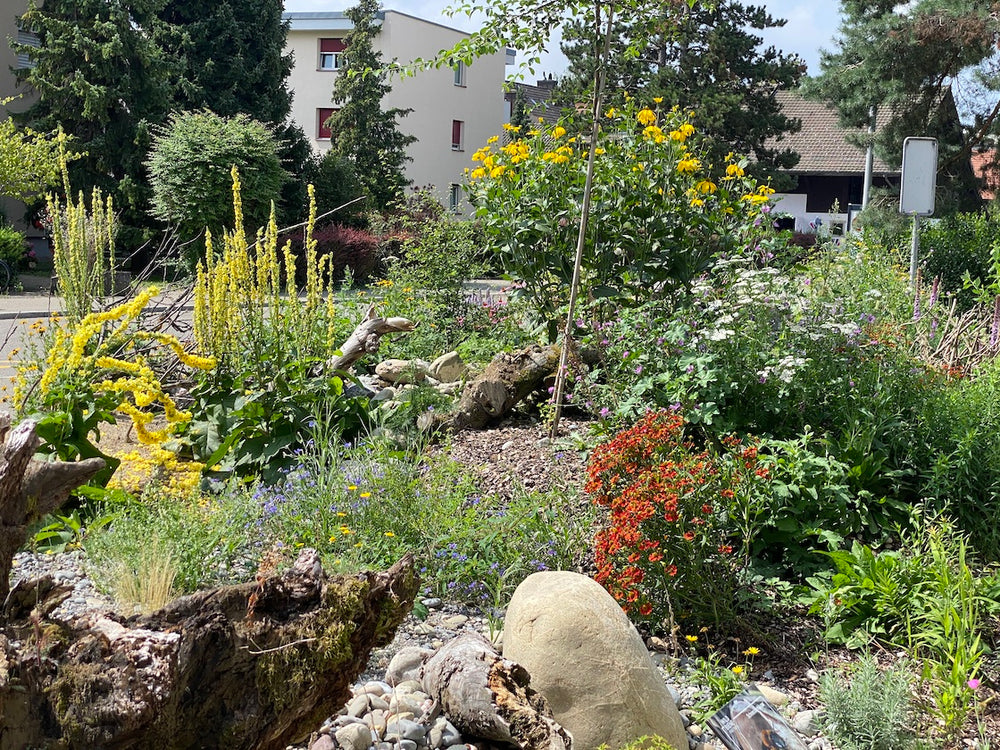
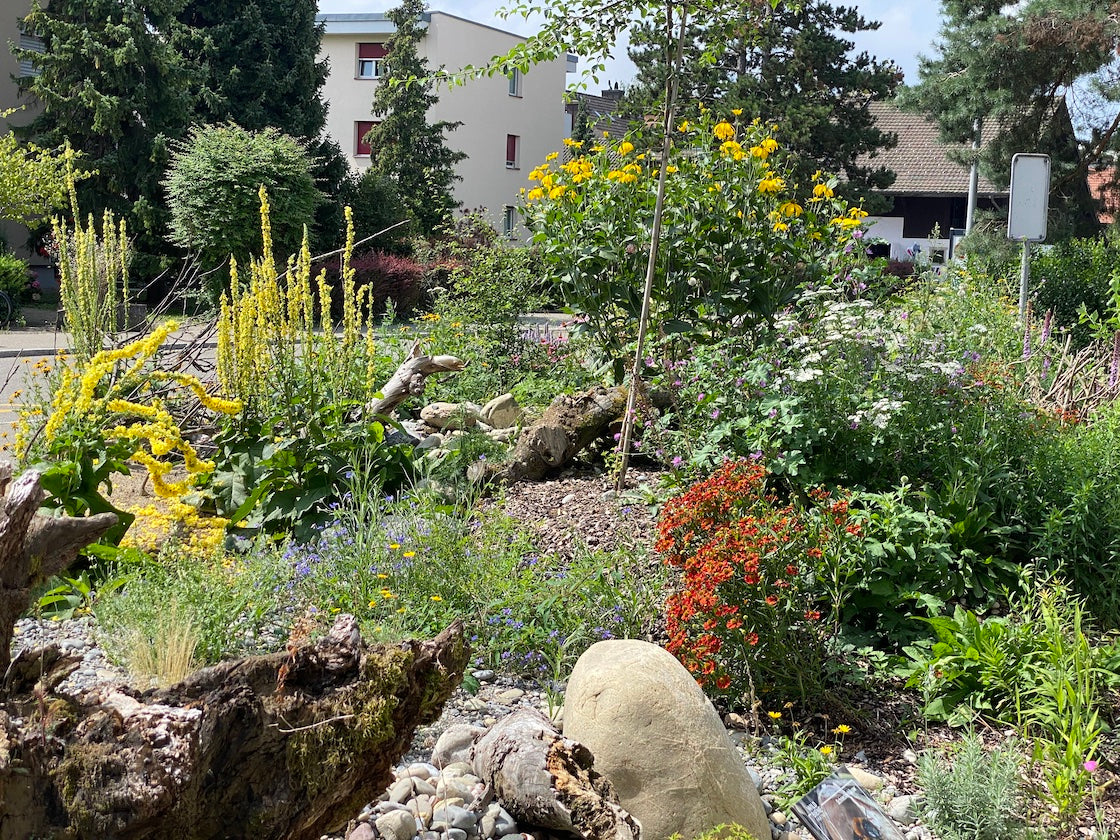
Less living space in residential areas
Even in settled areas, where many wild bee species have been able to find refuge, they are coming under pressure. Garden owners often also spray various poisons, weed and mill away "weeds", and plant exotic plants such as hydrangeas, forsythias, and geraniums. However, their flowers are worthless to wild bees. Important microhabitats such as deadwood, open soil patches, and dry plant stalks are perceived as ugly and untidy and are rigorously combated.


