

From today on, it's back to: Woolly hat instead of sunglasses! Winter returns with icy temperatures, making life difficult for many animals and plants, including butterflies like the widespread Small Tortoiseshell. The first specimens, which were already out as harbingers of spring, can now be caught off guard by the cold. After sleeping through the winter months in frost-free hiding places, they were awakened by the mild temperatures and the first warm rays of sun. But now, these colorful butterflies and other early flyers are at risk of freezing to death.
Not every animal has "built-in" antifreeze.
Other insects, such as most of the already active wild bees, are (almost) unaffected by even late frosts. The reason: they have their own "antifreeze" in their bodies, which lowers their body's freezing point and allows them to enter a winter dormancy – even if they have already hatched from their nests and flown out.
Nevertheless: if temperatures "yo-yo" and wild bees have to repeatedly switch between activity and cold torpor, it eventually takes a toll on their strength.
To help the little buzzers refuel, Yannick Schauwecker recommends planting the garden or balcony with a wide range of (preferably robust) early bloomers. The insects will simply pounce on this all-you-can-eat buffet after surviving the cold shock. You can find suitable plants for this here.
Birds, on the other hand, react very differently to the late cold snap. Some travel-averse migratory birds like cranes may now finally set off for warmer southern climes. Those who have only intensely courted so far – but without success – will instead go on a difficult search for food again during a sudden cold snap and onset of winter.
However, the late cold particularly affects early breeding pairs. Because if the offspring are already there, a sudden onset of winter with snow and frozen waters can quickly be fatal for the vulnerable young birds!
Therefore: when there is a continuous snow cover and persistent frost, bird food on the balcony and in the garden is an important help.
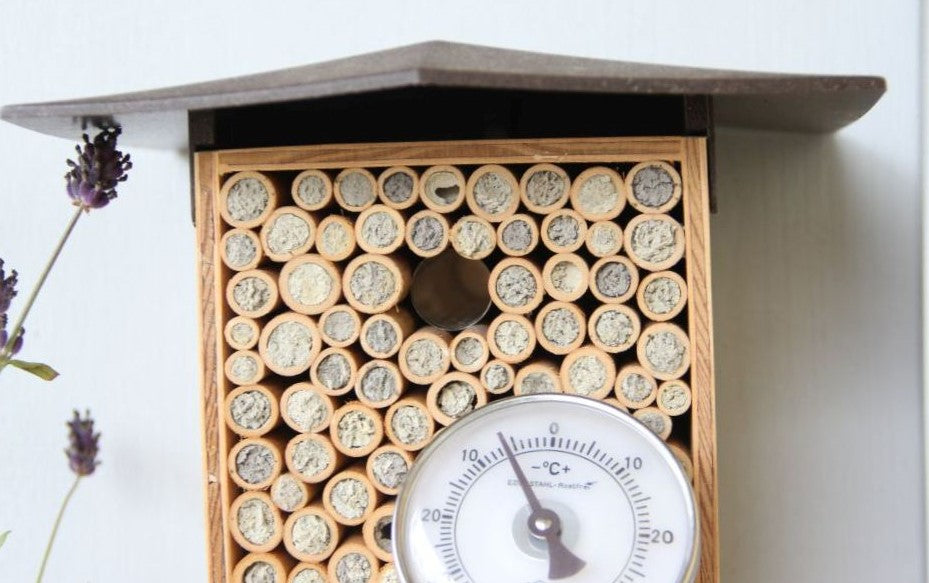
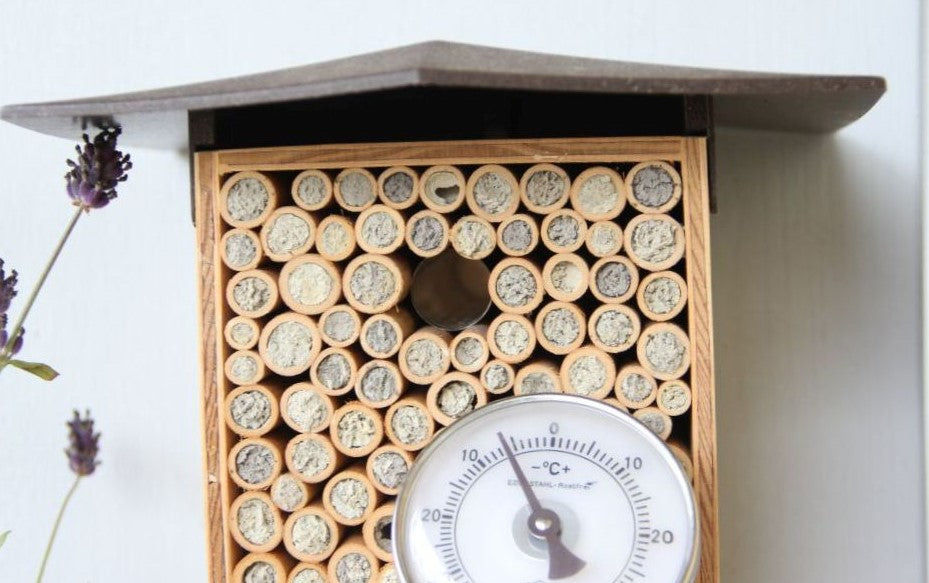
“Many wild bee enthusiasts are now concerned about their protégés in the nesting aids. But we can reassure them: Wild bees are very robust and can easily survive periods of frost,” says Yannick Schauwecker, our wild bee expert.
Layer of leaves protects garden plants from frost
And what about the plants in the garden? They'll appreciate an insulating layer of leaves. Garden and plant expert Yannick Schauwecker therefore recommends:
"If you simply leave the fallen leaves under bushes and on beds in autumn, you'll protect your plants from frost. However, cold-sensitive potted plants like basil should still ideally be moved to a frost-free location or protected with a plant cover." If you don't have one readily available, you can also just use a jute sack or fleece and place it over the plants.
For fruit farmers, frost during flowering season is an absolute nightmare. This is because frozen blossoms can no longer produce fruit. While the tree itself won't be harmed, the fruit farmer may suffer from crop losses. And these should definitely be prevented this year in particular.
The question remains: How common are late cold snaps anyway?
The last heavy April winter snap with up to half a meter of snow in the lowlands in our neighboring country Germany was six years ago.
However, in the early 1980s, for example, there were also two consecutive years with snow around (and even after) Easter: In Munich, there was a 13-centimeter-thick blanket of snow on April 25, 1980 – though without an extensive warm period preceding it. Almost exactly one year later, flakes even fell on the North Sea so late in the year. Three centimeters of snow lay in St. Peter-Ording on April 23, 1981.
Some weather experts say that one can expect a late onset of winter approximately every ten years. The good news for humans and animals is that after the late shivers, the warm spring sun finally arrives!
More wild bee news
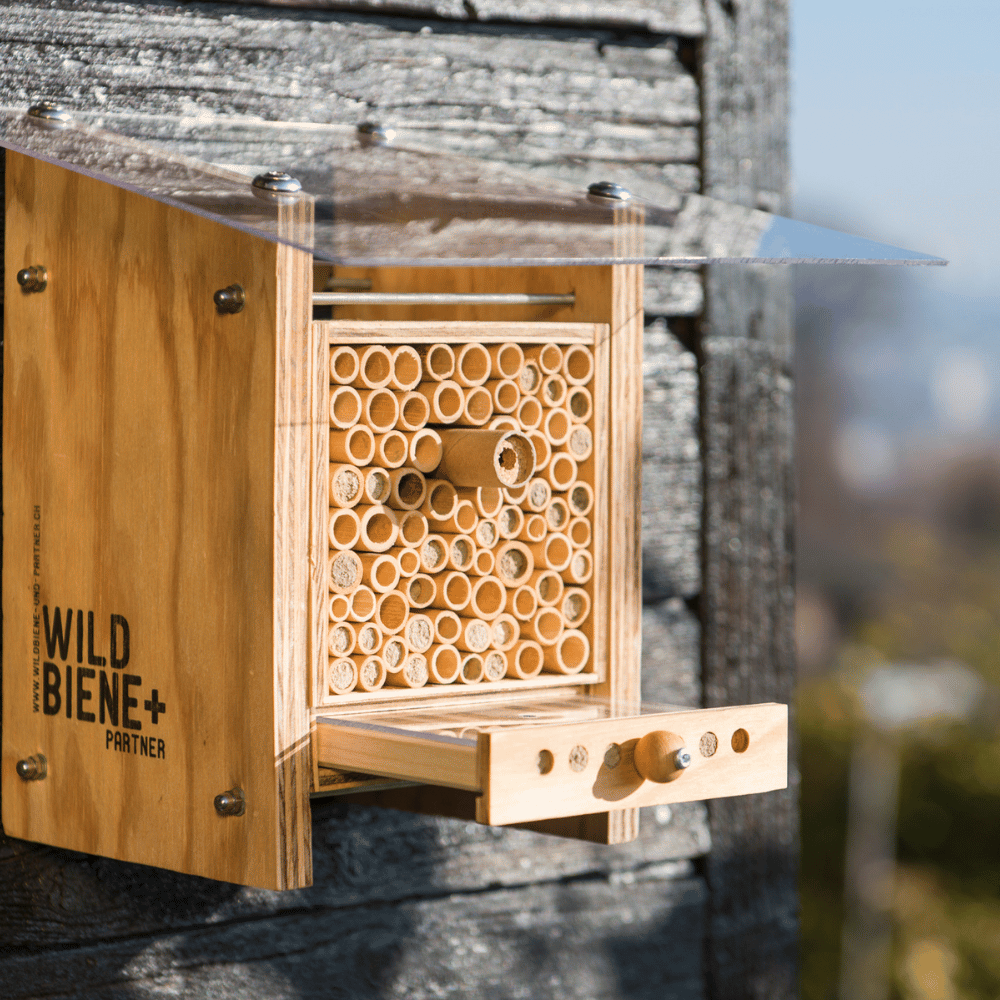
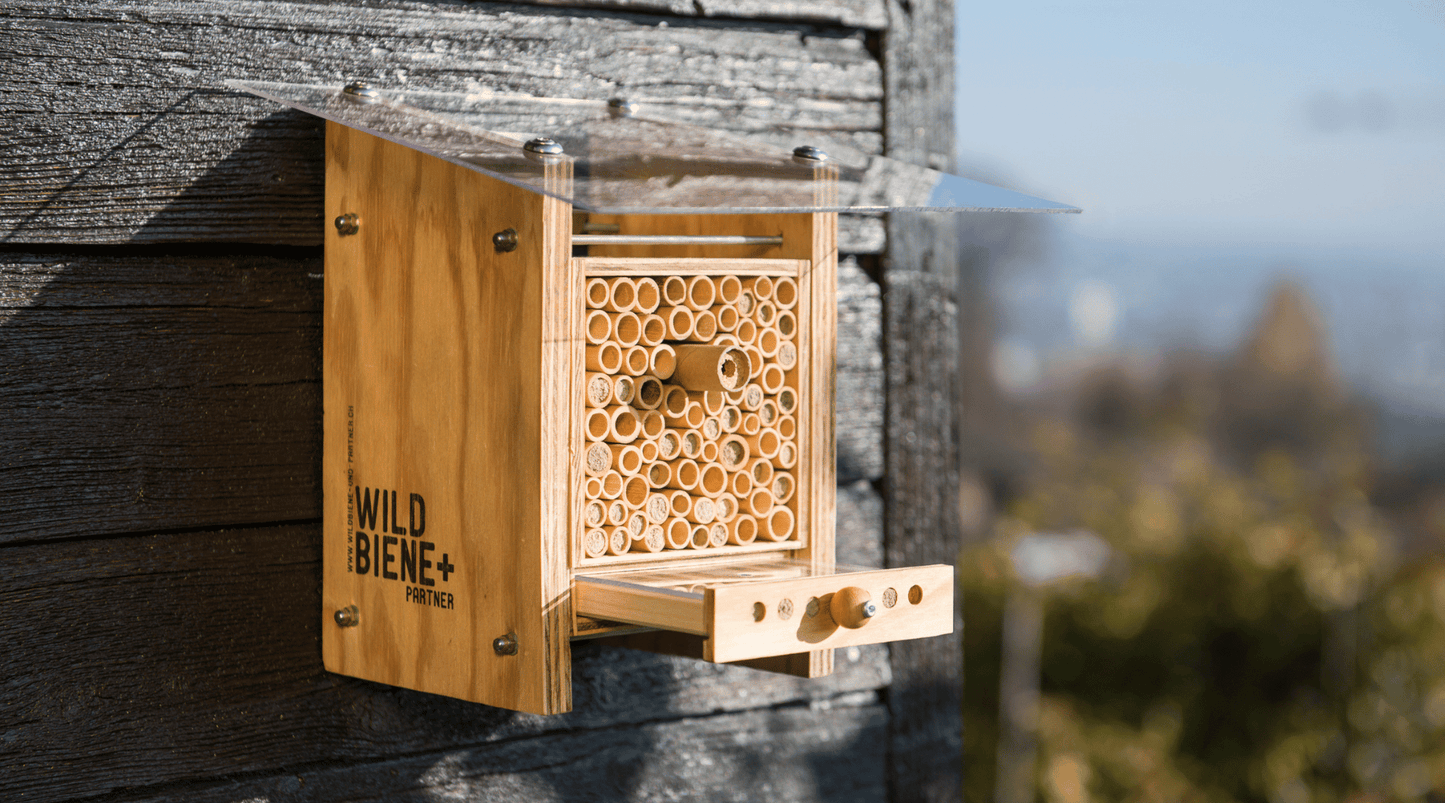
Buying a Bee Hotel - Keep These 5 Points in Mind
Wild bees have special requirements for nesting aids. We present the 5 most important points that you should consider before purchasing or building a wild bee nesting aid.
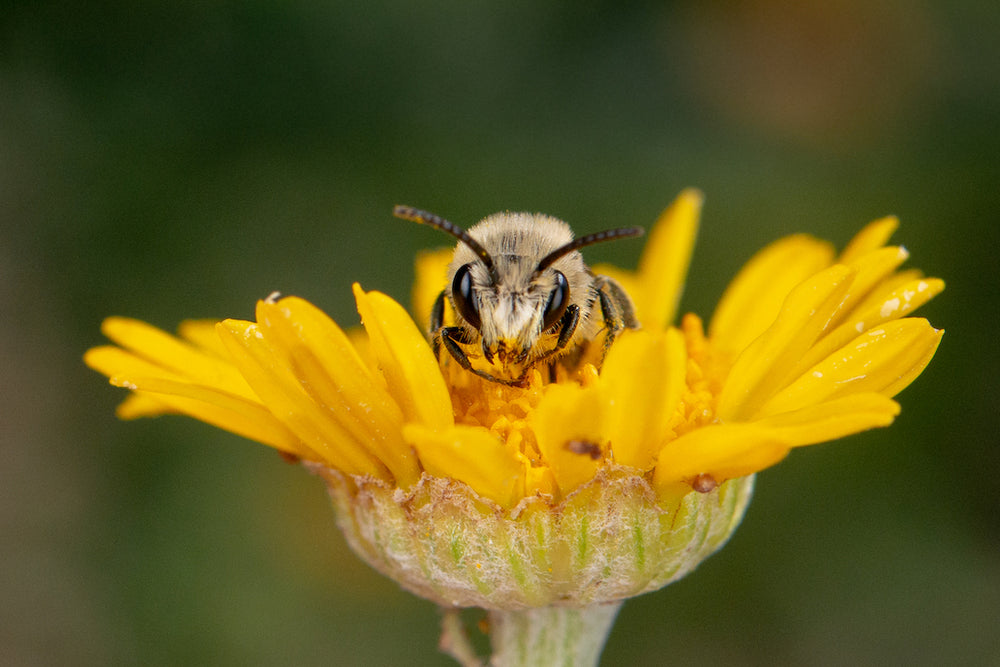
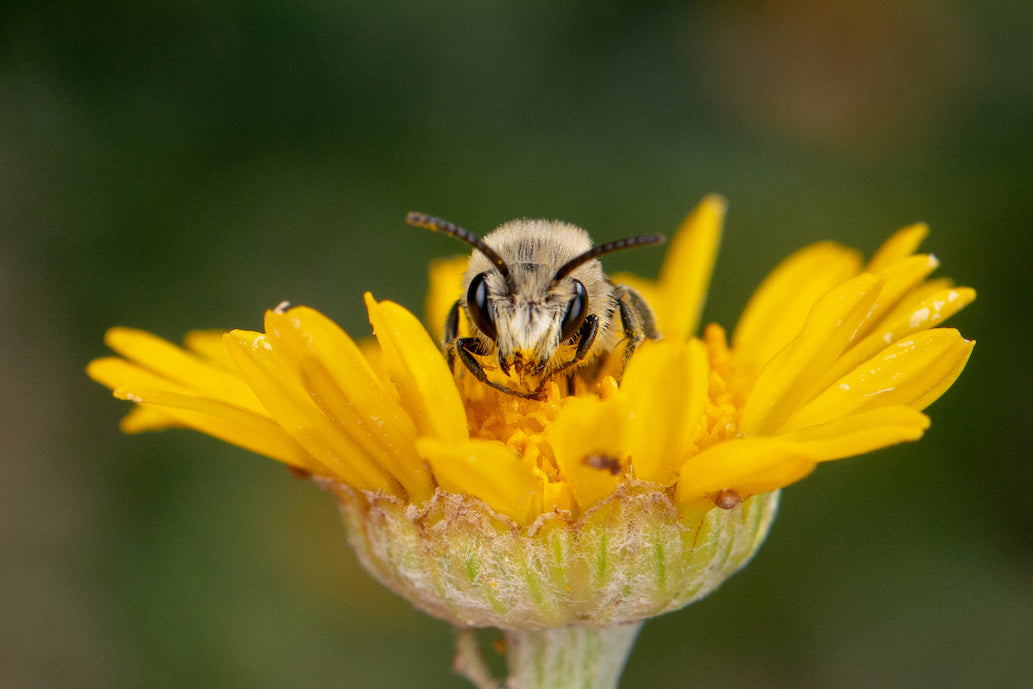
The Wonder of Pollination and the Crucial Role of Wild Bees
Pollination mechanisms are essential for plant reproduction and thus a guarantee for securing our food supply. For insects like wild bees, this is a trade-off. Plants attract with showy flowers and offer nectar and pollen as food. In return, insects act as pollen carriers: while collecting nectar, pollen adheres to their bodies and is thus transported to the next flower.
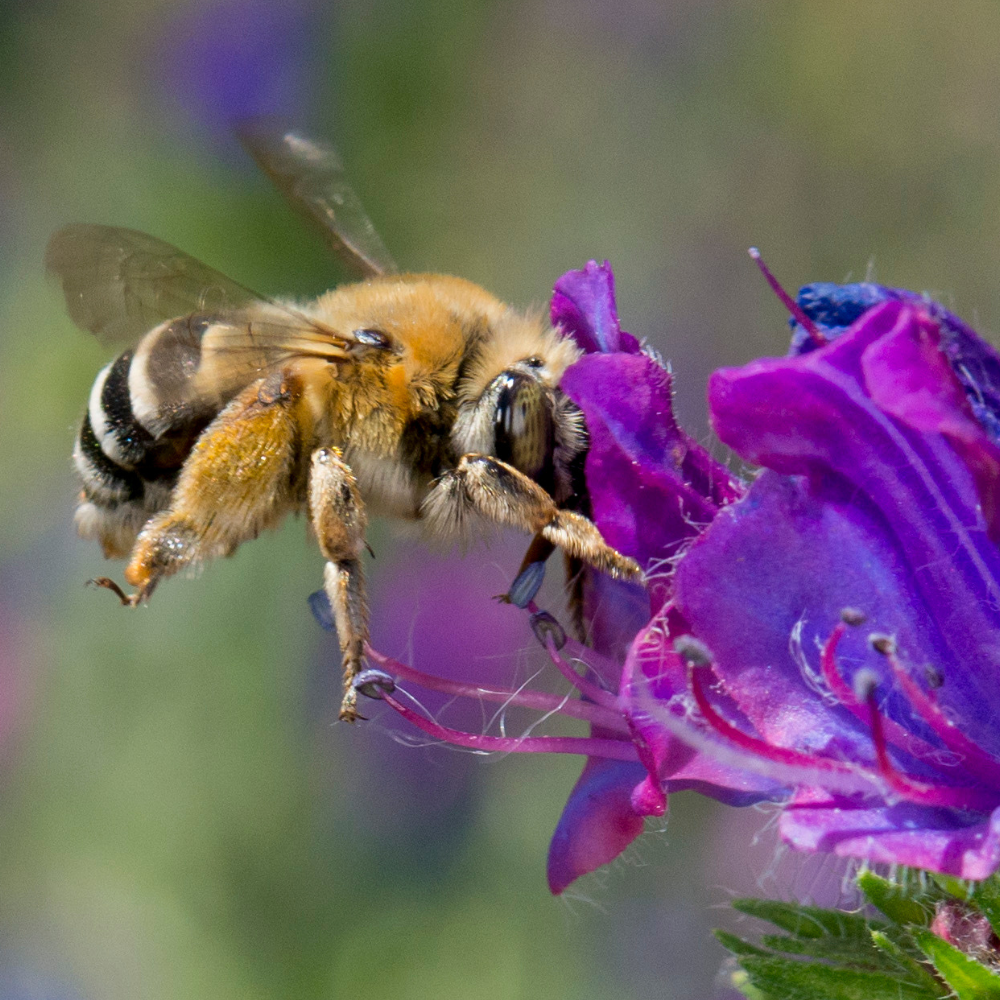
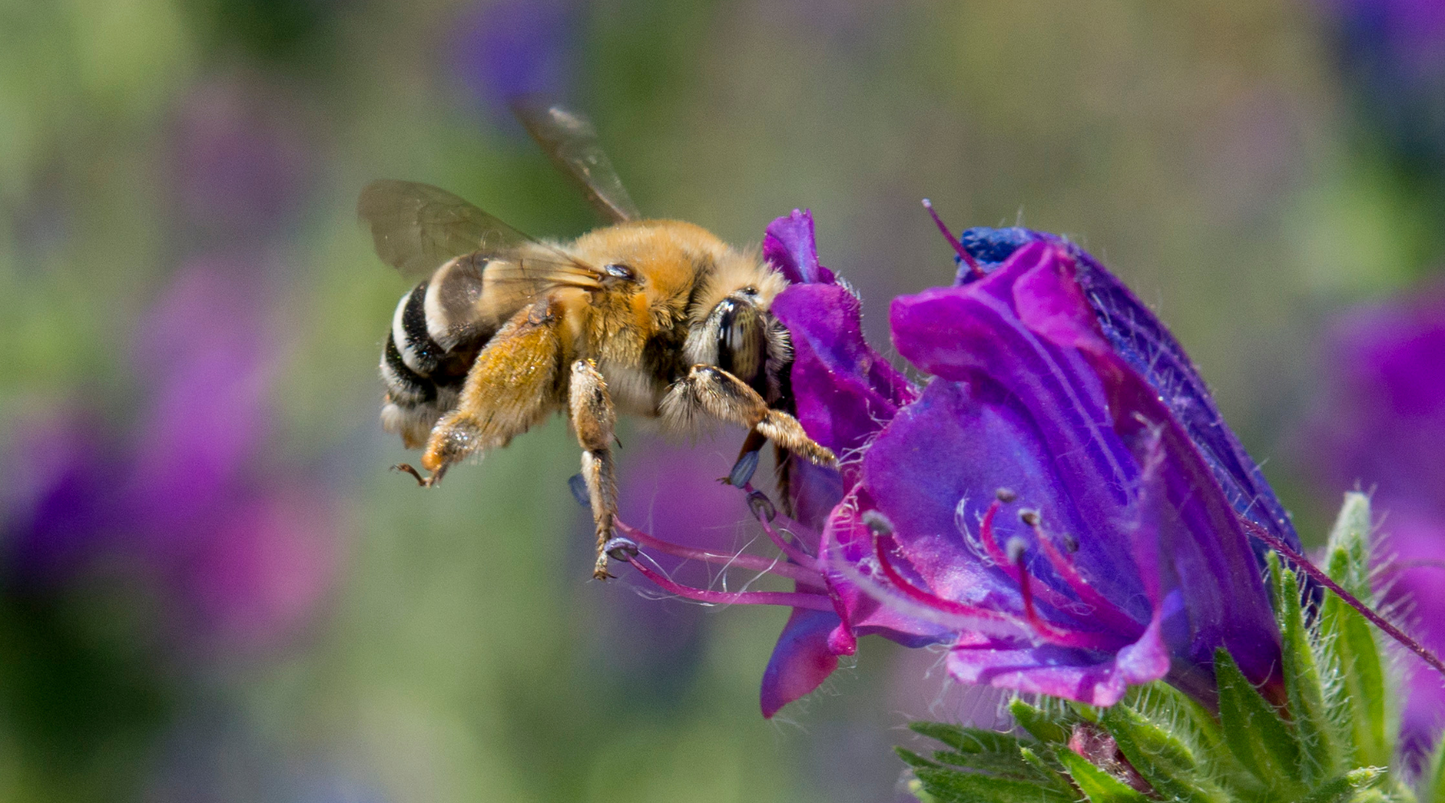
This is how you can help combat bee mortality
Wild bees play an important role in our nature, as they are crucial pollinators for plant reproduction and the production of fruits and vegetables. Unfortunately, their numbers are declining in many parts of the world, a phenomenon known as "wild bee decline" or "wild bee extinction."
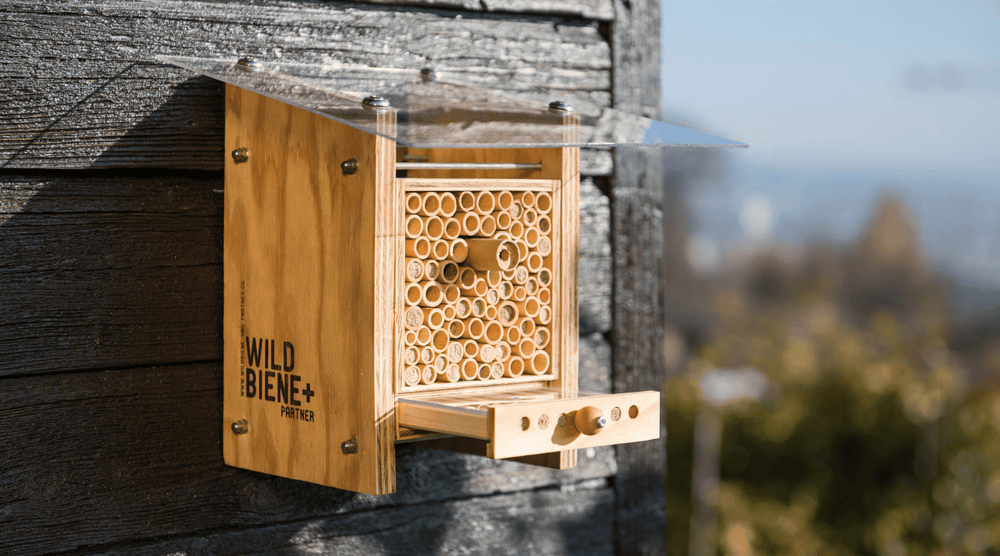
Buying a Bee Hotel - Keep These 5 Points in Mind
Wild bees have special requirements for nesting aids. We present the 5 most important points that you should consider before...
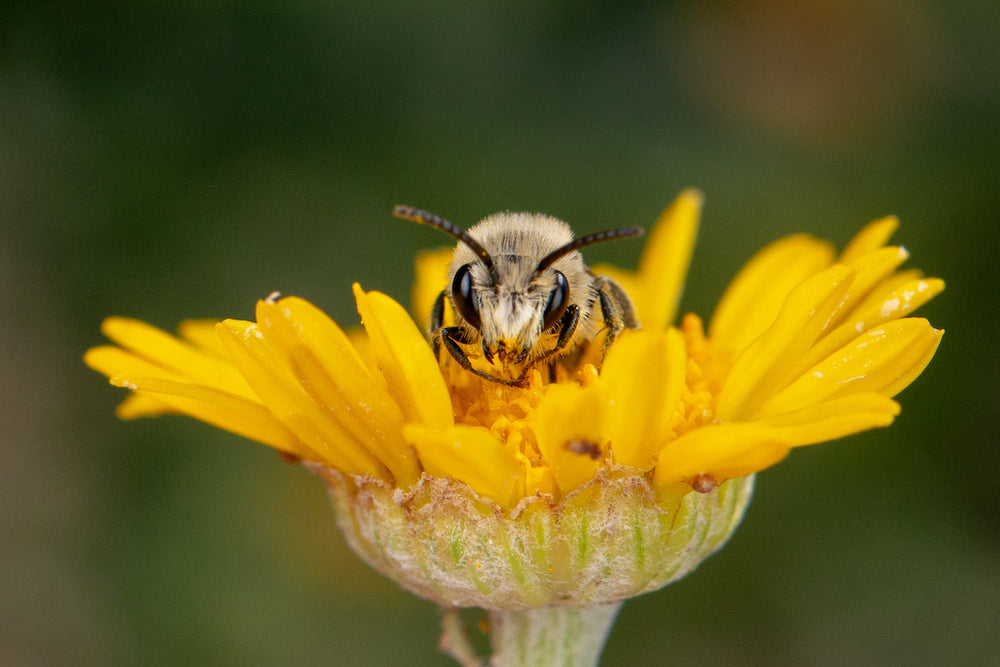
The Wonder of Pollination and the Crucial Role of Wild Bees
Pollination mechanisms are essential for plant reproduction and thus a guarantee for securing our food supply. For insects like wild...
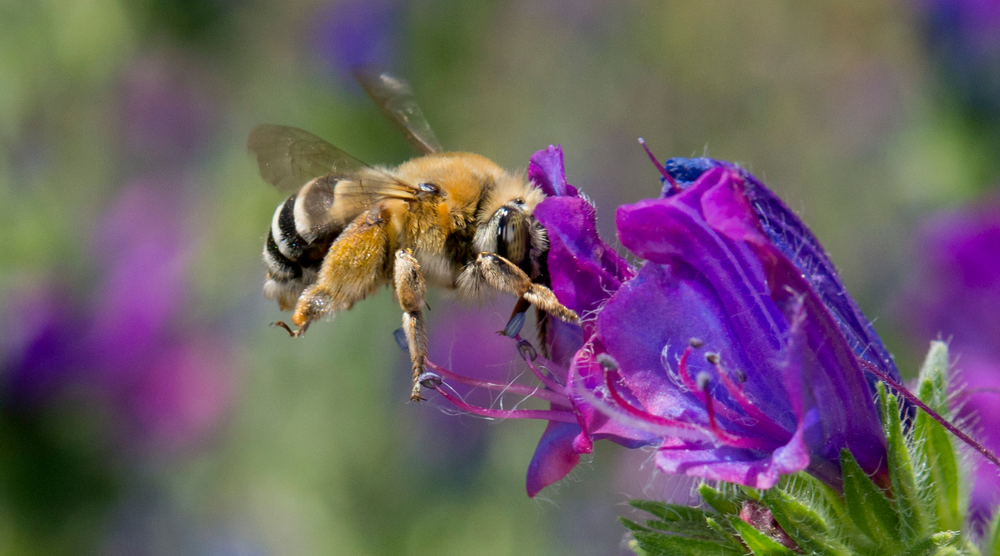
This is how you can help combat bee mortality
Wild bees play an important role in our natural world, as they are crucial pollinators for plant reproduction and the production of fruits and vegetables. Unfortunately, their numbers are declining in many parts of the world, a phenomenon known as "wild bee mortality."